

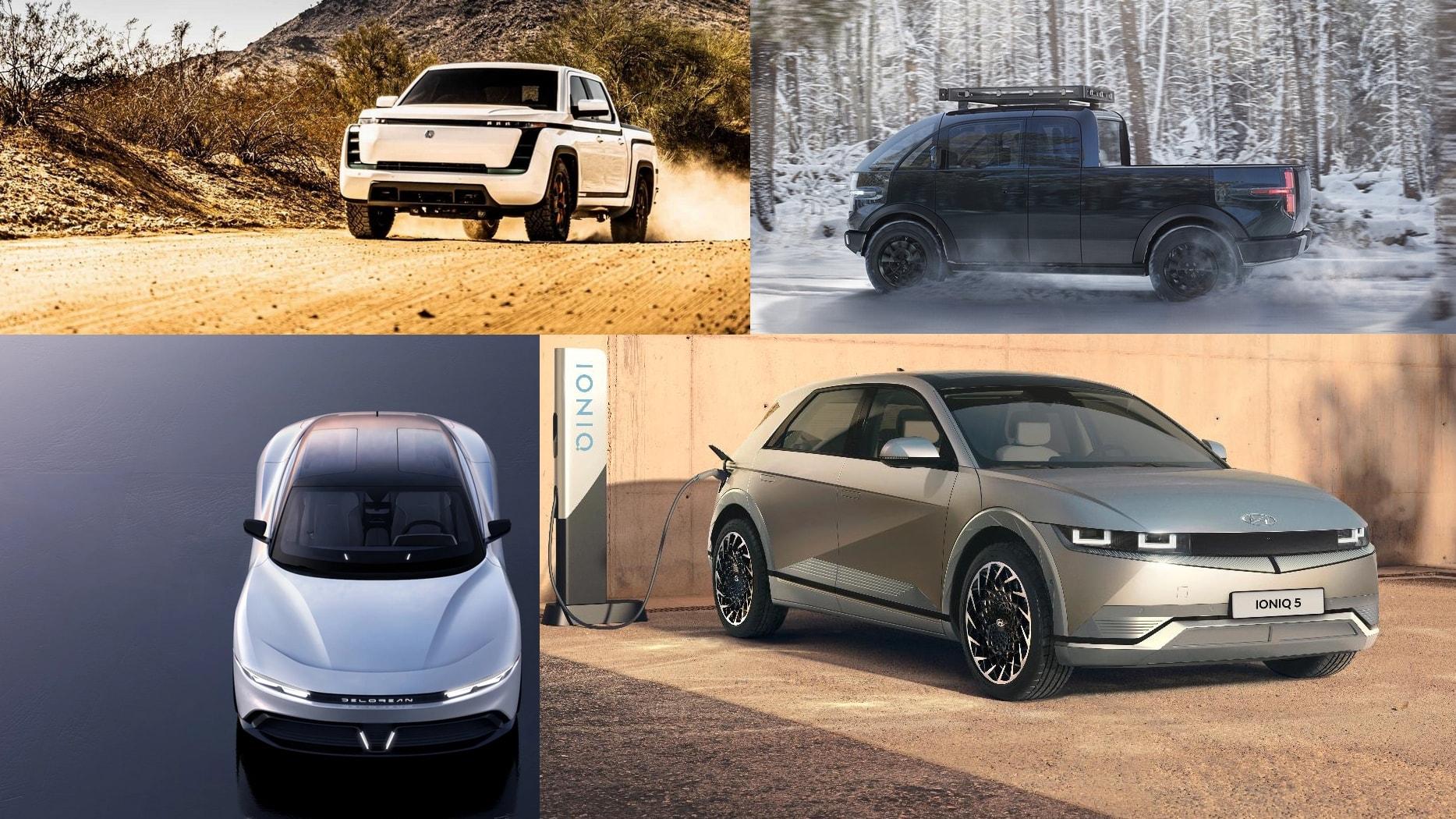
Despite escalating tariffs and intensifying trade barriers, Asia’s legacy automakers continue to prioritize the American market, underscoring the enduring importance of the United States as a strategic hub for their global operations. This steadfast commitment highlights not only the resilience of these companies amid geopolitical tensions but also the critical role that the U.S. economy plays in shaping their growth and innovation strategies. As trade dynamics evolve, the automotive industry’s deep-rooted ties across the Pacific remain a defining feature of the global marketplace.
Legacy Asian Automakers Navigate Tariff Challenges to Maintain US Market Dominance
Legacy Asian automakers have demonstrated remarkable resilience amid the shifting landscape of international trade policies. By optimizing supply chains and ramping up local production capacity, these industry leaders continue to solidify their foothold in the US market. Investments in American manufacturing plants are complemented by strategic partnerships and innovative cost-management practices, allowing them to absorb tariff pressures without compromising on quality or consumer appeal. This proactive approach ensures their vehicles remain competitively priced and readily available to US customers, safeguarding their market share in an increasingly protectionist environment.
Key strategies employed include:
- Localization of components: Increasing the use of domestically sourced parts to mitigate tariff impacts.
- Enhanced R&D investments: Focusing on electric and hybrid models tailored to American preferences and regulatory standards.
- Flexible manufacturing lines: Enabling rapid adjustments in production to align with demand fluctuations and supply chain disruptions.
| Automaker | US Plant Expansion (2023) | Tariff Impact Mitigation | Projected Market Share 2024 |
|---|---|---|---|
| Toyota | +15% | Localized parts up 20% | 14.5% |
| Honda | +10% | Enhanced EV lineup | 10.8% |
| Nissan | +12% | Flexible manufacturing | 9.7% |
Strategic Investments and Local Partnerships Drive Growth Despite Trade Barriers
Asia’s established automakers continue to fortify their foothold in the U.S. market by channeling resources into strategic investments and cultivating robust local alliances. Even as tariffs pose operational challenges, manufacturers emphasize flexible production strategies, including expanding assembly plants domestically. These moves not only mitigate import costs but also signal commitment to long-term growth within American communities. Collaborative ventures with U.S.-based suppliers and technology firms have also proven instrumental in adapting to evolving market conditions, enabling quicker innovation and supply chain resilience.
Key tactics that underpin this growth momentum include:
- Joint ventures with local manufacturers to leverage existing infrastructure and market knowledge
- Investment in green technology development hubs to align with U.S. environmental regulations and consumer demand
- Localized hiring programs to foster goodwill and a skilled workforce
| Investment Focus | U.S. Plant Expansion (2023) | Partnerships Formed |
|---|---|---|
| Electric Vehicle R&D | +15% | 3 major tech firms |
| Battery Manufacturing | +25% | 2 local suppliers |
| Sustainability Initiatives | +10% | Community projects |
Policy Adaptation and Innovation Key to Sustaining Competitive Edge in America
Legacy Asian automakers have demonstrated remarkable resilience by swiftly adjusting to evolving trade policies and leveraging innovative strategies to maintain their foothold in the American market. Despite the hurdles posed by tariffs, these companies are doubling down on in-country investments, focusing on local production and supply chain flexibility to mitigate costs. Agile policy adaptation has enabled these automakers to bypass potential stagnation, turning challenges into opportunities for strengthening market presence.
Key initiatives driving this momentum include:
- Localization of manufacturing: Building plants and sourcing parts domestically to reduce tariff exposure.
- Advanced technology integration: Embracing electric and autonomous vehicle development aligned with U.S. regulatory frameworks.
- Strategic partnerships: Collaborations with American suppliers and tech firms to foster innovation and compliance.
| Automaker | U.S. Investment ($B) | New Plants | EV Models Planned |
|---|---|---|---|
| Honda | 5.2 | 3 | 4 |
| Toyota | 7.5 | 5 | 6 |
| Nissan | 4.0 | 2 | 3 |
Key Takeaways
In an era marked by shifting trade policies and rising tariffs, Asia’s legacy automakers continue to prioritize the American market, underscoring its critical role in their global strategies. Despite the economic headwinds, these companies remain committed to investing in the U.S., driven by strong consumer demand and the potential for long-term growth. As the automotive landscape evolves, the resilience and adaptability of these manufacturers will be key to sustaining their foothold in America, reaffirming that, for now, it’s still America first.