

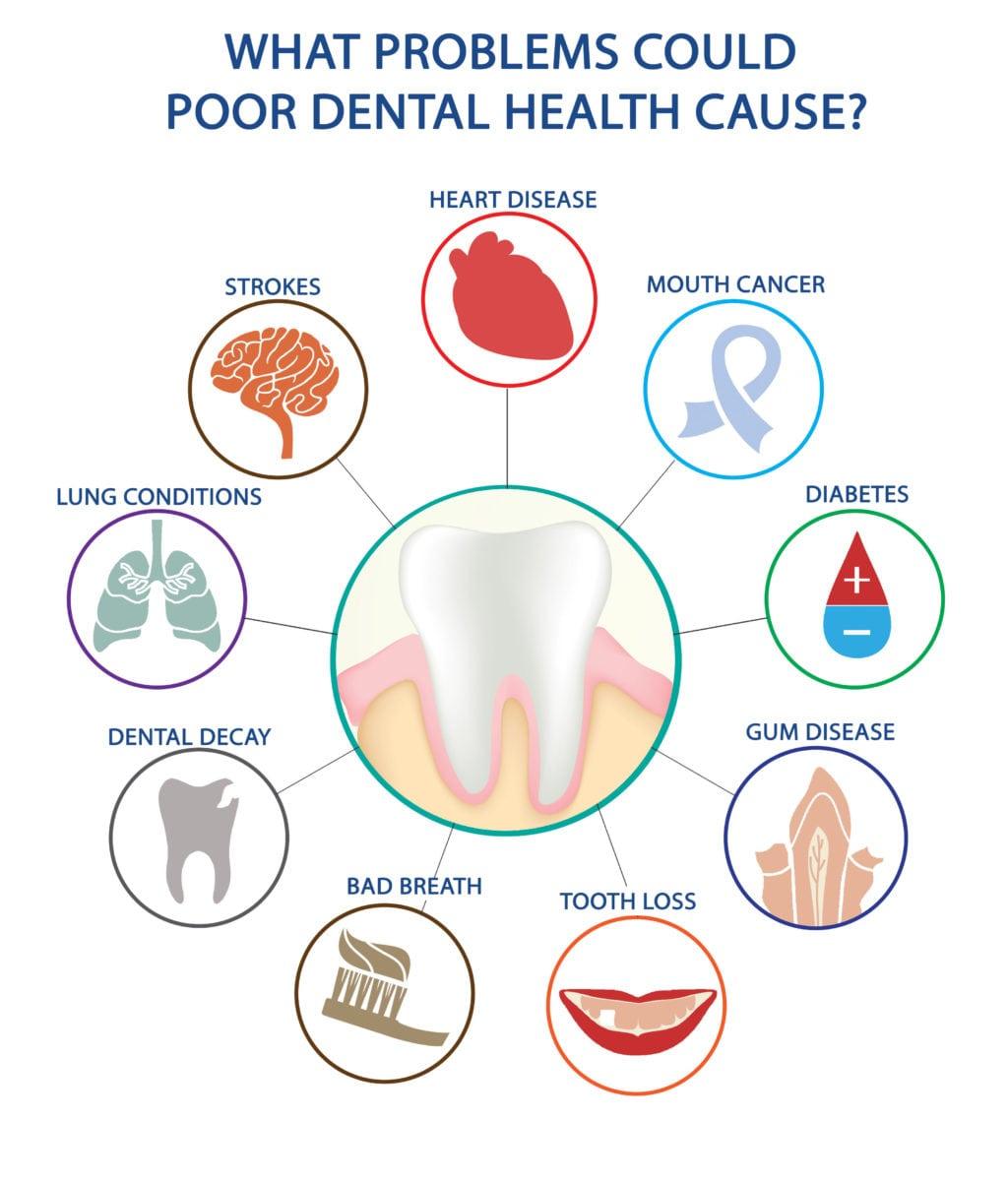
AIIMS experts have drawn attention to a crucial but often overlooked factor influencing cancer survival rates in Southeast Asia: oral health. In a recent session highlighted by Daijiworld, specialists from the All India Institute of Medical Sciences emphasized that maintaining good oral hygiene and addressing dental issues promptly can significantly impact the effectiveness of cancer treatments and overall patient outcomes. This emerging insight underscores the need for integrated healthcare approaches that prioritize oral care as a vital component in combating cancer across the region.
AIIMS Experts Emphasize Oral Health as Key Factor in Cancer Survival Rates in Southeast Asia
Leading specialists at AIIMS have brought attention to the often-overlooked impact of oral health on cancer survival rates across Southeast Asia. Their findings suggest that poor oral hygiene and untreated dental conditions can significantly complicate treatment outcomes for cancer patients, contributing to higher morbidity. Emphasizing multidisciplinary care, these experts advocate for integrating routine dental screenings and oral care protocols into cancer treatment programs to enhance overall patient prognosis.
Key measures recommended by AIIMS experts include:
- Regular oral examinations during oncology consultations
- Early intervention for dental infections and gum diseases
- Patient education on maintaining oral hygiene during chemotherapy
- Collaboration between oncologists and dental care providers
| Factor | Impact on Cancer Survival |
|---|---|
| Oral Infections | Increased treatment complications |
| Delayed Oral Care | Higher risk of mortality |
| Improved Hygiene | Enhanced recovery rates |
Comprehensive Study Reveals Impact of Oral Hygiene on Treatment Outcomes and Patient Longevity
Recent findings from AIIMS reveal a powerful connection between oral hygiene and the efficacy of cancer treatments across Southeast Asia. Researchers observed that patients maintaining rigorous oral care routines exhibited significantly better responses to chemotherapy and radiation therapies. The study emphasizes how poor oral health can lead to complications such as infections and inflammation, which not only delay treatment timelines but also diminish overall survival rates.
Highlighting key factors influencing these outcomes, the study identifies several critical variables linked to patient longevity:
- Consistent dental check-ups: Patients adhering to regular dental appointments showed a 25% increase in treatment adherence.
- Oral mucositis management: Effective control of treatment-induced oral sores reduced hospitalization time.
- Oral microbiome balance: Maintaining a balanced oral flora was associated with fewer systemic infections.
Data from the multi-center study illustrate survival trends in relation to oral hygiene practices:
| Oral Hygiene Level | 1-Year Survival Rate | Treatment Compliance |
|---|---|---|
| Excellent | 78% | 92% |
| Moderate | 65% | 75% |
| Poor | ||
| Poor | 48% | 55% |
| Oral Complications | Impact on Cancer Treatment | Suggested Intervention |
|---|---|---|
| Mucositis | Severe pain, treatment interruptions | Topical analgesics, oral hygiene protocols |
| Infections | Increased hospitalization risk | Antimicrobial mouth rinses, prompt dental care |
| Dry Mouth (Xerostomia) | Difficulty eating, higher decay risk | Saliva substitutes, hydration strategies |
| Altered Taste | Reduced nutrition intake | Dietary counseling, taste rehabilitation |
Key Takeaways
As AIIMS experts continue to shed light on the vital connection between oral health and cancer survival in Southeast Asia, their findings underscore an urgent need for integrated healthcare approaches. Emphasizing prevention, early detection, and comprehensive oral care could significantly improve patient outcomes across the region. With cancer rates on the rise, these insights call for heightened awareness and concerted action from policymakers, healthcare providers, and communities alike to address this critical public health challenge.