

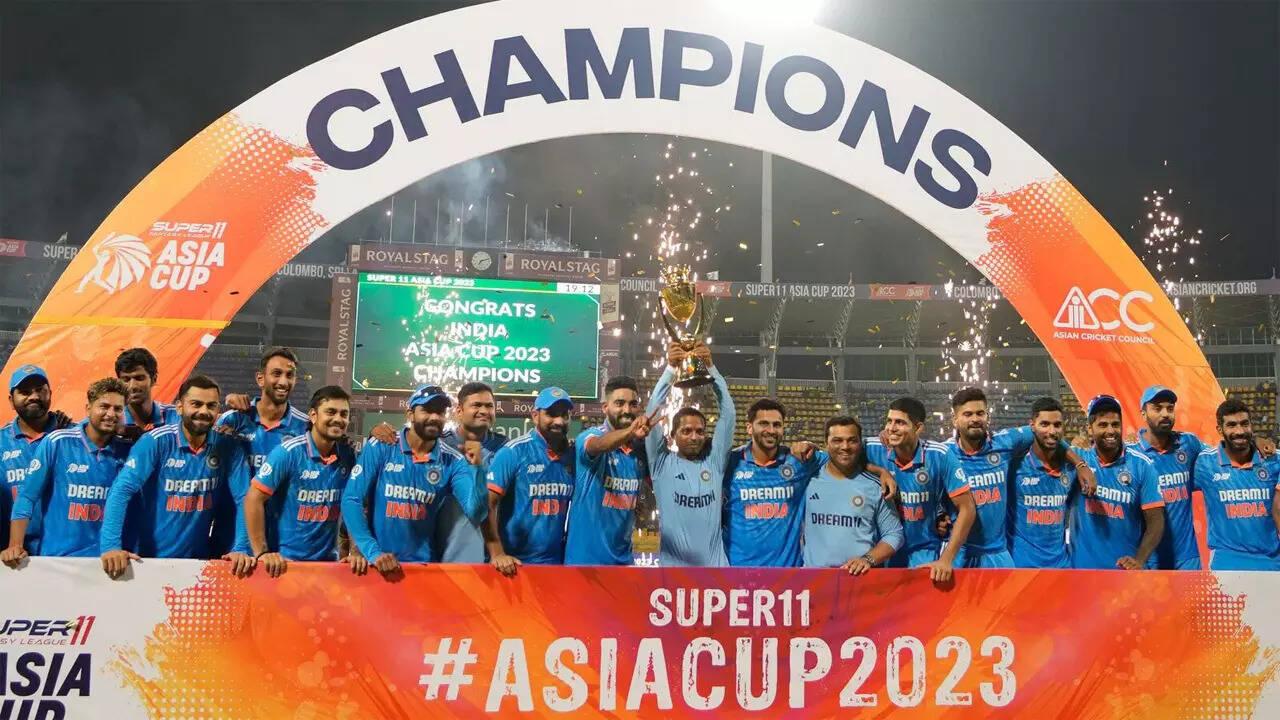
The Asia Cup 2025 faces uncertainty as cricketing giants India and Sri Lanka have made a significant move that could jeopardize the tournament’s future. Sources close to the matter reveal escalating tensions over hosting arrangements and scheduling conflicts, raising questions about the event’s feasibility. As one of the region’s premier cricketing contests, the potential disruption has sent shockwaves through the cricket community, leaving fans and stakeholders anxiously awaiting clarity. This article delves into the developments surrounding the crisis and what it could mean for the Asia Cup’s continuation.
Asia Cup 2025 in Jeopardy as India and Sri Lanka Signal Withdrawal
The cricketing world has been shaken by recent developments as India and Sri Lanka have reportedly signaled their intent to withdraw from the Asia Cup 2025, casting uncertainty over the tournament’s future. The move allegedly stems from escalating political tensions and unresolved logistical disputes surrounding the hosting rights. Sources close to the cricket boards have indicated that without satisfactory assurances and clear resolution of these underlying issues, participation from these two key teams remains doubtful.
Stakeholders fear that the absence of either team could significantly undermine the tournament’s stature and competitive balance. Here’s a snapshot of the current concerns shared by the board officials:
- Political friction: Increasing diplomatic challenges between host and participating nations.
- Venue disputes: Issues regarding match locations and security protocols.
- Scheduling conflicts: Overlapping international commitments interfering with preparation timelines.
| Team | Status | Concerns |
|---|---|---|
| India | Potential Withdrawal | Political issues, Security concerns |
| Sri Lanka | Considering Withdrawal | Logistical disagreements |
| Pakistan | Confirmed Participation | Awaiting confirmations |
| Bangladesh | Committed | Ready to participate |
Implications for Tournament Organizers and Regional Cricket Dynamics
The recent decisions by India and Sri Lanka could substantially complicate the planning and execution of the Asia Cup 2025, forcing tournament organizers to revisit logistics, venues, and team participation frameworks. With two heavyweight cricketing nations potentially withdrawing or altering their commitments, less predictable group dynamics emerge, likely impacting sponsorship deals and broadcast rights negotiations. This uncertainty may prompt organizers to explore alternative host venues or restructure the tournament format to maintain competitive balance and viewer interest.
On a broader scale, these moves signal shifting alliances and power structures within Asian cricket, potentially encouraging emerging teams to assert stronger roles in regional tournaments. The disruption opens a window for non-traditional cricketing nations to capitalize on increased visibility and influence in decision-making forums. Key implications include:
- Redistribution of hosting privileges: More emphasis on neutral or alternative venues.
- Revised revenue models: Adjusted contracts with sponsors and broadcasters to reflect new realities.
- Strategic partnerships: Smaller cricket boards may seek closer collaborations to balance the vacuum.
| Aspect | Potential Impact |
|---|---|
| Venue Selection | Shift to neutral countries like UAE or Oman |
| Broadcast Rights | Renewed negotiations, possible revenue drop |
| Team Participation | Uncertainty over India-Sri Lanka involvement |
| Sponsorship Deals | Potential delays or scaling back of commitments |
Strategic Steps Needed to Resolve Dispute and Ensure Tournament Continuity
Immediate diplomatic engagement between the cricket boards of India and Sri Lanka is essential to deactivate the escalating tensions. Establishing a neutral mediation panel comprising respected former players and administrators could pave the way for transparent dialogue. This panel’s primary responsibility should be to address core issues such as scheduling conflicts, security concerns, and financial guarantees, ensuring all parties’ interests are respected without compromise to the tournament’s integrity.
Critical steps to be taken include:
- Formation of a joint conflict-resolution committee
- Setting a fixed timeline for negotiation milestones
- Implementing quarterly progress reviews with the Asian Cricket Council (ACC)
- Securing formal commitments from participating nations on participation and logistical arrangements
| Step | Responsible Entity | Deadline |
|---|---|---|
| Establish Mediation Panel | ACC & Cricket Boards | Within 2 Weeks |
| Finalize Security Protocols | Host Nation & ICC Security Team | 1 Month |
| Confirm Financial Agreements | Boards’ Financial Committees | 6 Weeks |
| Publish Official Tournament Schedule | ACC | 2 Months |
Future Outlook
As tensions continue to mount between cricketing giants India and Sri Lanka, the future of the Asia Cup 2025 remains uncertain. Stakeholders across the region await further developments, hoping for a resolution that safeguards the tournament’s legacy and ensures its successful staging. Crictoday will keep readers informed as the situation unfolds.