

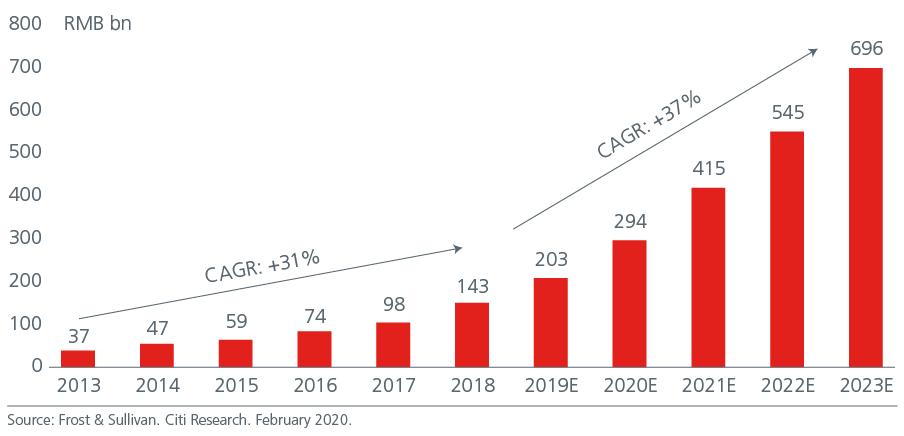
Asia stands at the forefront of a transformative era, harnessing technological innovation to drive its economic growth and reshape global markets. In a region marked by diverse economies and rapid digital adoption, advancements in artificial intelligence, renewable energy, and fintech are accelerating development and deepening integration. As governments and private sectors collaborate to invest heavily in cutting-edge infrastructure and talent, Asia’s technological trajectory is set to redefine its economic landscape, presenting both opportunities and challenges on the path to sustained prosperity. This article explores the key drivers behind Asia’s tech-driven growth and the implications for the global economy.
Asia’s Technological Innovation Driving Economic Expansion
Asia’s rapid adoption and development of cutting-edge technologies have become a pivotal force spurring economic growth across the region. From AI-driven manufacturing hubs in South Korea and Japan to the booming fintech ecosystems in China and India, innovation is reshaping traditional industries and creating new market opportunities. Governments are actively investing in digital infrastructure and fostering startup ecosystems, recognizing technology as the cornerstone for sustainable expansion.
Key areas fueling this transformation include:
- Artificial Intelligence: Enhancing automation and productivity in manufacturing and services.
- Fintech Innovation: Expanding financial inclusion through mobile banking and blockchain solutions.
- 5G Connectivity: Accelerating the adoption of IoT and smart city developments.
- Green Technology: Driving energy efficiency and sustainable industrial practices.
| Country | Top Tech Focus | GDP Growth Impact (%) |
|---|---|---|
| China | AI & 5G | 1.8 |
| India | Fintech & Software | 2.3 |
| South Korea | Semiconductors & Robotics | 1.2 |
| Singapore | Smart Cities & IoT | 1.0 |
Challenges in Infrastructure and Talent Development
Asia’s rapid technological advancement is frequently hindered by critical gaps in both infrastructure and human capital. Although governments have poured substantial investments into upgrading physical networks like 5G connectivity and data centers, rural and underdeveloped regions remain largely disconnected, limiting inclusive digital growth. Furthermore, legacy systems in legacy industries often resist seamless integration with modern technology, creating bottlenecks. Addressing these disparities is essential to harness the full potential of Asia’s digital economy, yet the pace of infrastructure modernization varies significantly across countries, impacting regional competitiveness and foreign investment flows.
Equally pressing is the shortage of skilled talent capable of driving and sustaining technological innovation. Educational institutions struggle to keep curricula aligned with evolving industry demands, particularly in fields such as artificial intelligence, cybersecurity, and cloud computing. Corporations cite a widening skills gap as a major constraint, prompting a surge in corporate training programs and international recruitment efforts. Below is an overview of pressing talent challenges affecting Asia’s tech sector:
- Mismatch between education and industry needs
- Brain drain to Western tech hubs
- Limited access to advanced STEM training in rural areas
- Gender and diversity gaps in technology roles
| Country | Infrastructure Development Index | Tech Talent Shortage (%) |
|---|---|---|
| India | 65 | 45 |
| South Korea | 89 | 23 |
| Vietnam | 58 | 52 |
| Singapore | 93 | 17 |
Strategic Policies to Foster Sustainable Tech Growth
Governments across Asia are increasingly prioritizing policies that catalyze sustainable technological innovation, balancing rapid growth with environmental stewardship. Central to these efforts is the establishment of robust regulatory frameworks that incentivize green tech investments while safeguarding data privacy and digital security. By fostering collaborations between public institutions, private enterprises, and academic research centers, policymakers aim to create a resilient ecosystem that supports long-term development and minimizes ecological footprints.
Key elements contributing to this strategic agenda include:
- Targeted subsidies for clean energy startups and R&D initiatives to accelerate breakthroughs in renewable technologies.
- Enhanced digital infrastructure development to ensure inclusive access across urban and rural areas.
- Comprehensive skill-upgradation programs designed to prepare the workforce for emerging tech demands.
| Policy Focus | Impact Area | Implementation Example |
|---|---|---|
| Green Innovation Grants | Clean Technology | Solar PV manufacturing incentives, Vietnam |
| Digital Infrastructure Expansion | Connectivity & Access | 5G rollouts in South Korea |
| Workforce Development | Human Capital | AI skill bootcamps, Singapore |
Closing Remarks
As Asia continues to harness innovation and expand its digital infrastructure, the region’s technological evolution remains a critical driver of economic growth and global competitiveness. While challenges such as regulatory hurdles and geopolitical tensions persist, Asia’s commitment to advancing cutting-edge technologies positions it as a pivotal player in shaping the future of the global economy. The coming years will be crucial in determining how effectively Asian nations can leverage these developments to sustain growth and deliver inclusive prosperity.