

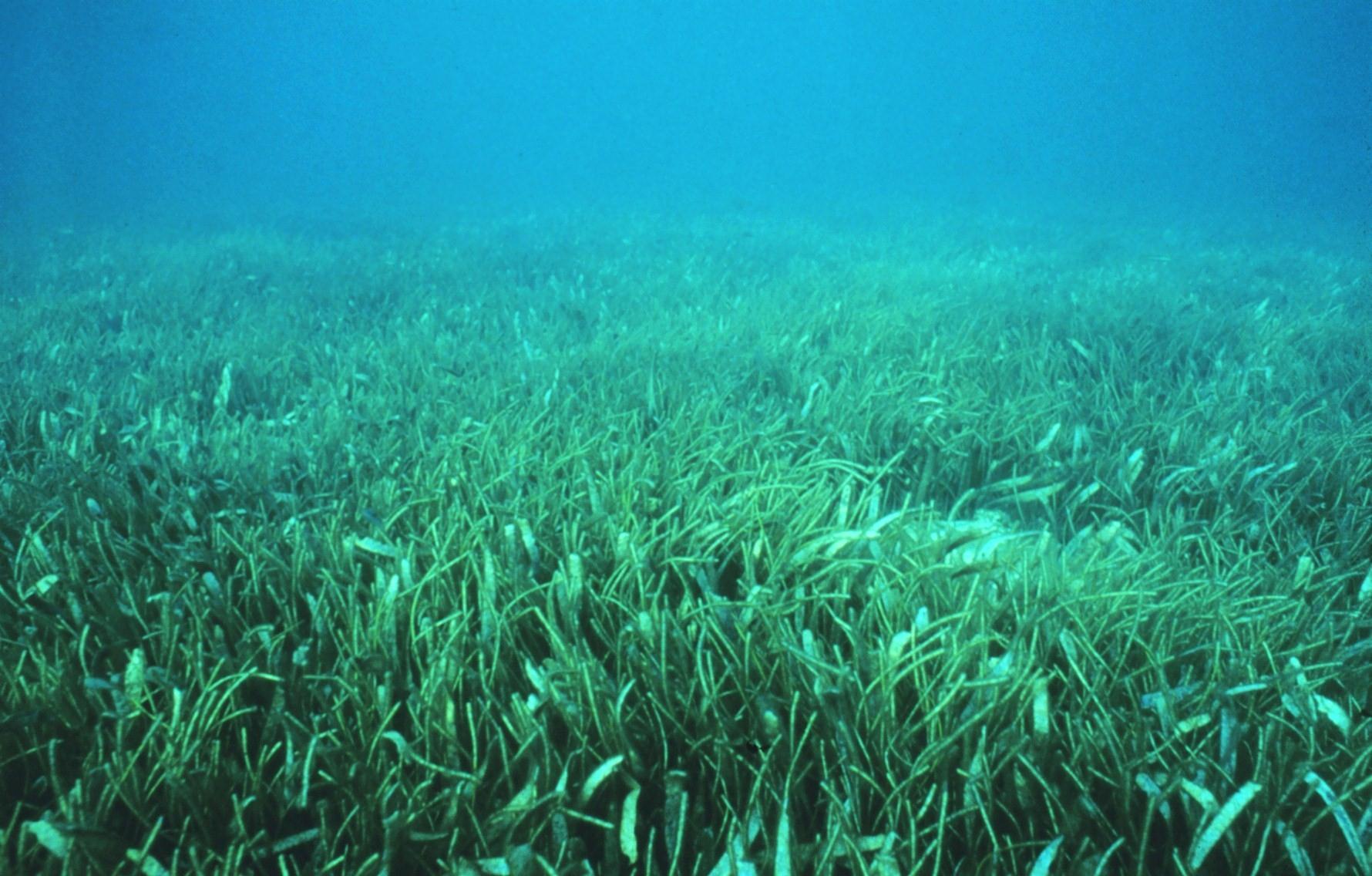
Southeast Asia is emerging as a global leader in the fight against climate change through an innovative approach that combines environmental science and community cooperation. In a groundbreaking initiative supported by the United Nations Development Programme (UNDP), countries across the region are harnessing the power of seagrass ecosystems to capture and store “blue carbon” – a vital but often overlooked natural resource. This strategy not only advances scientific understanding of coastal carbon sinks but also fosters solidarity among local communities, governments, and researchers. Together, they are crafting a scalable blueprint that could transform climate resilience and sustainable development across the globe.
Seagrass Restoration as a Climate Solution in Southeast Asia
Across Southeast Asia, seagrass restoration is rapidly emerging as a critical pillar in the region’s climate mitigation strategy. Seagrass meadows act as potent blue carbon sinks, capturing and storing up to 35 times more carbon per hectare than tropical rainforests. Beyond carbon sequestration, these underwater ecosystems protect coastal communities from erosion and storm surges while supporting rich biodiversity, including economically important fisheries. Governments and local communities are increasingly joining forces to implement restoration projects that blend traditional knowledge with cutting-edge science, fostering resilience in the face of climate change.
Innovative partnerships are driving this momentum by addressing both ecological and socio-economic challenges. Key elements of these restoration efforts include:
- Community-led monitoring: Locals trained to track seagrass health ensure long-term sustainability.
- Scientific mapping: Use of satellite technology to identify priority areas for restoration.
- Policy integration: Aligning seagrass conservation with national climate action plans.
- Capacity building: Workshops and knowledge-sharing platforms that empower stakeholders.
| Country | Restoration Area (ha) | Estimated CO2 Sequestration (tons/year) | Community Involvement |
|---|---|---|---|
| Indonesia | 450 | 27,000 | High |
| Philippines | 320 | 19,200 | Moderate |
| Vietnam | 280 | 16,800 | High |
| Malaysia | 210 | 12,600 | Emerging |
Harnessing Scientific Research to Maximize Blue Carbon Potential
Scientific research plays a pivotal role in unlocking the full potential of blue carbon ecosystems, particularly the seagrass meadows that stretch across Southeast Asia. Recent studies led by regional experts and international partners have begun to map not only the extent of these underwater forests but also their carbon sequestration capabilities. By applying advanced techniques such as remote sensing, sediment analysis, and genetic mapping, researchers are generating precise data critical for effective conservation and restoration strategies. These findings provide a robust foundation for policymakers and communities to implement blue carbon initiatives that are both environmentally sound and socioeconomically beneficial.
Key elements driving the successful application of scientific insights include:
- Collaborative Research Networks: Cross-border efforts foster knowledge exchange and technological innovation.
- Community-Based Monitoring: Empowering local populations to participate in data collection enhances stewardship and sustainability.
- Policy Integration: Research outcomes inform legislation that supports ecosystem protection and carbon market mechanisms.
| Research Focus | Methodology | Impact |
|---|---|---|
| Seagrass Coverage | Satellite Mapping & Drones | Accurate habitat mapping |
| Carbon Storage | Soil Core Sampling | Quantifies sequestration rates |
| Genetic Diversity | DNA Barcoding | Informs resilient restoration |
Building Regional Cooperation for Effective Coastal Ecosystem Management
Across Southeast Asia, the need to unite national efforts is more urgent than ever to preserve fragile coastal ecosystems and harness the full potential of blue carbon solutions. Countries are breaking historical silos to create a dynamic network that shares cutting-edge research, monitoring technologies, and practical conservation strategies tailored to the region’s unique seagrass meadows. This collective approach enhances resilience against climate change, reduces carbon emissions, and promotes sustainable livelihoods for coastal communities that depend on these natural assets.
Key elements driving this regional synergy include:
- Joint data platforms: Enabling transparent access to real-time seagrass health and carbon storage metrics.
- Harmonized policy frameworks: Aligning national regulations to facilitate cross-border coastal management.
- Capacity building programs: Empowering local scientists and stakeholders with state-of-the-art tools and knowledge.
- Community-driven conservation: Integrating traditional ecological practices for sustainable stewardship.
| Country | Seagrass Coverage (km²) | Blue Carbon Potential (Tons CO₂/year) |
|---|---|---|
| Indonesia | 3,200 | 1,150,000 |
| Philippines | 1,800 | 620,000 |
| Malaysia | 1,050 | 410,000 |
| Vietnam | 1,500 | 530,000 |
Final Thoughts
As Southeast Asia charts a course toward sustainable climate action, the region’s commitment to seagrass conservation emerges as a powerful testament to the blend of science and solidarity. Through collaborative efforts led by the UNDP, these underwater meadows are gaining recognition not only for their ecological value but also for their potential to capture and store vast amounts of carbon. This blueprint for blue carbon underscores a hopeful vision where environmental stewardship and community engagement work hand in hand, offering a scalable model for other coastal nations worldwide. As the tides of climate change rise, Southeast Asia’s seagrass initiatives stand poised as a critical frontline defense-proving that preserving nature can indeed be a cornerstone of global resilience.