

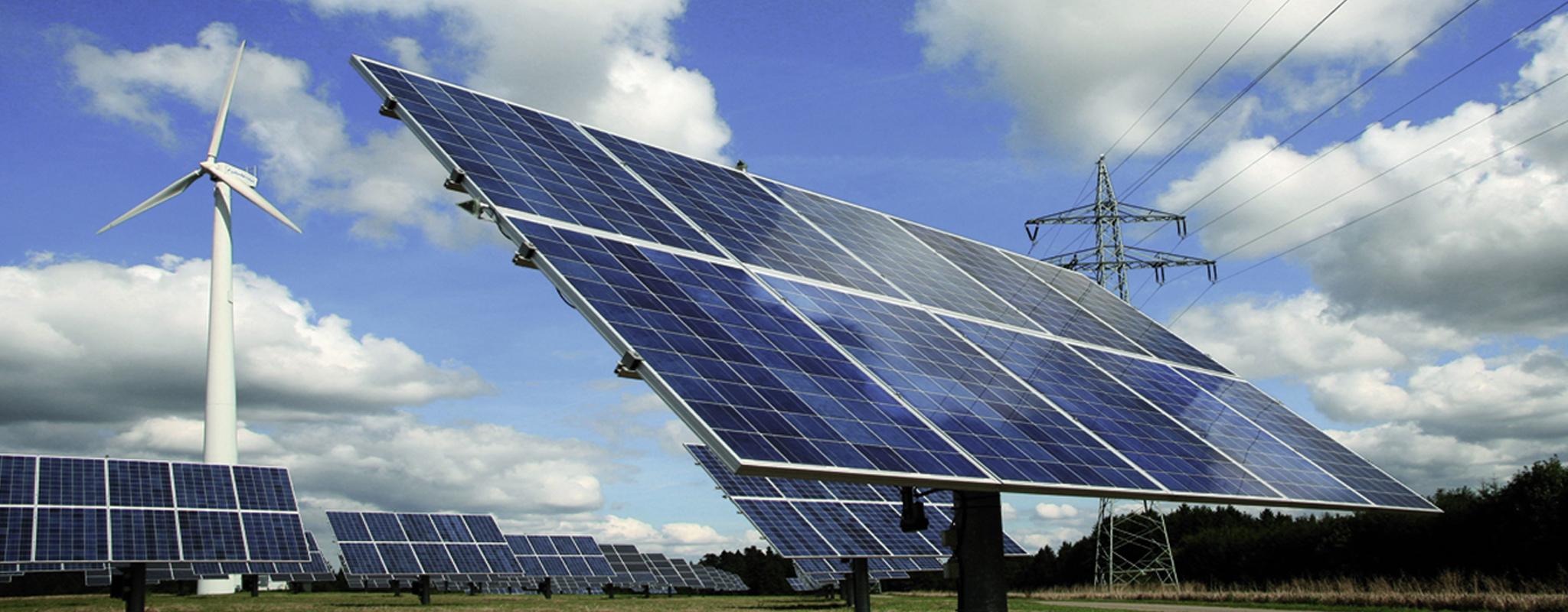
As Southeast Asia accelerates its pursuit of economic growth and energy security, the region faces mounting pressure to balance development with environmental sustainability. In a new report by the Center for Strategic and International Studies (CSIS), experts examine the critical role of emerging energy technologies in driving decarbonization across Southeast Asia. The analysis highlights how innovative solutions-from renewable energy deployment to smart grid advancements-are reshaping the region’s energy landscape, offering pathways to reduce carbon emissions while supporting the demands of growing populations. This article delves into the key findings of the CSIS study, exploring the challenges and opportunities that lie ahead for Southeast Asia as it navigates the complex transition toward a low-carbon future.
Energy Transition Challenges in Southeast Asia Demand Targeted Policy Support
The rapid shift toward renewable energy in Southeast Asia presents a complex landscape shaped by economic disparities, infrastructure gaps, and varying levels of technological readiness. Countries in the region must navigate the uneven pace of development, where urban centers often benefit from modern grids and clean energy investments, while rural areas remain dependent on traditional fuels. This divide underscores the need for tailored policy frameworks that accommodate diverse national contexts, ensuring no community is left behind in the pursuit of decarbonization.
Moreover, the integration of emerging energy technologies demands a strategic approach to balance affordability, reliability, and sustainability. Key challenges include:
- Grid modernization: Upgrading legacy systems to smart grids capable of handling intermittent renewable sources.
- Workforce development: Cultivating skilled labor to support new energy sectors and innovation hubs.
- Financing mechanisms: Mobilizing investments through public-private partnerships and international funding.
| Issue | Policy Response | Expected Outcome |
|---|---|---|
| Infrastructure gaps | Expand grid connectivity and storage solutions | Increased renewable integration |
| Financing constraints | Introduce green bonds and subsidies | Boosted investment flows |
| Regulatory fragmentation | Harmonize regional standards and targets | Streamlined cross-border cooperation |
Innovations in Renewable Energy Technologies Drive Regional Decarbonization Efforts
Across Southeast Asia, emerging renewable energy technologies are reshaping the regional energy landscape, accelerating the drive towards sustainable growth. Advances in solar photovoltaic efficiency and the integration of energy storage systems are making off-grid and remote-area electrification increasingly viable. Countries like Vietnam and Indonesia are investing heavily in next-generation wind turbines designed to withstand tropical weather conditions, while Thailand leverages smart grid technology to optimize energy distribution and reduce losses. These innovations are not only lowering carbon emissions but also enhancing energy security in a region vulnerable to climate change impacts.
Key components powering this transformation include:
- Floating solar farms: Maximizing water surface area utilization in hydroelectric reservoirs
- Hybrid renewable systems: Combining solar, wind, and bioenergy to ensure consistent power supply
- Digital monitoring tools: Real-time data analytics to improve grid resilience and facilitate demand response
| Country | Leading Technology | Impact on CO₂ Reduction |
|---|---|---|
| Vietnam | Offshore wind turbines | 15% decrease in coal dependency |
| Indonesia | Floating solar arrays | 10 million tons CO₂ avoided annually |
| Thailand | Smart grid systems | Improved grid efficiency by 12% |
Strategic Recommendations for Aligning Infrastructure Investments with Climate Goals
Prioritizing adaptive and resilient infrastructure is essential for Southeast Asia’s pathway toward a low-carbon future. Investments must be strategically channeled into renewable energy projects like solar, wind, and geothermal that align with national climate commitments. Additionally, integrating smart grid technologies and energy storage solutions will enhance grid stability while optimizing resource distribution. Policymakers and investors should foster cross-sector collaboration to create scalable projects that deliver both environmental benefits and economic growth. Embracing innovative financing mechanisms, such as green bonds and climate funds, can accelerate deployment and reduce investment risks.
To ensure measurable impact, governments must implement clear frameworks for tracking carbon reductions tied to infrastructure projects, supported by transparent data systems. Critical areas of focus include:
- Strengthening regulatory incentives for clean energy adoption
- Encouraging public-private partnerships for technology transfer and capacity building
- Embedding nature-based solutions within urban infrastructure to improve climate resilience
| Infrastructure Type | Climate Benefit | Investment Priority |
|---|---|---|
| Solar Farms | Reduced carbon emissions | High |
| Smart Grids | Improved energy efficiency | Medium |
| Flood-Resilient Roads | Enhanced climate adaptation | High |
| Electric Vehicle Charging | Lower transportation emissions | Medium |
In Conclusion
As Southeast Asia stands at a critical juncture in its development trajectory, the advancement of energy technologies and commitment to decarbonization will play a decisive role in shaping the region’s sustainable future. With rising energy demands and the pressing need to address climate change, innovative solutions and regional cooperation are more important than ever. The efforts highlighted by the Center for Strategic and International Studies underscore both the challenges ahead and the opportunities to build a cleaner, more resilient energy landscape across Southeast Asia. Moving forward, the integration of technology, policy, and investment will be key to achieving the region’s ambitious climate goals and securing long-term energy security.