

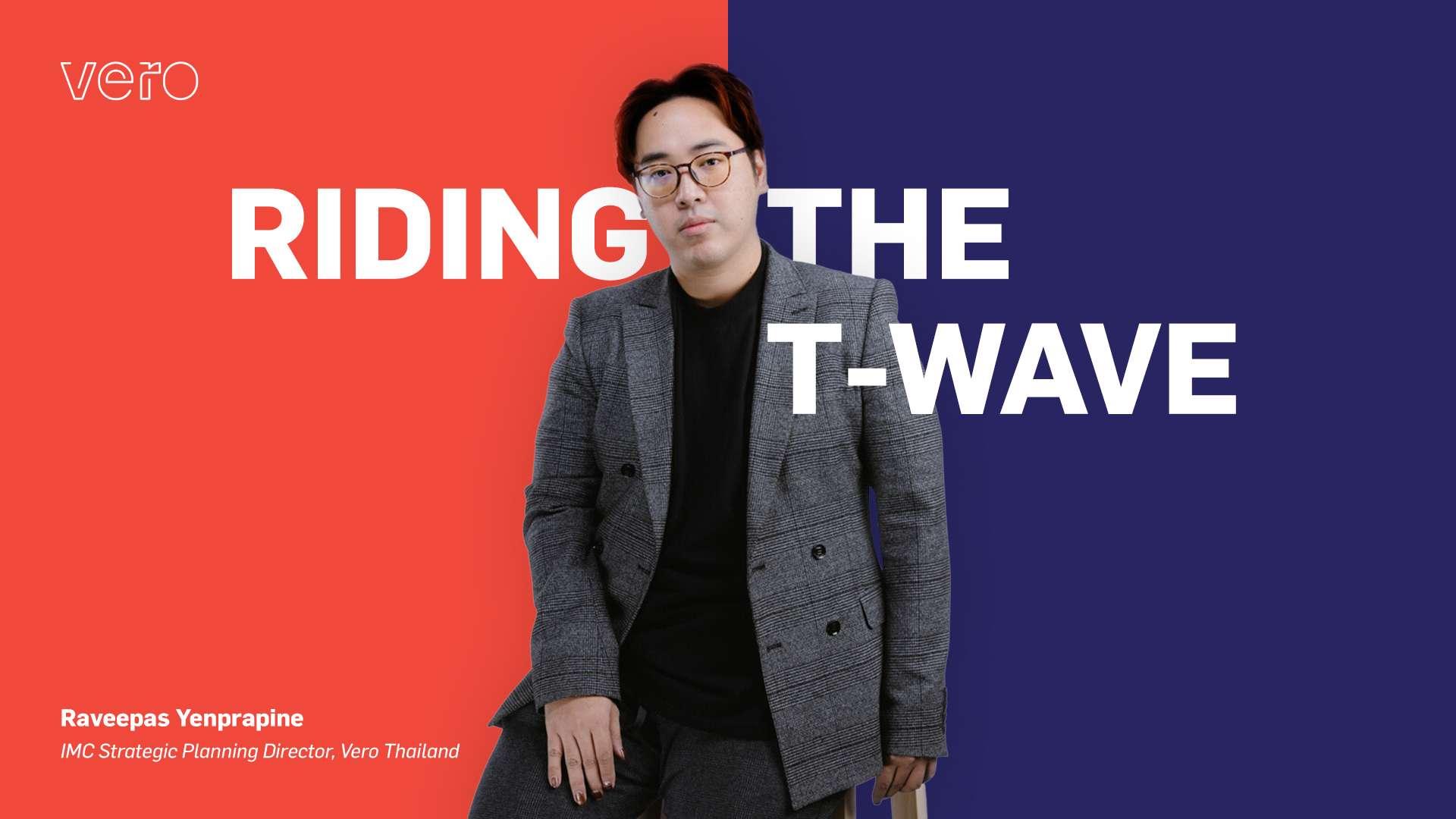
Thailand’s burgeoning music scene is poised to challenge the dominance of K-pop across Asia with the rise of its ‘more well-rounded’ T-wave artists. As South Korea’s polished pop acts continue to command massive fanbases and global influence, Thailand’s new generation of musicians is gaining attention for their versatile talents and innovative sound. This emerging T-wave phenomenon, characterized by a fusion of genres and culturally resonant themes, could reshape the regional entertainment landscape and offer fresh competition to the reigning Korean pop industry.
Thailand’s Emerging T-wave Genre Redefining Asian Pop Music Landscapes
Thailand’s T-wave genre is swiftly gaining momentum, offering a fresh and distinct alternative to the dominant sounds of Asian pop music. Characterized by its fusion of traditional Thai melodies with modern synth beats and introspective lyricism, T-wave brings a more well-rounded sonic experience that resonates deeply with younger audiences craving authenticity. Unlike K-pop’s high-energy choreographies and polished visuals, T-wave artists emphasize emotional storytelling and innovation in production, carving out a unique space where cultural heritage and contemporary trends coexist seamlessly.
Industry experts note several factors positioning T-wave for broader regional appeal:
- Localized storytelling: Articulating everyday Thai experiences transcending language barriers.
- DIY aesthetics: Promoting creative freedom over commercial perfection.
- Cross-genre experimentation: Blending indie, R&B, and electronic elements with traditional sounds.
As these elements converge, the question remains not just if T-wave can rival K-pop’s dominance, but how its organic growth might influence Asia’s future musical soundscape.
| Genre | Key Characteristics | Audience Appeal |
|---|---|---|
| T-wave | Emotional depth, synth-folk fusion | Youth seeking authenticity |
| K-pop | High-energy, polished performance | Mainstream pop consumers |
| J-pop | Eclectic pop with cultural nuances | Regional niche markets |
Comparing Thailand’s T-wave and K-pop Market Strategies and Audience Engagement
Thailand’s T-wave distinguishes itself through a blend of cultural authenticity and diversified content, strategically tapping into local storytelling, traditional aesthetics, and modern production values. Unlike K-pop’s highly polished, formulaic idol system and globally synchronized marketing, the T-wave embraces a “more well-rounded” approach by integrating drama, music, fashion, and digital-native fan interactions. This multifaceted strategy allows Thai creatives to engage audiences on multiple levels, fostering deeper emotional connections through relatable narratives and interactive online ecosystems.
Audience engagement methods also illustrate clear differences. K-pop thrives on meticulously crafted fandom culture, leveraging synchronized social media campaigns, multi-platform fan events, and mass-produced idol personas for global reach. Meanwhile, the T-wave relies on organic audience growth via digital word-of-mouth, niche community-building, and close artist-fan rapport nurtured on platforms like LINE and TikTok. The table below highlights key contrasts in their market and engagement models:
| Aspect | T-wave (Thailand) | K-pop (South Korea) |
|---|---|---|
| Content Style | Culturally rooted, narrative-driven | Idol-centric, performance-driven |
| Marketing Approach | Organic growth, niche targeting | Global campaigns, mass appeal |
| Fan Engagement | Interactive, close-knit communities | Highly choreographed fandom culture |
| Platform Focus | Local messengers & social apps | Global social media & streaming |
Key Recommendations for T-wave Artists to Expand Influence Beyond Regional Borders
To break through the dominant grip of established K-pop acts, T-wave artists from Thailand must strategically diversify their creative output and international engagement. Collaborations with global producers and artists can introduce fresh sonic textures that resonate beyond local tastes. Additionally, investing in multilingual content, including English and other Asian languages, will help artists connect more authentically with diverse audiences. Emphasizing storytelling through visual innovation-such as cinematic music videos and immersive live streams-can further captivate fans outside Southeast Asia.
Building robust fan communities across borders requires a blend of traditional and digital approaches. Artists should leverage social media platforms tailored for international markets while organizing virtual fan meets and localized tours in neighboring countries. Exclusive merchandise drops and interactive fan experiences can strengthen loyalty, converting casual listeners into long-term supporters. Below is a compact strategy matrix for T-wave artists aiming to broaden their reach:
| Focus Area | Key Action | Expected Impact |
|---|---|---|
| Music Production | Global collaborations, multilingual lyrics | Broader appeal, cross-cultural resonance |
| Visual Content | Innovative music videos, immersive live streams | Enhanced fan engagement, viral potential |
| Fan Engagement | Virtual meetups, localized tours | Stronger international fan communities |
| Merchandising | Exclusive, culturally tailored merchandise | Increased brand loyalty, revenue diversification |
Insights and Conclusions
As Thailand’s ‘more well-rounded’ T-wave continues to gain traction across Asia, the evolving dynamics of the regional music scene suggest a shift in the longstanding dominance of K-pop. While K-pop remains a formidable cultural force with an established global fanbase, Thailand’s burgeoning entertainment industry is carving out its own distinct identity, appealing to audiences with diverse tastes. Whether T-wave can sustain its momentum and truly challenge K-pop’s rule will depend on its ability to innovate and expand beyond current markets. For now, the rise of T-wave marks an intriguing new chapter in Asia’s vibrant pop culture landscape.