

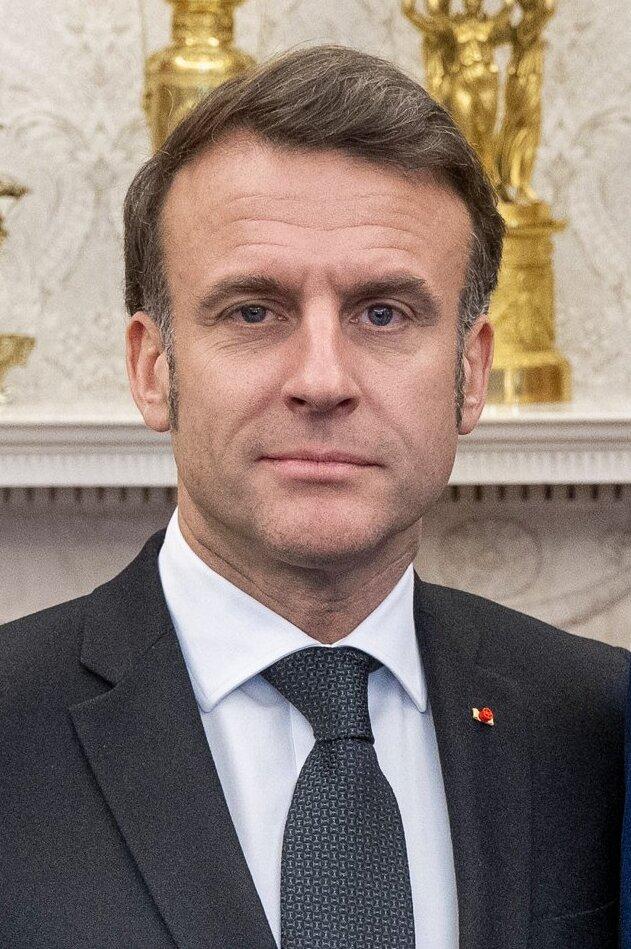
French President Emmanuel Macron’s recent diplomatic initiative on Palestine marks a potential inflection point in the complex geopolitical landscape of West Asia. As the United States and Israel maintain firm stances amid ongoing regional tensions, Macron’s move seeks to recalibrate alliances and influence the future trajectory of the Israeli-Palestinian conflict. This development could reshape power dynamics and diplomatic alignments in a region long defined by deep-seated divides and strategic contestations.
Macron’s Bold Palestine Initiative Challenges Established West Asia Alliances
French President Emmanuel Macron’s recent diplomatic outreach towards Palestine is sending ripples through West Asia’s intricate web of alliances. By openly advocating for a renewed dialogue with Palestinian authorities, Macron is positioning France as a pivotal mediator amid escalating tensions. This move not only challenges the traditional US-led approach but also disrupts the delicate balance maintained by Israel and its regional allies. Macron’s assertiveness signals a shift towards a more independent European role in Middle Eastern affairs, emboldening other powers to reconsider their stances on the Israeli-Palestinian conflict.
- US and Israel: Firmly defending their established policy, signaling resistance to external mediation efforts that may dilute their strategic objectives.
- Palestine: Welcoming renewed international engagement while cautiously navigating internal political divisions.
- Regional Allies: Observing closely, with some potentially revisiting their alliances in light of France’s proactive diplomacy.
| Stakeholder | Current Position | Potential Impact |
|---|---|---|
| France | Championing dialogue with Palestine | Enhanced diplomatic leverage in West Asia |
| USA | Backing Israel firmly | Increased diplomatic friction with Europe |
| Israel | Resistant to external pressure | Consolidation of strategic alliances |
| Palestinian Authority | Taking cautious optimism | Potential for renewed peace process |
US and Israel Reinforce Positions Amid Shifting Diplomatic Landscape
The United States and Israel have adopted a resolute stance as recent diplomatic developments underscore tensions in the West Asian geopolitical fabric. While President Macron’s assertive outreach towards Palestine signals a potential recalibration of alliances, Washington and Jerusalem show no signs of compromise, doubling down on their strategic imperatives. This hardening posture is marked by increased military cooperation and vocal diplomatic assertions aimed at preserving their longstanding regional interests against a backdrop of growing international calls for a more balanced approach.
Key elements shaping this evolving landscape include:
- Renewed Security Pacts: Enhanced intelligence sharing and joint military exercises solidify defense collaboration.
- Diplomatic Posturing: Firm rhetoric from both the US and Israel emphasizes non-negotiable security concerns.
- Economic Levers: Strategic aid packages and technology transfers underpin the alliance’s resilience.
| Country | Recent Initiative | Impact on West Asia |
|---|---|---|
| United States | Expanded military aid to Israel | Strengthened defense capabilities |
| Israel | Assertive diplomatic messaging | Reinforced regional influence |
| France | Engagement with Palestine | Potential shift in diplomatic balance |
Strategic Recommendations for Navigating the Emerging Geopolitical Realities
To effectively engage with the shifting alliances and tensions in West Asia, policymakers should prioritize multilateral dialogue that includes diverse regional actors beyond the traditional US-Israel axis. Encouraging platforms where Arab states, Iran, Turkey, and European powers can discuss mutual security concerns and economic cooperation will be crucial in diffusing potential escalations. Additionally, embracing diplomatic flexibility over rigid ideological stances can open pathways for pragmatic compromises, which are essential given the fragmented nature of regional politics. France’s recent initiative underscores the need for European actors to exercise greater autonomy in regional affairs, balancing relations between Washington and Middle Eastern capitals.
Furthermore, a nuanced understanding of grassroots sentiments across West Asia is vital. Governments and international organizations should leverage both traditional diplomacy and emerging communication channels to engage local populations, fostering peace-building efforts from the bottom up. The following table outlines key strategic focus areas to consider in this complex environment:
| Strategic Focus | Recommended Action | Expected Impact |
|---|---|---|
| Inclusive Dialogue | Host regional summits involving non-traditional partners | Reduced polarization and new alliances |
| Diplomatic Agility | Adapt positions based on changing ground realities | Increased negotiation opportunities |
| Public Engagement | Utilize social media and local forums for outreach | Enhanced legitimacy of peace efforts |
In Conclusion
As President Macron’s initiative on Palestine reverberates through diplomatic corridors, its potential to reshape West Asia’s geopolitical landscape becomes increasingly evident. With the United States and Israel firmly entrenched in their positions, Macron’s move introduces new variables that could either pave the way for renewed dialogue or deepen existing divides. The coming months will be crucial in determining whether this French-led effort can catalyze meaningful progress or further complicate an already intricate regional equation.