

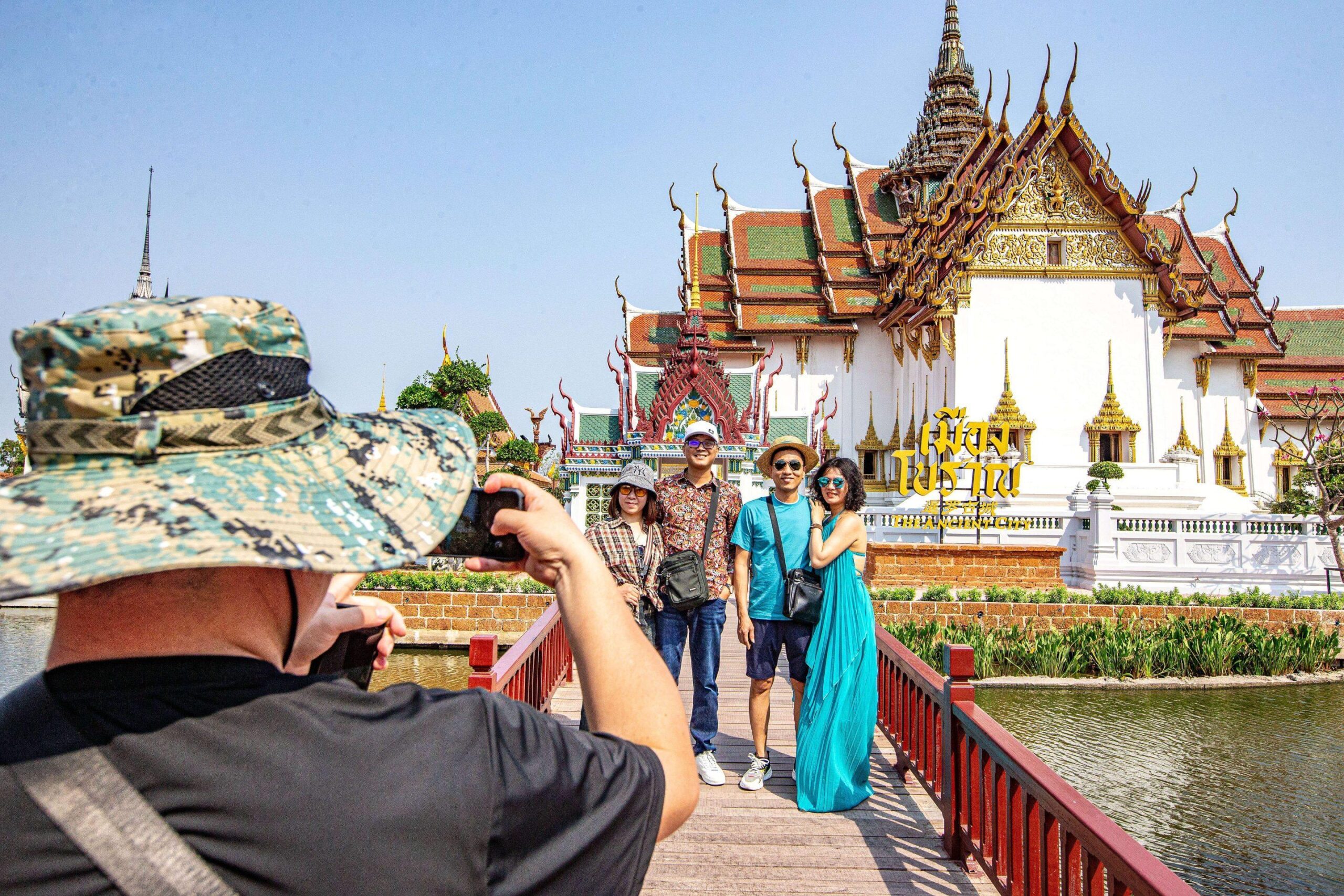
The tourism industry in Thailand is witnessing a robust resurgence this year, signaling a promising rebound for one of Southeast Asia’s most popular travel destinations. As international borders reopen and traveler confidence rebounds, Thailand is not only welcoming back its traditional hotspots but also unveiling a range of emerging destinations that cater to evolving traveler preferences in this new era of travel. From pristine beaches to cultural hidden gems, the country’s tourism sector is adapting and innovating to capture the attention of globally minded tourists once again. This article explores the dynamics driving Thailand’s tourism revival and highlights the rising destinations that are reshaping its travel landscape.
Tourism Industry of Thailand Shows Robust Recovery Driven by Domestic and International Travelers
The tourism landscape in Thailand has witnessed a dynamic resurgence this year, highlighted by the remarkable return of both domestic and international visitors. Local travelers rediscovering cultural landmarks and pristine natural sites have complemented the influx of foreign tourists eager to explore beyond traditional hotspots. This dual-driven recovery is fueling economic revitalization across provinces like Chiang Mai, Hua Hin, and Kanchanaburi, which are emerging as appealing alternatives to well-trodden destinations such as Bangkok and Phuket. Notably, the hospitality sector is adapting rapidly, with renewed investments in sustainable tourism practices and customized experiences tailored to evolving traveler preferences.
Key trends shaping Thailand’s tourism revival include:
- Growth of eco-tourism and community-based travel initiatives
- Increased air connectivity with direct flights from new international markets
- Expansion of wellness retreats and adventure tourism offerings
- Government incentives promoting local tourism and safety protocols
| Destination | Visitor Growth % (YTD) | Highlight |
|---|---|---|
| Chiang Mai | 35% | Cultural festivals & mountain trekking |
| Hua Hin | 28% | Beach resorts & golf courses |
| Kanchanaburi | 22% | Historic sites & river cruises |
Emerging Destinations Draw Attention with Unique Cultural and Eco-Tourism Experiences
Thailand’s lesser-known provinces are rapidly capturing the imagination of travelers seeking authentic cultural immersion and responsible tourism. From the vibrant hill tribes of Mae Hong Son to the pristine mangrove forests of Krabi’s hinterland, these destinations offer a refreshing alternative to the country’s well-trodden tourist circuits. Local communities are embracing sustainable tourism models, inviting visitors to partake in traditional crafts, culinary workshops, and eco-friendly homestays that highlight Thailand’s rich heritage while advocating environmental stewardship.
Key features drawing increased attention include:
- Interactive Cultural Experiences: Festivals, folklore storytelling, and artisan markets where tourists can engage directly with local traditions.
- Eco-tourism Initiatives: Protected reserves and conservation projects offering guided treks, wildlife spotting, and coral reef restoration activities.
- Community-Based Tourism: Small-scale ventures providing economic benefits to indigenous communities, fostering genuine connections between travelers and locals.
| Destination | Unique Offerings | Eco-Tourism Highlight |
|---|---|---|
| Chiang Rai | Lanna cultural villages & local markets | Sustainable hillside farming tours |
| Trang | Underground rivers & traditional fishing villages | Marine conservation volunteer programs |
| Nan | Ancient temples & handwoven textiles | Forest preservation treks |
Strategic Recommendations for Sustainable Growth and Enhanced Visitor Engagement
To foster sustainable growth in Thailand’s evolving tourism sector, stakeholders must prioritize ecosystem preservation alongside economic development. Emphasizing eco-friendly infrastructure, supporting local communities, and promoting cultural heritage can drive a balanced approach that appeals to conscious travelers. Integrating smart technologies like AI-driven visitor analytics and contactless services will improve operational efficiency and enhance safety, catering to post-pandemic traveler preferences. Additionally, fostering public-private partnerships enables investment in emerging destinations, ensuring that benefits are equitably shared and long-term resilience is built into the tourism model.
Key strategies to advance visitor engagement include:
- Curating immersive, authentic experiences that connect tourists with local traditions and environments.
- Developing multilingual digital platforms for seamless trip planning and real-time support.
- Leveraging social media influencers to spotlight less-explored locations, diversifying travel flows.
- Offering flexible, personalized packages adaptable to varying traveler profiles and budgets.
| Strategy | Expected Impact | Priority Level |
|---|---|---|
| Eco-friendly Infrastructure | Reduced environmental footprint | High |
| Digital Visitor Platforms | Enhanced convenience and satisfaction | Medium |
| Community-led Experiences | Stronger local engagement | High |
| Influencer Campaigns | Increased destination diversity | Medium |
The Way Forward
As Thailand’s tourism industry rebounds with renewed vigor in 2024, the spotlight increasingly shines on emerging destinations that promise fresh experiences beyond the well-trodden paths. With strategic investments, enhanced infrastructure, and a growing appeal to a diverse global audience, the kingdom is poised to reclaim its status as a premier travel hotspot in the new era of tourism. As travelers seek authentic and sustainable adventures, Thailand’s evolving landscape offers a compelling blend of culture, nature, and innovation-signaling a bright future for both visitors and the industry alike.