

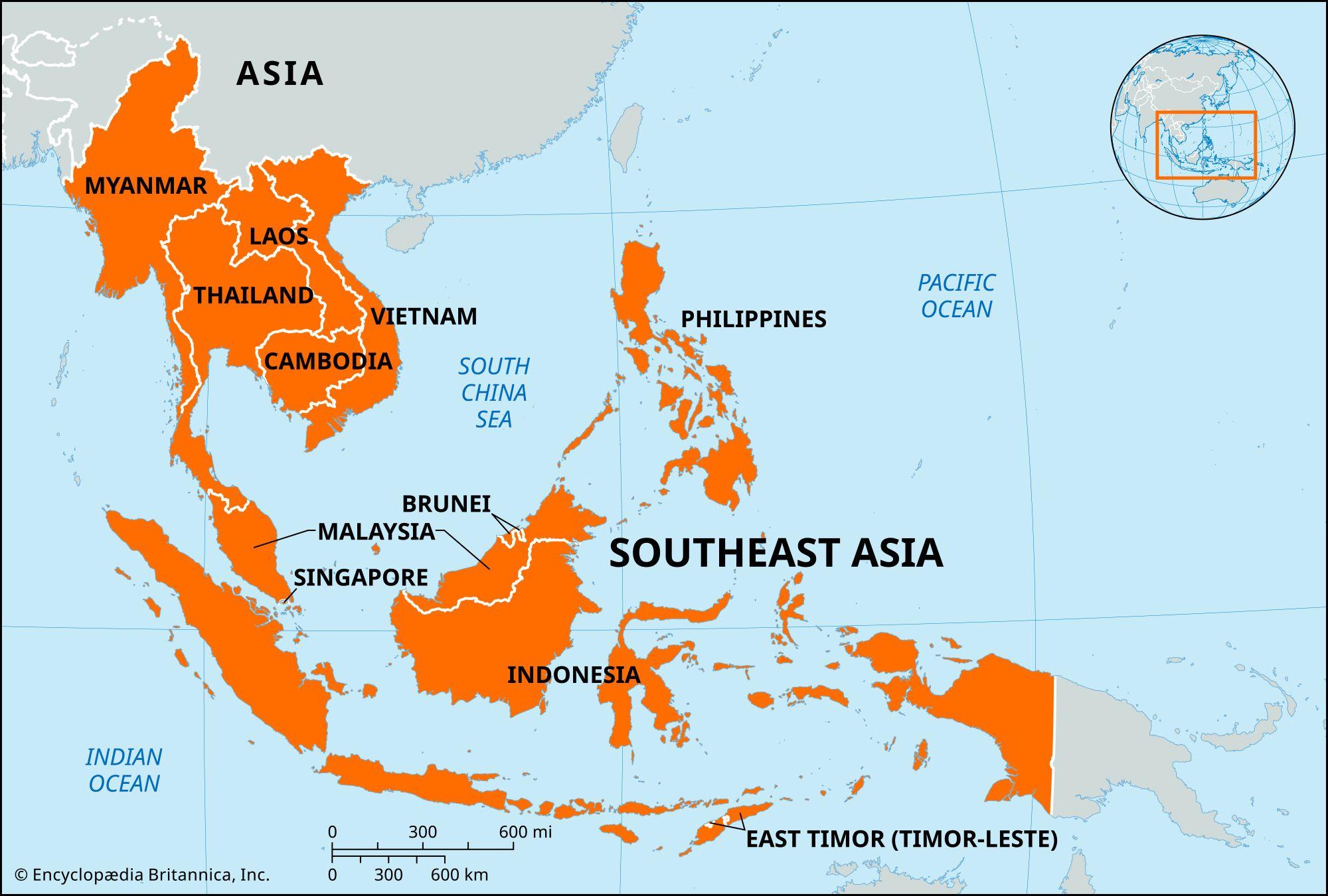
In recent years, Southeast Asia has grappled with a surge in misinformation and fraudulent activities linked to the COVID-19 pandemic, a phenomenon now dubbed the region’s ‘Scamdemic.’ As governments and health organizations raced to manage public health crises, opportunistic actors exploited the chaos to spread scams ranging from fake vaccines to forged medical documents. This article delves into the origins and evolution of Southeast Asia’s ‘Scamdemic,’ exploring the socio-political factors that enabled its rise and the ongoing efforts to combat misinformation in one of the world’s most dynamic and diverse regions.
The Rise of Misinformation in Southeast Asia’s Pandemic Response
The rapid spread of false information across Southeast Asian countries during the COVID-19 pandemic significantly impeded public health efforts and eroded trust in governmental institutions. Social media platforms became fertile grounds for conspiracy theories, fake cures, and misleading statistics, often magnified by influential figures with strong online followings. Governments struggled to contain both the virus and the epidemic of misinformation, which complicated vaccination drives and influenced compliance with safety protocols. The term “Scamdemic” emerged as a reflection of the widespread skepticism fueled by these coordinated disinformation campaigns, highlighting how health crises can be weaponized in the digital age.
Key factors contributing to the surge of misleading narratives include:
- Underdeveloped digital literacy: Many populations lacked the tools to critically evaluate the flood of pandemic-related content online.
- Distrust in authorities: Historical grievances and opaque messaging fostered skepticism towards official information sources.
- Echo chambers: Algorithmic biases reinforced users’ preexisting beliefs, allowing false information to thrive unchecked.
| Country | Prominent Misinformation Themes | Government Response |
|---|---|---|
| Indonesia | Fake herbal remedies, anti-vaccine myths | Massive fact-checking campaigns, partnerships with platforms |
| Philippines | Conspiracy theories on virus origin, fake cures | Community education initiatives, crackdown on fake news |
| Vietnam | Rumors on lockdowns, fraudulent aid schemes | Strict misinformation laws, increased transparency effort |
Key Players and Platforms Fueling the Scamdemic Spread
The proliferation of the so-called ‘scamdemic’ throughout Southeast Asia can largely be attributed to a handful of influential entities and digital platforms that have capitalized on public fear and uncertainty. Among the primary offenders are social media giants like Facebook and TikTok, whose algorithms have inadvertently amplified misleading content by prioritizing engagement over accuracy. These platforms became fertile ground for rapid misinformation dissemination, enabling fraudsters to exploit vulnerable populations with counterfeit medical advice, fake vaccines, and investment scams disguised as pandemic-related opportunities.
Behind the scenes, several groups and networks operated with alarming sophistication, leveraging encrypted messaging apps and anonymous channels to orchestrate wide-reaching campaigns. Key players include:
- Organized crime syndicates specializing in counterfeit medical products.
- Disinformation brokers who manufacture and distribute conspiracy theories for profit or political leverage.
- Unregulated online marketplaces acting as hubs for illicit sales and scams.
| Entity | Modus Operandi | Impact Region |
|---|---|---|
| Dark Web Syndicates | Fake vaccine sales | Indonesia, Philippines |
| Social Media Influencers | Spreading misinformation | Malaysia, Thailand |
| Encrypted Messaging Rings | Coordinated scams | Vietnam, Cambodia |
Strategies for Combating Health Misinformation in the Asia-Pacific Region
Addressing health misinformation in the Asia-Pacific region requires a multifaceted approach that blends culturally sensitive communication with robust digital literacy campaigns. Governments and NGOs are increasingly investing in community-driven initiatives to empower local influencers and health workers to disseminate accurate information. This grassroots engagement is crucial in countering deeply entrenched myths and conspiracy theories, particularly in rural or digitally underserved areas where false narratives can rapidly gain traction. Building trust through transparency and involving respected local figures can significantly reduce skepticism toward official health advisories.
Moreover, technological solutions are playing a pivotal role. Collaboration between social media platforms and regional authorities has led to the development of algorithms that identify and limit the spread of misleading content while promoting verified information sources. Educational programs focusing on digital hygiene and critical thinking are integrated into school curricula and adult learning workshops. Below is a snapshot of key strategies currently being deployed:
| Strategy | Description | Target Audience |
|---|---|---|
| Community Engagement | Partnering with local leaders to spread accurate health info | Rural & underserved communities |
| Digital Literacy Campaigns | Workshops on identifying and combating fake news | Students & adults |
| Platform Collaboration | AI tools to flag misinformation across social media | General online users |
| Transparency Initiatives | Clear, timely communication from health authorities | Entire population |
Insights and Conclusions
As Southeast Asia continues to grapple with the multifaceted impacts of the so-called ‘Scamdemic,’ understanding its origins remains crucial for policymakers and the public alike. This complex phenomenon, rooted in a mixture of misinformation, socio-economic vulnerabilities, and institutional shortcomings, underscores the need for greater transparency and accountability in the region’s governance. Moving forward, only through collaborative efforts and informed dialogue can Southeast Asia hope to rebuild trust and resilience against similar crises in the future.