

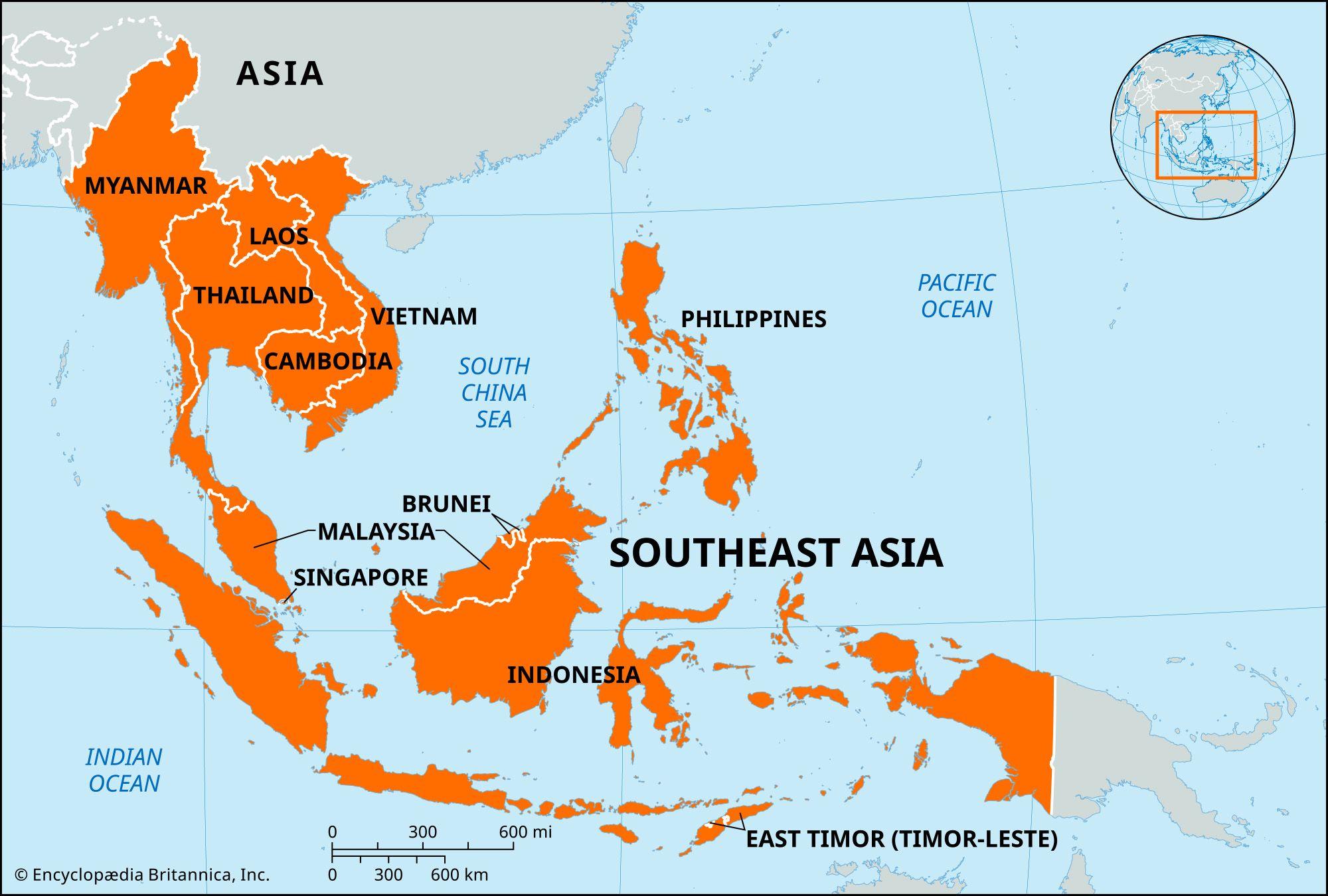
As Southeast Asia grapples with mounting economic pressures and shifting demographic trends, the region’s long-held commitment to universal healthcare faces unprecedented challenges. Governments across the bloc are confronting tough questions about the sustainability of their healthcare systems amid rising costs and increasing demand. In an exclusive report, the South China Morning Post explores whether Southeast Asia will have to reconsider or even abandon universal healthcare models that have been central to its social policies – signaling a potential paradigm shift in the region’s approach to public health provision.
Rising Costs and Economic Pressures Challenge Southeast Asia’s Universal Healthcare Models
Governments across Southeast Asia are increasingly grappling with the financial burdens posed by maintaining universal healthcare systems amidst surging costs. Factors such as aging populations, the rising prevalence of chronic diseases, and escalating prices for medical technologies are straining public budgets. Additionally, economic slowdowns linked to global uncertainties have reduced the fiscal space available for health expenditures, forcing policymakers to reconsider the sustainability of current models. This pressure threatens to widen health disparities just as demand for comprehensive coverage intensifies.
Key challenges confronting these healthcare frameworks include:
- Budget constraints: Limited public funds unable to keep pace with increasing patient needs and costly treatments.
- Resource allocation: Balancing urban and rural access while managing workforce shortages.
- Policy reforms: Navigating complex political landscapes to implement cost-saving measures without sacrificing quality.
| Country | Health Expenditure Growth (Annual %) | Coverage (%) | Projected Deficit (USD Billion) |
|---|---|---|---|
| Indonesia | 8.4 | 83 | 15 |
| Thailand | 5.1 | 99 | 7 |
| Vietnam | 7.0 | 89 | 9 |
| Philippines | 9.2 | 80 | 11 |
Policy Shifts and Innovation Key to Sustaining Healthcare Access Amidst Fiscal Constraints
Governments across Southeast Asia are confronting a difficult balancing act as fiscal pressures mount, threatening the sustainability of universal healthcare programs that have been lauded for their inclusivity. To navigate these challenges, policymakers are increasingly turning to innovation paired with strategic shifts in policy frameworks. Emphasizing efficiency and targeted resource allocation, several countries are piloting digital health platforms and telemedicine initiatives designed to reduce costs while expanding reach to underserved populations.
Key strategies being explored include:
- Implementing outcome-based financing models to optimize health expenditures
- Promoting public-private partnerships to enhance infrastructure and service delivery
- Leveraging data analytics for proactive population health management
- Encouraging community-based primary care with local stakeholder engagement
| Country | Innovation Focus | Expected Impact |
|---|---|---|
| Indonesia | Mobile health apps for rural access | Reduce travel barriers |
| Thailand | AI-powered diagnostics in clinics | Increase accuracy, lower costs |
| Vietnam | Community health worker training programs | Enhance early intervention |
Experts Advocate Targeted Subsidies and Public-Private Partnerships to Preserve Healthcare Equity
Facing mounting fiscal pressures and shifting demographic trends, healthcare experts emphasize the urgent need to refine funding models to safeguard equitable medical access across Southeast Asia. Rather than dismantling universal healthcare frameworks, specialists propose targeted subsidies aimed specifically at vulnerable populations such as low-income families, the elderly, and rural communities. By honing financial support where it is most needed, governments can optimize limited resources while ensuring that coverage remains inclusive and effective.
In tandem, industry analysts advocate for expanding public-private partnerships (PPPs) as a strategic approach to inject innovation, technology, and capital into healthcare systems. These collaborations could enhance service delivery, increase infrastructure capacity, and introduce efficiency improvements often hindered by public-sector budget constraints. The growing consensus is that blending public oversight with private sector agility will help preserve the core tenets of universal healthcare without sacrificing quality or access.
- Targeted Subsidies: Prioritize groups based on socioeconomic and health-risk criteria.
- Public-Private Partnerships: Leverage private sector expertise to expand healthcare infrastructure.
- Resource Optimization: Allocate funds effectively to reduce waste and enhance impact.
| Strategy | Main Benefit | Implementation Challenge |
|---|---|---|
| Targeted Subsidies | Increased equity | Accurate beneficiary identification |
| Public-Private Partnerships | Improved infrastructure | Aligning public-private goals |
| Resource Optimization | Cost containment | Monitoring and accountability |
Closing Remarks
As Southeast Asia grapples with rising healthcare costs, demographic shifts, and the lasting impacts of the COVID-19 pandemic, the future of universal healthcare in the region remains uncertain. Policymakers face the delicate task of balancing sustainability with equitable access, as debates intensify over potential reforms and funding models. Whether the promise of universal healthcare can be preserved-or must be fundamentally restructured-will be a defining challenge for Southeast Asia in the years ahead. The coming changes will not only shape health outcomes but also reflect broader economic and social transformations across the region.