

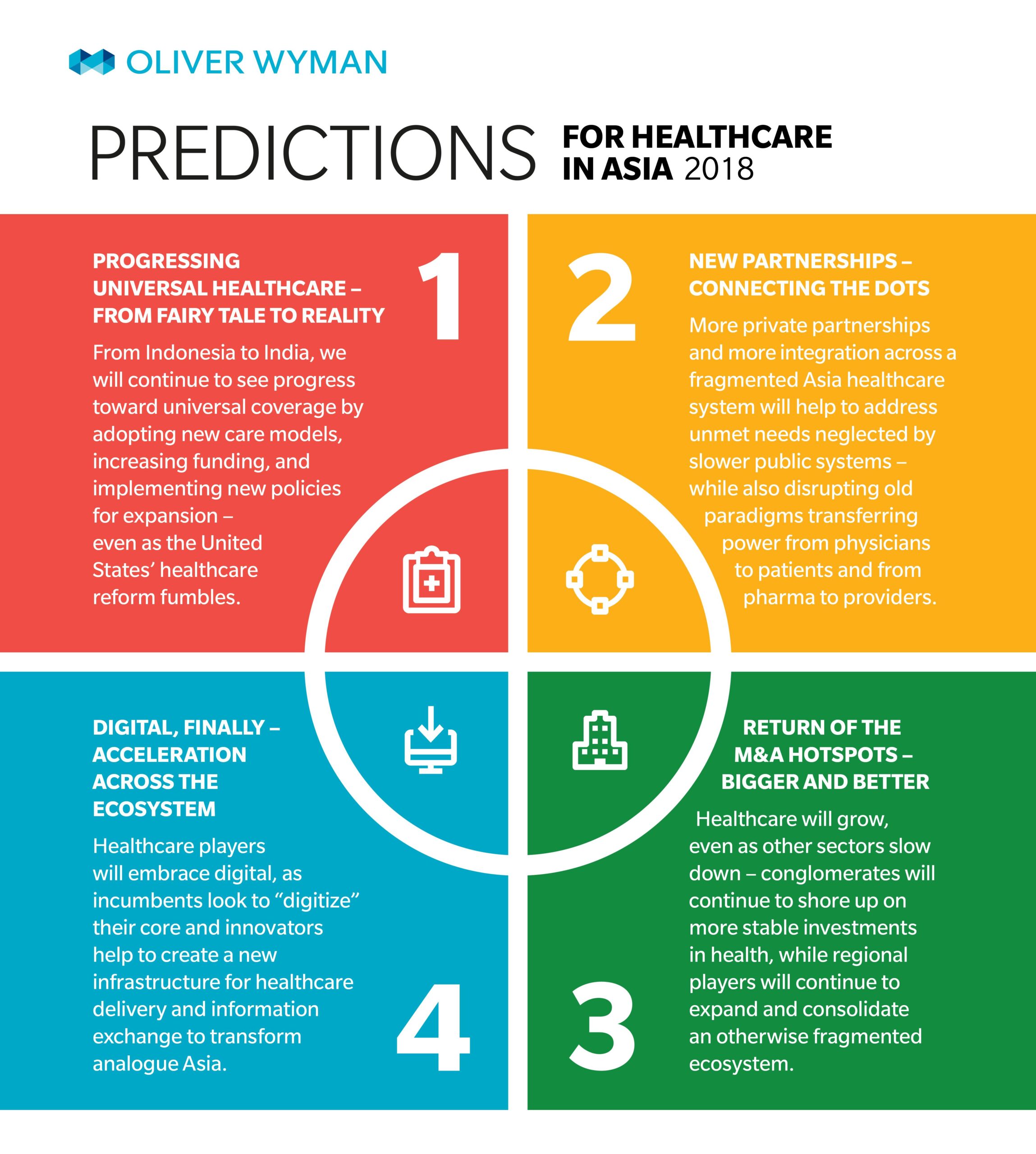
As Asia accelerates its adoption of digital technologies, the region stands on the brink of a healthcare revolution. McKinsey & Company’s latest report sheds light on the emergence of integrated digital health ecosystems poised to transform patient care, streamline healthcare delivery, and address long-standing challenges across diverse populations. From telemedicine breakthroughs to advanced data analytics, these innovations signal a future where technology and healthcare converge to create more accessible, efficient, and personalized medical services throughout Asia. This article explores the key insights and implications of McKinsey’s findings on the rapidly evolving landscape of Asian healthcare.
Digital Transformation Driving Patient-Centered Care Across Asia’s Healthcare Landscape
Across Asia, healthcare providers are leveraging digital technologies to shift from traditional models to more patient-centric approaches. This evolution is driven by the integration of AI-powered diagnostics, telemedicine platforms, and personalized health tracking, all aimed at enhancing accessibility and improving outcomes. Countries with diverse healthcare infrastructures are embracing mobile health applications to reach underserved populations, while urban centers are deploying advanced data analytics to optimize resource allocation and inform clinical decisions.
The rise of interconnected digital health ecosystems is also fostering collaboration between hospitals, insurers, and technology firms. Key features transforming care include:
- Real-time patient monitoring through wearable devices
- Seamless sharing of electronic health records across providers
- Virtual consultation networks reducing wait times and travel needs
| Country | Key Technology | Impact |
|---|---|---|
| Singapore | AI Diagnostic Tools | Enhanced early detection |
| India | Telemedicine Networks | Expanded rural access |
| Japan | Robotic Care Assistants | Improved elderly care |
Building Integrated Digital Health Ecosystems to Enhance Accessibility and Efficiency
As healthcare systems across Asia grapple with growing populations and uneven resource distribution, the integration of digital technologies into healthcare infrastructure emerges as a pivotal solution. By linking hospitals, clinics, pharmacies, and telehealth platforms, these ecosystems foster seamless data exchange and coordination, breaking down traditional silos. This unified approach not only streamlines patient journeys but also accelerates diagnosis and treatment times, making healthcare services more accessible to remote and underserved communities. Key enablers such as AI-driven analytics, cloud-based records, and IoT-connected devices fuel this transformation, enabling real-time monitoring and personalized care at scale.
To better visualize the impact, consider the following comparative overview of healthcare accessibility before and after ecosystem integration:
| Metric | Pre-Integration | Post-Integration |
|---|---|---|
| Average Appointment Wait Time | 7 Days | 2 Days |
| Patient Data Accessibility | Limited, Paper-Based | Instant, Digital Records |
| Coverage in Rural Areas | 30% | 75% |
Beyond accessibility, these integrated digital networks enhance operational efficiency by optimizing resource utilization and reducing redundancies. Health providers can leverage predictive modeling to allocate staff and supplies dynamically, while patients benefit from streamlined appointment scheduling and follow-ups. Importantly, these ecosystems pave the way for continuous innovation – enabling rapid deployment of new technologies and services tailored to evolving population needs. As Asia faces complex health challenges, embracing integrated digital solutions represents a decisive step towards a more resilient and equitable healthcare future.
Strategic Recommendations for Policymakers and Providers to Accelerate Innovation and Adoption
To drive rapid progress in Asia’s digital health landscape, policymakers must prioritize regulatory agility that promotes experimentation and faster approvals without compromising patient safety. Clear frameworks for data privacy and interoperability standards are essential to foster trust and enable seamless collaboration among diverse stakeholders. Public-private partnerships should be expanded to leverage technological expertise and scale innovative solutions swiftly. Equally critical is investing in digital infrastructure, especially in underserved regions, to bridge the access gap and ensure equitable adoption of telemedicine, AI diagnostics, and remote monitoring technologies.
Healthcare providers, on the other hand, should adopt a patient-centric mindset by integrating digital tools that enhance care personalization and efficiency. Encouraging workforce reskilling and digital literacy will empower frontline staff to utilize emerging technologies effectively, transforming care delivery models. Providers and policymakers alike can benefit from adopting a data-driven approach, continuously assessing the impact of digital interventions through robust metrics. The following table highlights key areas requiring coordinated action to accelerate digital health adoption:
| Focus Area | Policy Approach | Provider Strategy |
|---|---|---|
| Regulatory Frameworks | Implement adaptive approvals & data governance | Align clinical protocols with digital innovations |
| Infrastructure Development | Expand broadband & tech access in rural zones | Invest in cloud platforms & telehealth services |
| Workforce Transformation | Fund digital literacy & training programs | Incorporate digital skills into clinical training |
| Data & Analytics | Create secure, interoperable health data systems | Leverage analytics to personalize patient care |
To Wrap It Up
As Asia stands at the forefront of a digital revolution in healthcare, the emergence of integrated digital health ecosystems promises to redefine patient care and operational efficiency across the region. With technology-driven solutions gaining momentum, stakeholders from government bodies to private enterprises are poised to collaborate in building resilient, accessible, and personalized healthcare frameworks. The future of healthcare in Asia will likely be shaped by the strategic adoption of digital tools, data analytics, and innovative partnerships-laying the groundwork for a more connected and patient-centric landscape. McKinsey & Company’s insights underscore the urgency and opportunity for the region to harness these advancements, ensuring that the benefits of digital transformation reach all corners of Asia’s diverse populations.