

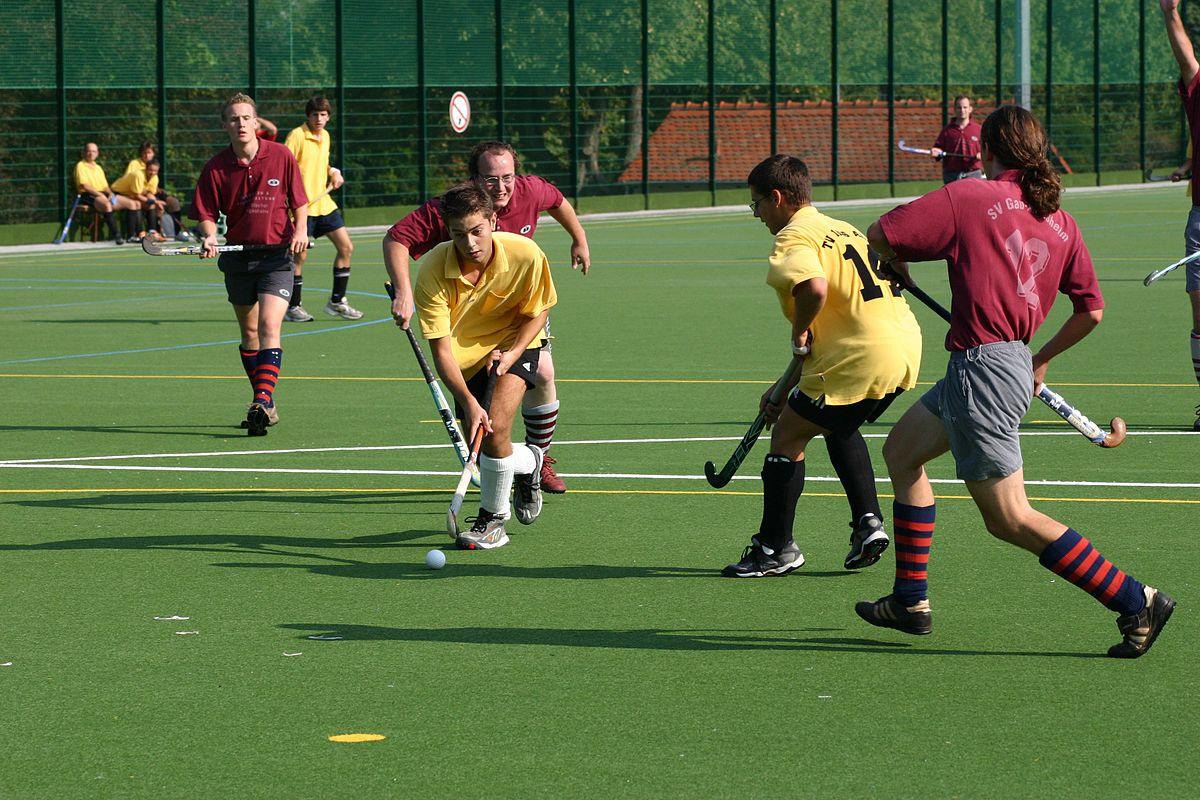
The Pakistan government is reportedly unlikely to grant permission for its hockey teams to travel to India for upcoming major tournaments, including the Asia Cup and the Junior World Cup. This development comes amid ongoing political tensions between the two countries, creating uncertainty around Pakistan’s participation in these high-profile events scheduled to be held in India. Stakeholders in the hockey fraternity await official confirmation, as the decision could have significant implications for the sport’s competitive landscape in the region.
Pakistan Government’s Reluctance to Permit Hockey Teams’ Travel to India Raises Diplomatic Concerns
The ongoing hesitation by the Pakistan government to approve travel permissions for its hockey teams heading to India has ignited fresh concerns among sports and diplomatic circles. This decision affects Pakistan’s participation in major upcoming events such as the Asia Cup and the Junior World Cup, highlighting the intricate link between sports diplomacy and geopolitical tensions. Authorities have cited “security concerns” and the “current political climate” as primary reasons for withholding travel clearances, despite efforts from sports federations advocating for uninterrupted sporting exchanges between the two nations.
The reluctance has prompted reactions from various stakeholders, including international sports bodies urging dialogue and cooperation. Experts emphasize that such restrictions not only undermine the spirit of sportsmanship but also stall potential avenues for improving bilateral ties. Key implications include:
- Disruption in player development and competitive exposure
- Economic impact on event organization and sponsorships
- Negative message to fans and wider regional cooperation efforts
| Event | Date | Status |
|---|---|---|
| Asia Cup | August 2024 | Travel Permission Pending |
| Junior World Cup | September 2024 | Uncertain Participation |
Impact on Pakistan’s Performance at Asia Cup and Junior World Cup in India
Pakistan’s potential withdrawal from participating in India-hosted tournaments like the Asia Cup and Junior World Cup could significantly disrupt the team’s competitive rhythm and international visibility. Historically, these events have provided crucial exposure to high-caliber opponents, aiding in the development of young talent and offering valuable match experience on a continental stage. Missing out on these opportunities may hamper the progress of emerging players and affect the senior squad’s readiness for future global contests. Analysts suggest that the lack of international engagement might weaken Pakistan’s standing in Asian hockey rankings, as consistent competition is key to maintaining momentum.
The implications extend beyond just player development. Supporters and hockey federations alike anticipate that Pakistan’s absence would impact:
- Team morale: Reduced motivation impacting on-ground performance.
- Scouting and talent exposure: Fewer chances for young athletes to be noticed on big platforms.
- Regional hockey dynamics: Potential shift in competitive balance, benefiting rival teams.
- Diplomatic sports relations: A further stall in sporting engagement between India and Pakistan.
| Tournament | Last Participation | Pakistan’s Finish | Key Player Highlight |
|---|---|---|---|
| Asia Cup 2022 | 2022 | 3rd Place | Talha Talib (Forward) |
| Junior World Cup 2021 | 2021 | Quarterfinals | Ahmed Imran (Goalkeeper) |
Recommendations for Diplomatic Engagement to Ensure Sports Participation and Regional Cooperation
To navigate the sensitive geopolitical climate while promoting uninterrupted sports participation, diplomatic channels must prioritize open dialogue and sustained engagement. Encouraging backdoor diplomacy, involving sports federations and foreign ministries, can create neutral grounds for consensus-building. Facilitating regular meetings between Pakistan and India’s sports authorities could ease tensions and foster mutual trust, enabling teams to travel safely for tournaments like the Asia Cup and Junior World Cup. Emphasizing the role of sports as a bridge for peace and regional harmony will be crucial in shifting the narrative away from politics toward shared cultural values.
Key recommendations to strengthen diplomatic efforts include:
- Establishing a bi-national sports diplomacy task force to monitor and resolve travel or security issues swiftly.
- Encouraging third-party mediation by international sports bodies such as the International Hockey Federation (FIH) to guarantee neutrality.
- Implementing confidence-building measures like joint training camps and friendly matches in neutral countries to maintain sporting ties.
- Leveraging regional forums (e.g., SAARC, SCO) to institutionalize cooperation frameworks that integrate sports diplomacy.