

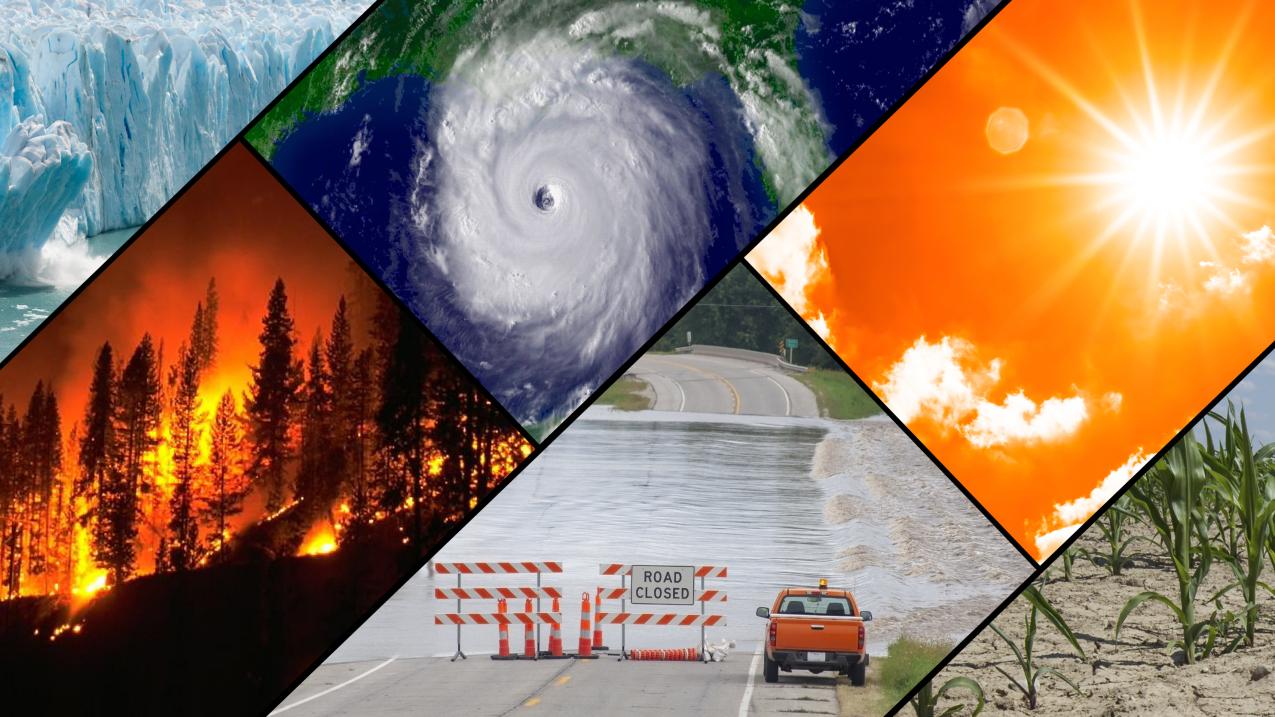
A groundbreaking new report reveals that climate change is now linked to nearly 20% of dengue fever cases across the Americas and Asia, underscoring a growing public health crisis fueled by shifting weather patterns. As rising temperatures and altered rainfall create ideal breeding conditions for the Aedes mosquitoes that transmit the virus, health experts warn that combating dengue requires urgent climate action alongside traditional disease control measures. This emerging connection highlights the broader impact of global warming on infectious diseases and poses significant challenges for health systems in vulnerable regions.
Climate Change Drives Surge in Dengue Cases Across Americas and Asia
Rising global temperatures and shifting precipitation patterns have created ideal breeding conditions for Aedes mosquitoes, the primary vectors transmitting dengue fever. Recent studies indicate that nearly 20% of dengue infections in the Americas and Asia can now be attributed to climate change, marking a significant uptick in disease incidence over the past decade. Urban heat islands and increased humidity levels foster mosquito proliferation, expanding their geographic reach into previously unaffected regions and lengthening transmission seasons. Health systems in vulnerable cities are grappling with surging cases, placing added strain on public health infrastructure.
Key climatic factors influencing the spread include:
- Higher average temperatures accelerating viral replication within mosquitoes
- Altered rainfall patterns creating stagnant water pools for larval development
- Extreme weather events disrupting vector control programs
Governments and international agencies are being urged to integrate climate data into dengue forecasting models to enhance early warning capabilities. A comparative overview of dengue case trends linked to climate variables reveals alarming correlations:
| Region | Increase in Avg. Temp (°C) | % Rise in Dengue Cases | Climate-Attributable % of Cases |
|---|---|---|---|
| South America | 1.3 | 35% | 18% |
| Southeast Asia | 1.0 | 29% | 19% |
| Caribbean | 1.5 | 40% | 20% |
The data underscores the urgent need for coordinated climate-health policies and investments to curb the silent expansion of dengue, emphasizing the interdependence of environmental stewardship and public health resilience.
Understanding the Link Between Rising Temperatures and Mosquito-Borne Diseases
Rising global temperatures are significantly expanding the habitats where mosquitoes thrive, leading to an alarming surge in mosquito-borne diseases such as dengue, Zika, and chikungunya. Warmer climates accelerate the mosquito life cycle and viral replication within the insect, resulting in faster transmission and increased infection rates. Regions previously unaffected or with low incidence are now reporting outbreaks, posing new challenges for public health infrastructure. This trend correlates strongly with recent studies attributing nearly 20% of dengue cases in the Americas and Asia directly to climate change impacts.
Key factors driving this connection include:
- Longer breeding seasons due to milder winters and earlier springs
- Increased rainfall leading to more stagnant water sites for larvae development
- Urban heat islands exacerbating localized temperature rises
- Human migration and urbanization combined with shifting mosquito ranges
| Region | Increase in Dengue Cases (%) | Attributed to Climate Change (%) |
|---|---|---|
| South America | 35 | 18 |
| Southeast Asia | 42 | 19 |
| Caribbean | 30 | 17 |
Targeted Health Policies Needed to Combat Climate-Induced Dengue Outbreaks
As the frequency and intensity of dengue outbreaks surge due to shifting climate patterns, there is an urgent call for tailored health policies that address the unique challenges posed by climate change. Traditional vector control strategies alone are no longer sufficient. Governments across the Americas and Asia must integrate climate data with public health surveillance to anticipate outbreak hotspots, enabling proactive community engagement and resource allocation. Key policy actions should emphasize:
- Investment in localized climate monitoring and early warning systems.
- Enhanced cross-sector collaboration between meteorological, health, and urban planning agencies.
- Strengthening healthcare infrastructure in vulnerable regions to manage surge capacity.
- Community-driven education programs focused on climate-adaptive vector control.
To illustrate the shifting dengue burden driven by climate factors, consider the following comparative data on reported cases before and after the recent climate anomalies:
| Region | 2010-2014 Avg Cases | 2020-2024 Avg Cases | Increase Attributable to Climate (%) |
|---|---|---|---|
| Caribbean | 120,000 | 165,000 | 22 |
| South America | 430,000 | 520,000 | 18 |
| South Asia | 300,000 | 380,000 | 16 |
These data underscore the necessity for flexible and climate-responsive public health frameworks that can mitigate risks before outbreaks spiral out of control. Without decisive policy transformation, the burden of dengue-exacerbated by our changing climate-will continue to strain health systems and communities alike.
Final Thoughts
As the evidence mounts linking climate change to a surge in dengue cases across the Americas and Asia, health experts and policymakers face an urgent call to action. With nearly one fifth of infections now attributed to shifting weather patterns, the intersection of environmental and public health challenges demands integrated strategies that address both disease control and climate mitigation. Moving forward, coordinated efforts at local, national, and international levels will be essential to safeguard vulnerable populations and curb the expanding threat of climate-driven vector-borne diseases.