

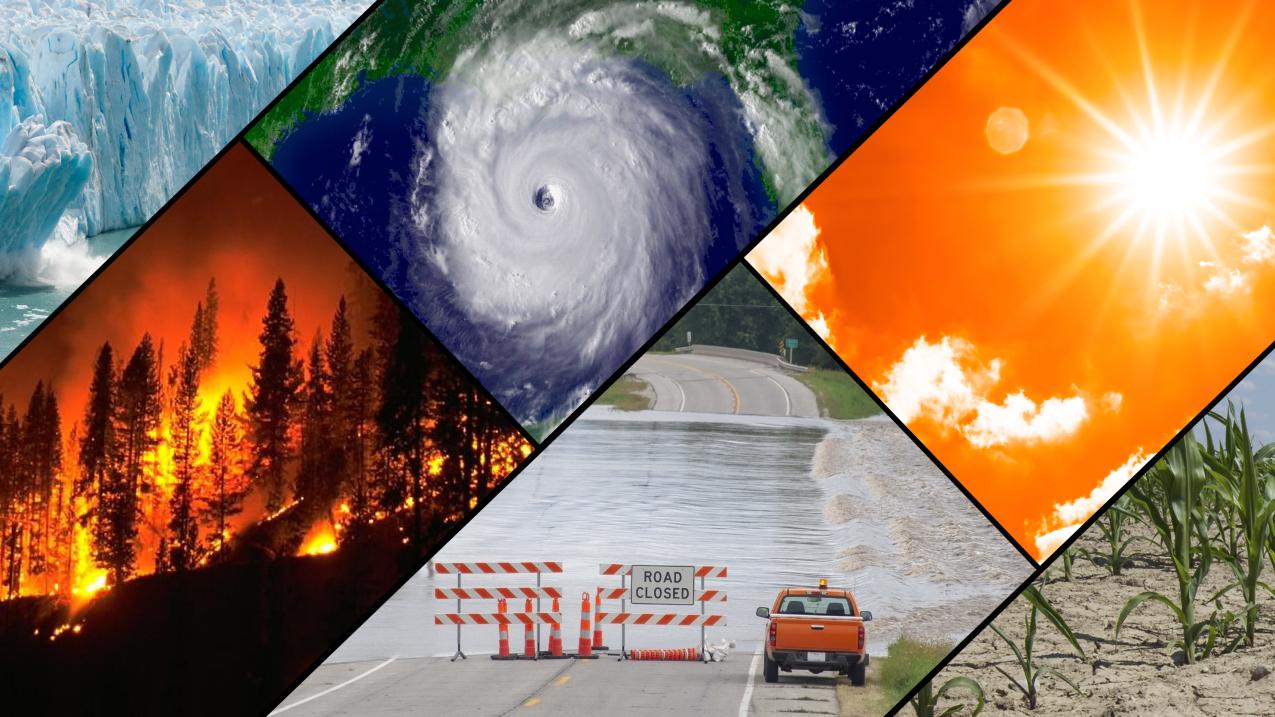
The World Health Organization (WHO) has released a comprehensive review spotlighting climate change and health initiatives across South-East Asia Regional Office (SEARO) member states. As the region grapples with escalating climate-related health challenges, this report provides critical insights into ongoing efforts, achievements, and gaps in addressing the intersection of environmental shifts and public health. With rising temperatures, extreme weather events, and shifting disease patterns threatening communities, the WHO’s review underscores the urgent need for strengthened policies and coordinated action to protect vulnerable populations in one of the world’s most climate-sensitive regions.
Climate Change Impacts on Public Health Across SEARO Member States
Across the SEARO region, shifting climate patterns are exerting significant pressure on public health systems. Increased frequency of extreme weather events such as floods and heatwaves has led to a rise in vector-borne diseases including dengue, malaria, and chikungunya. Vulnerable populations, especially children, the elderly, and those in low-income communities, face amplified health risks due to limited access to adaptive infrastructure and healthcare services. Waterborne illnesses also show seasonal spikes linked to changes in rainfall and temperature, aggravating challenges to food security and nutrition.
Efforts to address these health crises vary markedly among member states, with a growing emphasis on multisectoral approaches integrating climate resilience into healthcare planning. Key activities reported include:
- Enhanced disease surveillance systems to track climate-sensitive health conditions in real time.
- Community engagement programs promoting education on climate risks and health precautionary measures.
- Strengthening healthcare infrastructure to withstand climate-induced disruptions.