

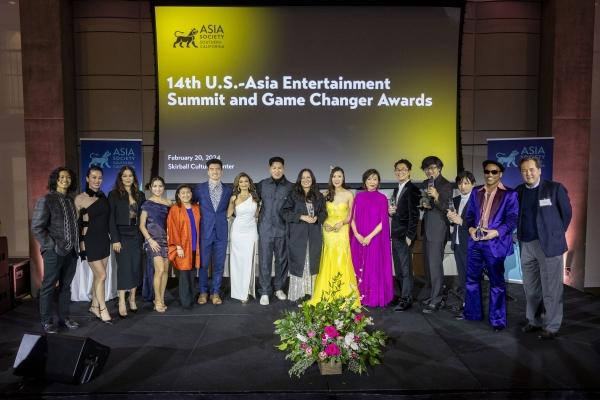
The U.S.-Asia Entertainment Summit hosted by Asia Society recently brought together industry leaders, creators, and advocates to address the evolving landscape of Asian representation in animation. As the demand for diverse storytelling grows, the summit highlighted critical conversations around authenticity, inclusion, and the challenges faced by Asian talent in Hollywood and beyond. This gathering marks a pivotal moment in understanding how animation can serve as a powerful medium to reshape narratives and amplify Asian voices on a global stage.
Challenges and Opportunities in Asian Representation Within U.S. Animation Industries
The landscape of Asian representation in U.S. animation is evolving, yet it continues to encounter significant obstacles. Despite the growing demand for diverse narratives, many Asian characters remain relegated to stereotypical roles or background figures, limiting authentic cultural expression. Industry gatekeepers often lack sufficient understanding of nuanced Asian identities, which contributes to underdeveloped characters and missed storytelling opportunities. Additionally, Asian talent faces challenges in gaining leadership positions, reinforcing a cycle where diverse perspectives are underrepresented in creative decision-making processes.
However, this environment also presents promising avenues for growth and change. Recent collaborations between U.S. studios and Asian creators have fostered more culturally rich content, demonstrating the commercial viability of diverse stories. Key opportunities include:
- Inclusive hiring practices aimed at boosting Asian voices in writing, directing, and production roles.
- Expanding mentorship programs that connect emerging Asian artists with established industry professionals.
- Cross-cultural storytelling partnerships leveraging technology and global markets.
| Challenge | Opportunity |
|---|---|
| Stereotypical portrayals | Authentic character development |
| Lack of Asian leadership roles | Mentorship and training initiatives |
| Limited screen time | Collaborative cross-border projects |
| Underfunded diverse projects | Investment in culturally specific narratives |
Insights from Leading Creators on Authentic Storytelling and Cultural Nuance
At the heart of the summit’s discussions was a collective emphasis on the power of authentic storytelling to bridge cultural gaps and enrich the animation landscape. Leading creators shared that genuine representation goes beyond surface-level inclusion-it requires a deep engagement with cultural histories, traditions, and everyday lived experiences. Many underscored the importance of collaboration with cultural consultants and community voices to avoid stereotypes and ensure narratives resonate meaningfully with both Asian and global audiences. This approach was described as not only ethically essential but also commercially viable, as viewers increasingly seek diverse stories that reflect real-world complexity.
The panelists highlighted several key strategies to effectively weave cultural nuance into animated storytelling:
- Root stories in authentic environments: Designing settings and characters that reflect specific regional aesthetics and social contexts.
- Incorporate multilingual elements: Using native languages or dialects to enhance realism and honor linguistic diversity.
- Develop multi-dimensional characters: Moving away from monolithic portrayals to showcase varied personalities and motivations within Asian identities.
- Engage diverse creative teams: Ensuring representation behind the scenes to drive authenticity in storytelling decisions.