

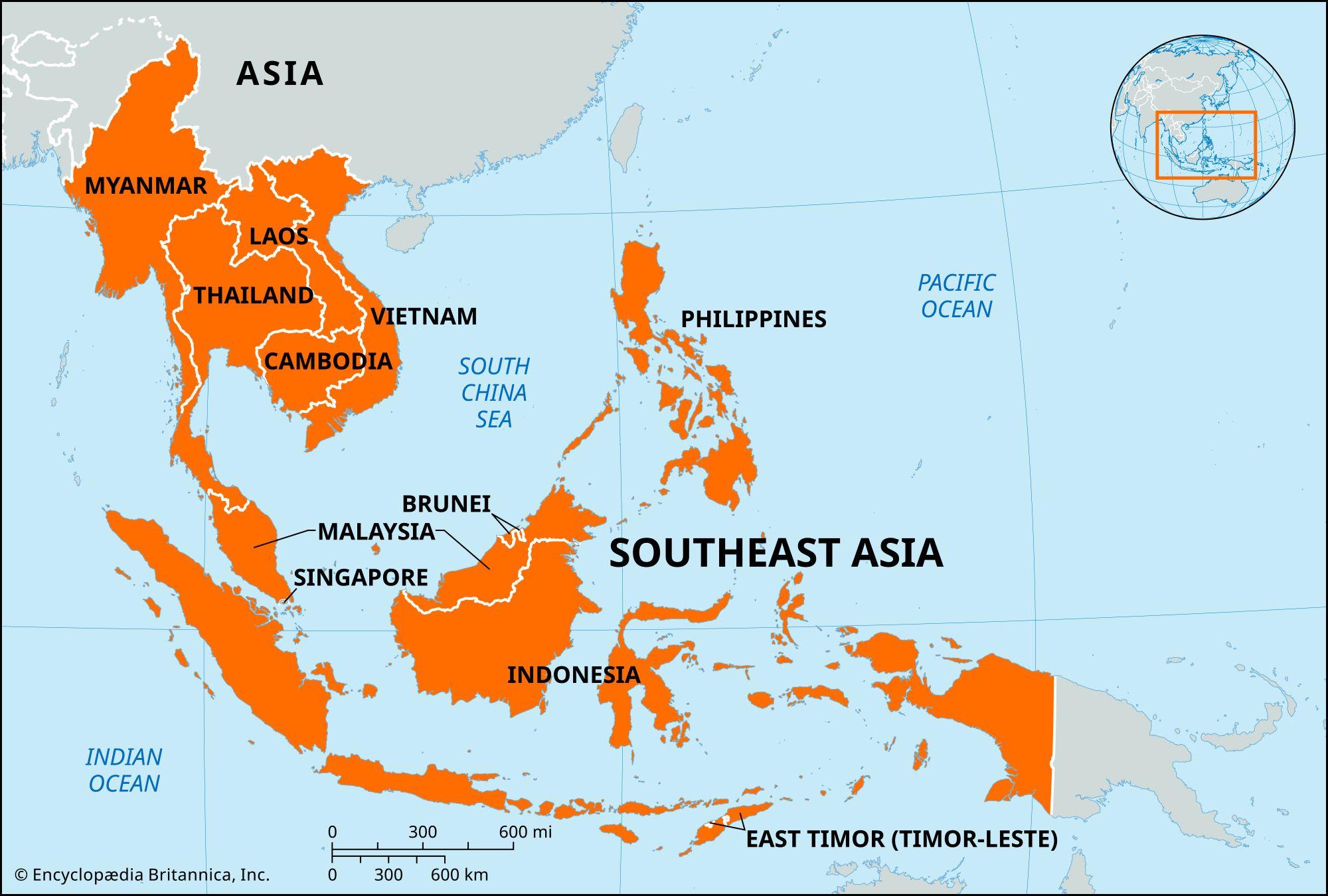
Southeast Asia is rapidly emerging as a critical frontier in the global race for advanced technologies, particularly in semiconductor manufacturing and artificial intelligence (AI). As nations worldwide seek to diversify supply chains and bolster innovation ecosystems, the region’s unique blend of strategic location, growing talent pools, and favorable economic policies positions it as a promising destination for foreign direct investment (FDI) in these high-tech sectors. A recent report from the Wilson Center offers a comprehensive 360° analysis on how Southeast Asian countries can enhance their appeal to international chipmakers and AI developers, outlining the challenges to overcome and opportunities to seize. This article delves into the Wilson Center’s findings, shedding light on strategies that could transform Southeast Asia into a vibrant hub for cutting-edge technology investment.
Southeast Asia’s Strategic Position in the Global Chips and AI Supply Chain
Southeast Asia occupies a pivotal role in the evolving landscape of the global semiconductor and artificial intelligence (AI) supply chains, serving as a vital junction between raw material sources and advanced manufacturing hubs. Nations like Singapore, Malaysia, and Vietnam have steadily become indispensable players by leveraging their strategic location, skilled labor force, and increasingly sophisticated infrastructure. This region benefits from robust connectivity to major chip-producing countries such as South Korea, Taiwan, and China, while also offering competitive advantages like cost-effective production and access to emerging markets in Asia-Pacific. Governments here have prioritized policies aimed at enhancing supply chain resilience, including incentives for technology transfer and public-private partnerships that facilitate innovation ecosystems.
Key factors shaping Southeast Asia’s competitiveness include:
- Integrated logistics networks that enable efficient cross-border movement of semiconductors and AI components.
- Expanding research & development centers focusing on AI algorithms and chip design, attracting top talent from around the globe.
- Supportive regulatory frameworks fostering foreign direct investment (FDI) with tax holidays and streamlined customs procedures.
| Country | Major Strength | Recent FDI Growth (%) |
|---|---|---|
| Singapore | Advanced R&D hubs | 18 |
| Malaysia | Semiconductor manufacturing | 12 |
| Vietnam | Skilled labor & assembly | 15 |
Policy Reforms and Infrastructure Investments to Boost Foreign Direct Investment
Revamping regulatory frameworks has emerged as a critical strategy for Southeast Asian governments aiming to attract sustained foreign direct investment in the rapidly evolving chips and AI sectors. Streamlining bureaucratic processes, enhancing transparency, and offering targeted incentives such as tax breaks or expedited approvals are instrumental in building investor confidence. Crucially, harmonizing intellectual property protections and data privacy regulations with global standards not only safeguards innovators but also signals a commitment to fostering a competitive, secure environment. This regulatory clarity creates fertile ground for international corporations seeking stable and predictable markets for their high-tech ventures.
On the infrastructure front, investments in next-generation industrial parks and dedicated AI research hubs are transforming the regional landscape. Governments are prioritizing state-of-the-art connectivity, reliable power supply, and integrated logistics networks tailored to the specific demands of chip manufacturing and AI development. Below is a snapshot of key infrastructure initiatives currently underway:
| Country | Project | Focus Area | Completion Year |
|---|---|---|---|
| Singapore | TechCorridor AI Hub | AI R&D and Startups | 2025 |
| Vietnam | High-Tech Industrial Zone | Chip Fabrication Plants | 2024 |
| Malaysia | Silicon Valley Initiative | Semiconductor Assembly | 2026 |
- Public-private partnerships enable efficient resource mobilization and technological transfer.
- Enhanced digital infrastructure supports large-scale data analytics and cloud computing essential for AI breakthroughs.
- Environmental sustainability measures ensure long-term viability while appealing to socially responsible investors.
Fostering Talent Development and Regional Collaboration for Sustainable Growth
Developing a robust talent pipeline remains a cornerstone for Southeast Asia’s ambition to become a competitive hub for chip manufacturing and artificial intelligence innovation. Governments and private sector stakeholders are increasingly focusing on upskilling local workforces through specialized training programs, partnerships with global tech firms, and enhanced STEM education initiatives. These efforts aim to equip young professionals with the advanced technical expertise and practical experience demanded by these capital-intensive industries. Moreover, fostering talent mobility between countries in the region accelerates knowledge transfer and nurtures a culture of continuous learning, which is vital for sustaining long-term growth.
Simultaneously, regional collaboration presents a significant opportunity to amplify collective strengths and attract diversified foreign direct investment. By integrating supply chains, harmonizing regulatory standards, and facilitating cross-border innovation hubs, Southeast Asian countries can overcome individual limitations and present a unified front to global investors. Key drivers of this strategy include:
- Establishing multi-country consortiums focused on R&D and infrastructure development
- Pooling resources for large-scale chip fabrication facilities
- Coordinating policies that enhance intellectual property protection
- Creating shared platforms for data and AI model exchanges