

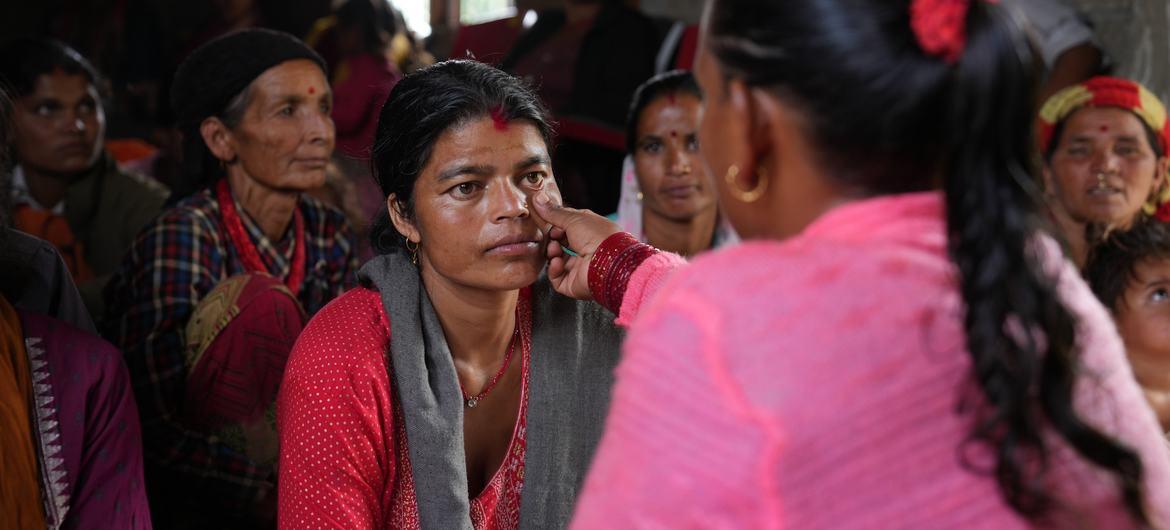
In South Asia, anaemia remains a pervasive health crisis, disproportionately affecting women and jeopardizing both their well-being and economic potential. According to recent reports highlighted by the United Nations, millions of women in the region suffer from this largely preventable condition, which impairs physical and cognitive development, reduces productivity, and perpetuates cycles of poverty. As governments and international organizations call for urgent action, addressing anaemia is emerging as a critical priority to safeguard the future of millions of women and unlock broader socio-economic progress across South Asia.
Anaemia’s Impact on Women’s Health in South Asia Deepening Economic Inequality Addressing Nutritional Deficiencies and Strengthening Healthcare Systems
Anaemia remains a pervasive health challenge, disproportionately affecting women across South Asia and exacerbating social and economic disparities. The condition not only compromises physical well-being but also diminishes productivity, limiting opportunities for education and employment. Many women in rural and underserved communities face barriers to accessing quality healthcare, which perpetuates a cycle of poor health and deepening poverty. Economic inequality is both a cause and consequence of widespread anaemia, as malnutrition and inadequate health services create obstacles that are difficult to overcome without systemic change.
Efforts to mitigate this crisis must focus on comprehensive strategies that tackle nutritional deficiencies and enhance healthcare infrastructure simultaneously. Key interventions include:
- Routine iron and folic acid supplementation programs targeting adolescent girls and pregnant women
- Nutrition education campaigns promoting diverse and iron-rich diets
- Strengthening primary healthcare centers with better training and resources for anaemia screening and treatment
- Community engagement initiatives to reduce stigma and encourage early health-seeking behavior
| Intervention | Impact Potential | Current Coverage (%) |
|---|---|---|
| Iron Supplementation | High | 45 |
| Nutrition Education | Moderate | 30 |
| Healthcare Strengthening | High | 25 |
| Community Engagement | Moderate | 20 |
Addressing anaemia in South Asia requires coordinated action from governments, NGOs, and local communities to ensure sustainable health improvements that empower women, reduce inequity, and foster economic resilience.
The Conclusion
As South Asia continues to grapple with the pervasive challenge of anaemia among women, the health and economic implications remain profound. Addressing this silent crisis requires coordinated efforts from governments, health organizations, and communities to implement effective nutrition and healthcare interventions. Without urgent action, millions of women risk compromised well-being and diminished economic opportunities, underscoring the critical need to prioritize anaemia prevention and treatment as part of broader development goals in the region.