

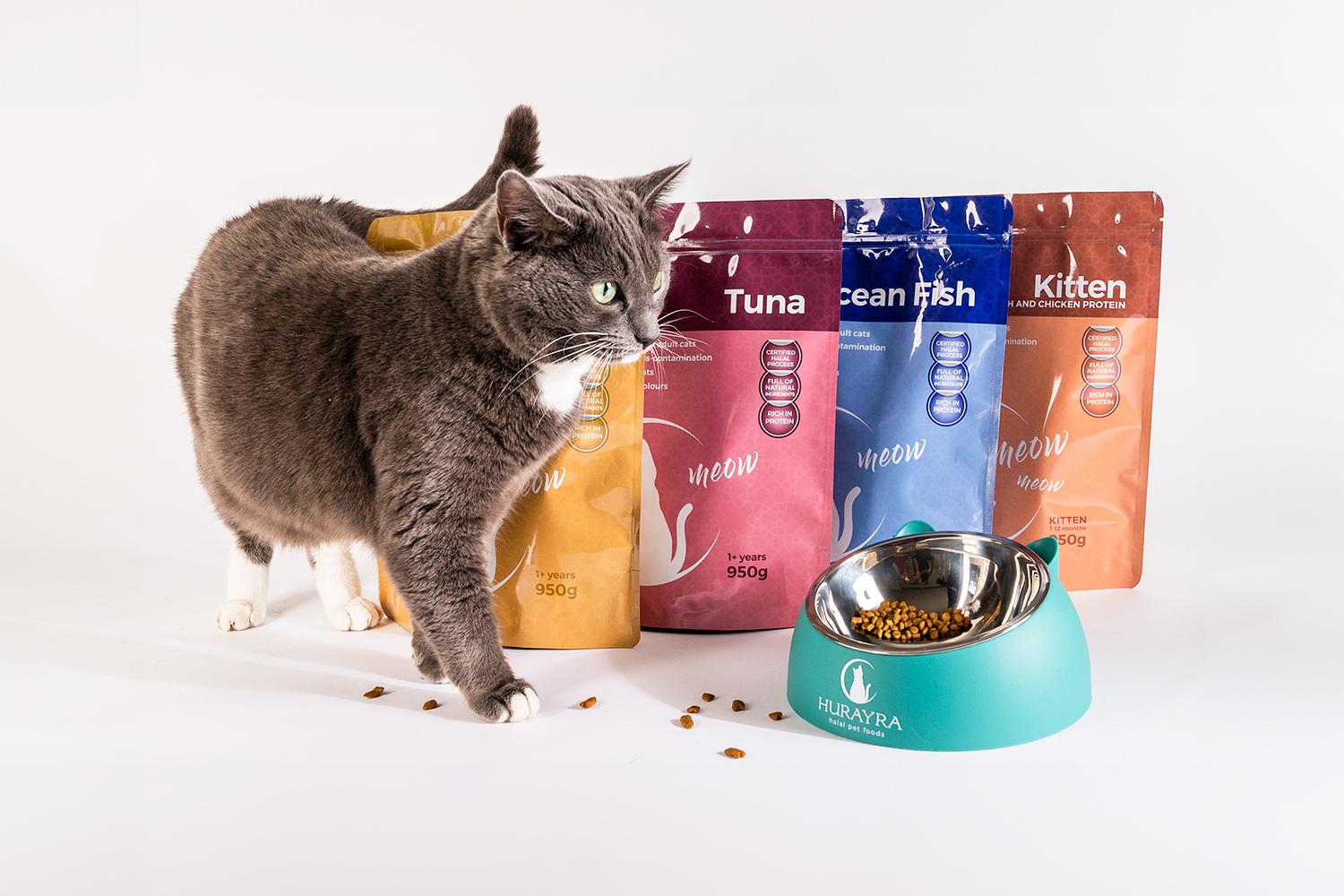
As Southeast Asia’s Muslim population continues to grow, so does the demand for products that align with halal principles-including pet food. Meeting the unique needs of these devout “pawrents,” the halal pet food industry is emerging as a significant market segment across the region. This development not only reflects changing consumer habits but also presents new challenges and opportunities for manufacturers and retailers striving to ensure that pets’ diets comply with religious dietary standards. The South China Morning Post explores how halal certification is reshaping pet care in Southeast Asia and what it means for pet owners committed to faith-based living.
Halal Pet Food Market Emerges in Southeast Asia Catering to Growing Muslim Community
The rise of halal pet food in Southeast Asia marks a significant shift in the pet care industry, driven by a rapidly expanding Muslim population eager to align their pet’s nutrition with religious dietary laws. This emerging market caters to ‘pawrents’ who prioritize halal-certified ingredients, ensuring their pets’ meals comply with Islamic standards. Industry insiders note that this trend is more than a niche appeal; it represents a substantial business opportunity as more pet owners seek transparency and authenticity in what they feed their furry companions.
Manufacturers are responding with innovative products emphasizing:
- Halal certification verified by trusted authorities
- Locally sourced meats adhering to ethical slaughter practices
- Natural ingredients free from harmful additives or alcohol-based preservatives
According to market analysis, the halal pet food segment is expected to grow at an annual rate of 15% over the next five years, propelled by consumer demand and regional investment. Below is a snapshot of projected market growth in key Southeast Asian countries:
| Country | Market Size 2024 (USD million) | Annual Growth Rate (%) |
|---|---|---|
| Malaysia | 85 | 18 |
| Indonesia | 120 | 16 |
| Thailand | 45 | 12 |
| Singapore | 30 | 15 |
Ensuring Authenticity and Quality in Halal Pet Products Through Rigorous Certification
In the burgeoning market of halal pet products, ensuring strict compliance with religious dietary laws is paramount for gaining the trust of Muslim pet owners. Rigorous certification processes by recognized halal authorities validate that every ingredient, from sourcing to processing, meets stringent Islamic standards. This meticulous scrutiny encompasses everything from the animal’s method of slaughtering to the hygiene protocols during manufacturing, guaranteeing that the final product is free from any prohibited substances. As a result, pet owners in Southeast Asia can confidently provide their furry companions with foods that align with their beliefs without compromise.
Beyond religious compliance, certification also serves as a hallmark of quality assurance, offering transparency in product sourcing and formulation. The involvement of third-party halal certifiers fosters accountability and bolsters consumer confidence. Some key pillars upheld in the certification process include:
- Traceability: Complete documentation of ingredient origins and handling
- Contamination control: Prevention of cross-contact with non-halal elements
- Regular audits: Continuous monitoring of manufacturing facilities
- Ingredient verification: Confirmation that all additives comply with halal requirements