

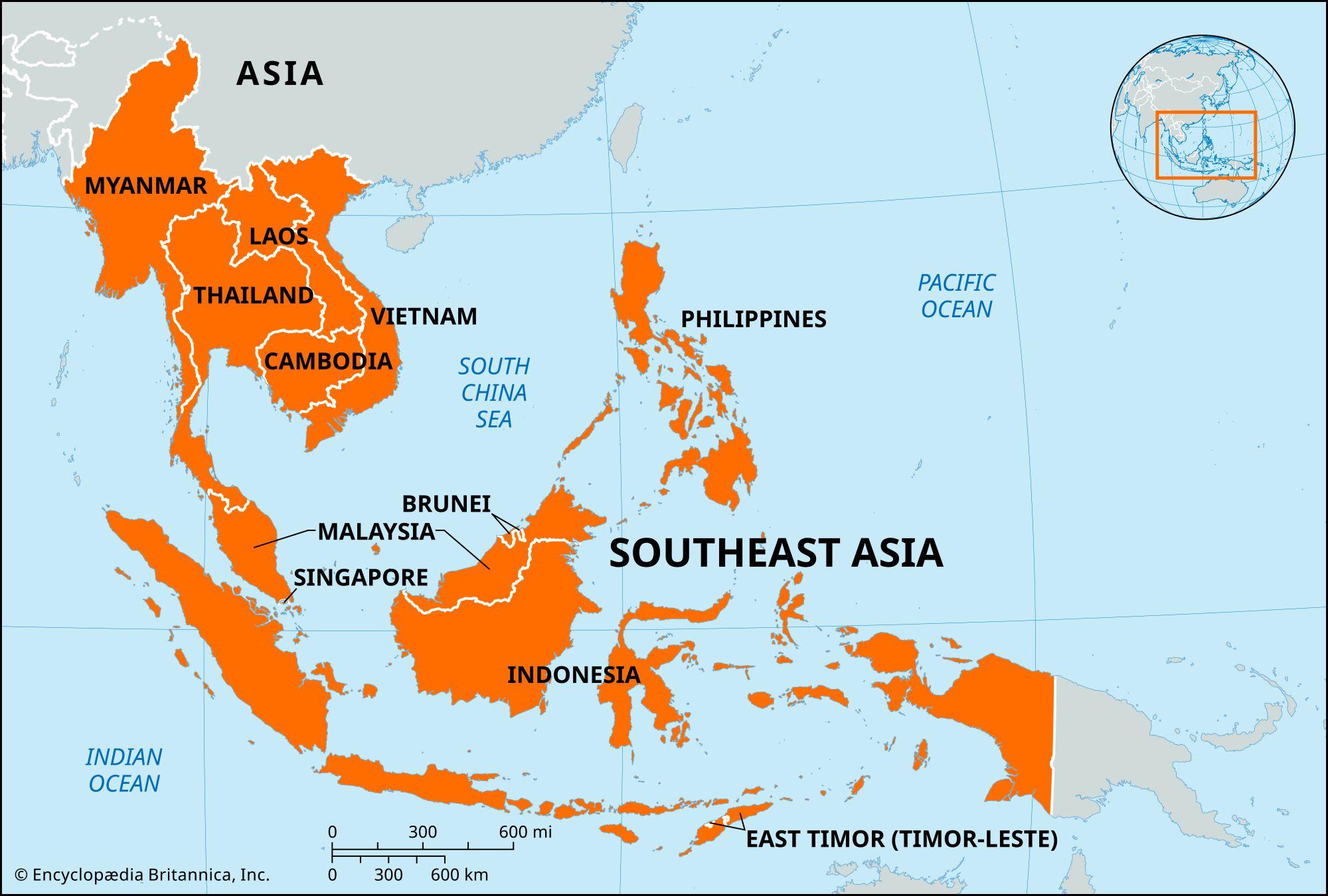
Southeast Asia’s health technology sector has seen a robust resurgence in funding during the first half of the year, with investment reaching $108 million, according to a recent report by Asian Business Review. This rebound reflects growing investor confidence in the region’s digital health innovations, as startups capitalize on increasing demand for tech-driven healthcare solutions amid ongoing shifts in patient care and medical services. The uptick marks a significant recovery following a period of slowed capital flow, signaling renewed momentum for health tech ventures across key Southeast Asian markets.
Southeast Asia Health Tech Investment Sees Strong Recovery in First Half
Southeast Asia’s health technology sector has demonstrated remarkable resilience, with investment figures bouncing back significantly after a subdued previous year. The region attracted a total of $108 million in funding during the first half of the year, signaling renewed investor confidence amid evolving healthcare demands and digital transformation. Key markets such as Singapore, Indonesia, and Vietnam led the surge, supported by robust startup ecosystems and government initiatives promoting digital healthcare adoption.
Several trends have emerged as notable drivers behind this momentum:
- Growth in telemedicine platforms addressing access challenges in rural areas.
- Increased funding for AI-powered diagnostics facilitating early detection and personalized treatment.
- Expansion of health data analytics startups improving patient outcomes and operational efficiency.
| Country | H1 2023 Investment ($M) | YoY Growth (%) |
|---|---|---|
| Singapore | 45 | +32% |
| Indonesia | 30 | +45% |
| Vietnam | 20 | +28% |
| Others | 13 | +20% |
Key Sectors Driving Growth and Innovation in Regional Health Technology
Across Southeast Asia, several sectors stand out as engines of growth and innovation within the health technology landscape. Telemedicine platforms have seen rapid adoption, fueled by increased internet penetration and a growing middle-class demand for accessible healthcare solutions. These platforms are bridging urban-rural healthcare disparities by providing remote consultations and digital prescriptions, ultimately reducing the strain on physical clinics. Meanwhile, health data analytics startups are empowered by advanced AI algorithms to deliver predictive diagnostics and personalized care plans, making health management more proactive and patient-centric.
Another burgeoning sector gaining momentum is medical devices and wearable technology. Startups are developing affordable, home-use diagnostic tools and continuous health monitoring wearables that are tailored to regional health challenges such as diabetes and cardiovascular diseases. Below is a snapshot of investment distribution by key sector in the first half of the year, illustrating the diversified interest driving the market’s resurgence:
| Sector | Funding ($M) | Innovation Focus |
|---|---|---|
| Telemedicine | 45 | Remote Consultations |
| Health Data Analytics | 30 | AI Diagnostics |
| Wearables & Devices | 20 | Continuous Monitoring |
| Pharma Tech | 13 | Supply Chain Optimization |
Strategic Recommendations for Startups to Capitalize on Renewed Funding Momentum
To successfully harness the surge in health tech investments, startups should prioritize innovation that directly addresses local healthcare challenges within Southeast Asia. Fostering strategic partnerships with established healthcare providers can accelerate market penetration and build credibility, while leveraging data analytics and AI can optimize patient outcomes and operational efficiency. Additionally, startups that emphasize scalable technology solutions and regulatory compliance stand to gain a competitive advantage in the evolving funding landscape.
Equally important is a focused approach to capital deployment. Founders would benefit from allocating resources towards expanding digital infrastructure and enhancing user engagement platforms. Key strategic actions include:
- Building cross-border networks to access regional market insights.
- Investing in talent acquisition with expertise in both tech and healthcare.
- Adopting agile development cycles to respond promptly to policy changes.
- Scaling pilot projects to demonstrate tangible value to investors.
| Focus Area | Recommended Action | Impact |
|---|---|---|
| Technology | Implement AI for diagnostics | Improved accuracy & efficiency |
| Partnerships | Collaborate with hospitals | Faster market access |
| Funding Use | Expand user platforms | Higher customer retention |
Key Takeaways
As Southeast Asia’s health tech sector regains momentum with $108 million in funding during the first half of the year, investors appear increasingly confident in the region’s digital healthcare potential. This rebound signals renewed optimism for startups striving to address the region’s unique medical challenges through technology. Moving forward, sustained investment will be critical to fostering innovation and expanding access to quality healthcare across Southeast Asia.