

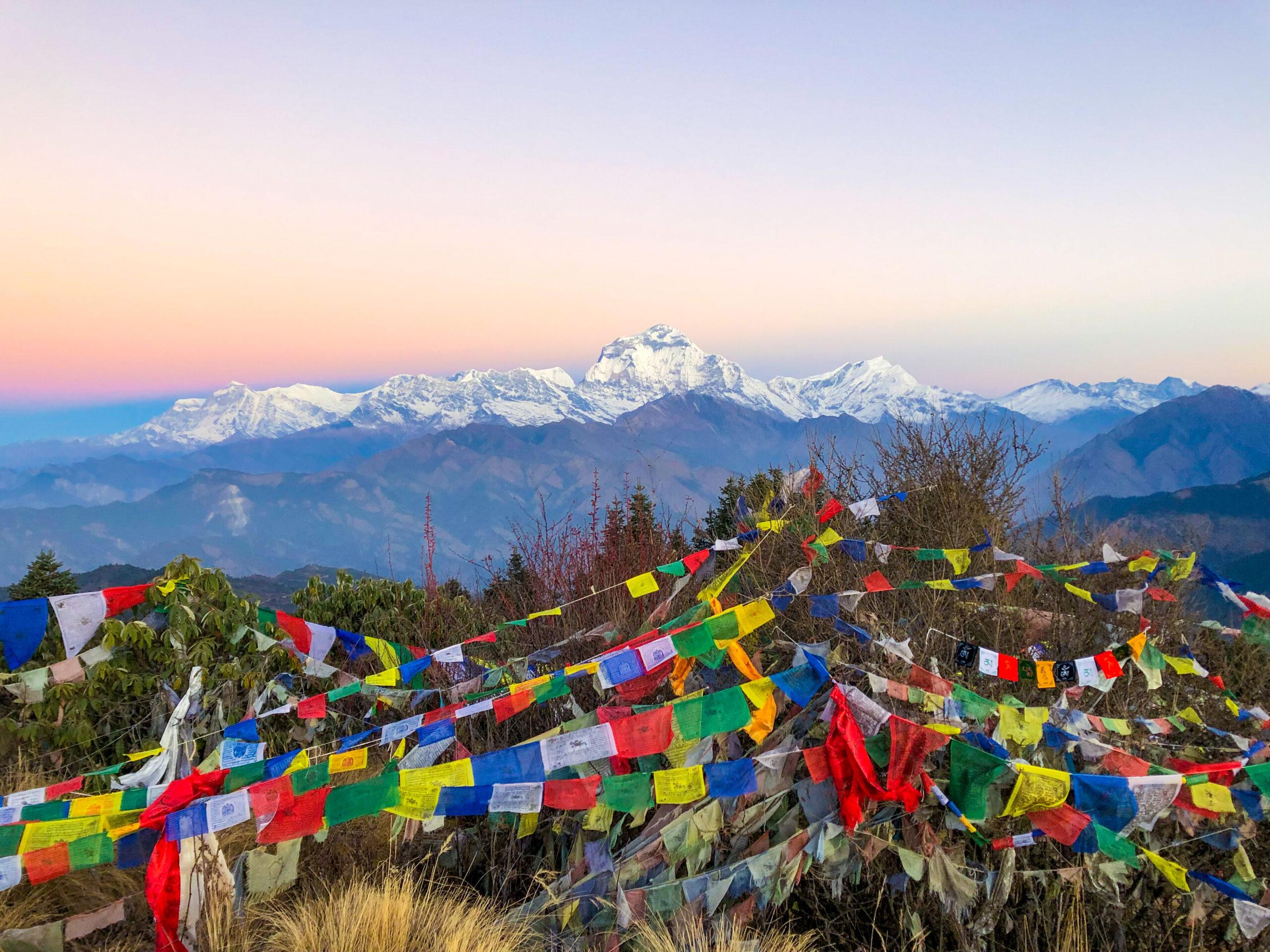
In a landmark achievement for public health, Nepal has been officially verified for rubella elimination by the World Health Organization (WHO), marking a significant milestone for the South-East Asia Region. This accomplishment underscores the country’s successful immunization efforts and robust disease surveillance systems, contributing to the regional drive toward eradicating vaccine-preventable diseases. The verification not only highlights Nepal’s commitment to safeguarding maternal and child health but also reflects the collaborative progress made by WHO and its partners in advancing global health security.
Nepal Confirmed Rubella-Free by WHO Highlighting Effective Immunization Strategies
Nepal has successfully demonstrated the elimination of rubella virus transmission, a significant public health victory validated by rigorous assessments conducted by independent experts and the World Health Organization. This achievement underscores the country’s robust immunization programs, which have been pivotal in interrupting the endemic transmission of the virus. Key strategies contributing to this success include widespread vaccination coverage, effective surveillance systems, and strong community engagement initiatives. Through coordinated efforts between public health authorities and international partners, Nepal has not only safeguarded the health of millions but also set a benchmark for other nations striving to eliminate rubella.
The comprehensive immunization approach adopted in Nepal can be summarized as follows:
- High Routine Immunization Coverage: Ensuring the measles-rubella (MR) vaccine reaches over 95% of children nationwide.
- Supplementary Immunization Activities (SIAs): Targeted campaigns addressing immunity gaps among older age groups.
- Enhanced Surveillance: Prompt case detection and laboratory confirmation to monitor rubella incidence.
- Community Mobilization: Awareness programs fostering vaccine acceptance and accessibility in remote areas.
| Indicator | 2015 | 2023 |
|---|---|---|
| MR Vaccine Coverage (%) | 78% | 96% |
| Reported Rubella Cases | 420 | 0 |
| Districts with Surveillance Units | 45 | 77 |
| SIAs Conducted | 3 | 7 |
WHO South-East Asia Region Marks Critical Progress in Combating Vaccine-Preventable Diseases
Nepal’s achievement in eliminating rubella marks a monumental leap forward for public health within the WHO South-East Asia Region. This milestone underscores the region’s unwavering commitment to immunization programs and robust disease surveillance systems. Through coordinated efforts involving government agencies, healthcare workers, and community engagement, Nepal has successfully interrupted rubella transmission, ensuring healthier futures for children and reducing the risk of congenital rubella syndrome.
The accomplishment reflects the broader progress made against vaccine-preventable diseases, fueled by strategic vaccination campaigns, improved healthcare infrastructure, and constant monitoring. Key components that contributed to this success include:
- High immunization coverage: Sustained mass campaigns coupled with routine childhood vaccinations.
- Enhanced surveillance: Robust case detection and rapid response mechanisms.
- Community participation: Targeted outreach in remote and underserved areas.
| Indicator | Nepal (2023) | Regional Average |
|---|---|---|
| Rubella Immunization Coverage | 95% | 88% |
| Reported Rubella Cases | 0 | 12 |
| Congenital Rubella Syndrome Cases | 0 | 4 |
Experts Urge Continued Surveillance and Strengthened Healthcare Infrastructure to Sustain Rubella Elimination
Health authorities and global experts emphasize that sustaining Nepal’s rubella-free status requires unwavering vigilance. Continuous surveillance plays a critical role in early detection and rapid response to any potential outbreaks. Strengthening laboratory networks and integrating robust data reporting systems are vital components to maintain this achievement. Experts also call for enhanced community engagement and awareness campaigns to ensure high immunization coverage, especially in remote and underserved regions.
Investment in healthcare infrastructure remains a priority to support these efforts effectively. This includes expanding cold chain facilities, training healthcare workers, and improving access to vaccination services. The table below highlights key areas identified by specialists as essential for sustaining rubella elimination in the region:
| Priority Area | Key Actions |
|---|---|
| Surveillance Systems | Enhance laboratory capacity & real-time reporting |
| Immunization Coverage | Target hard-to-reach communities & periodic campaigns |
| Healthcare Training | Regular skill upgrades & outbreak preparedness drills |
| Infrastructure Development | Expand cold chain & improve vaccine logistics |
By reinforcing these pillars, Nepal and the wider WHO South-East Asia Region can safeguard their hard-won gains, preventing rubella resurgence and contributing to broader infectious disease control goals.
The Way Forward
The verification of Nepal for rubella elimination marks a significant achievement for the World Health Organization’s South-East Asia Region, underscoring the impact of sustained vaccination efforts and public health initiatives. This milestone not only reflects Nepal’s commitment to safeguarding the health of its population but also serves as a beacon of progress for neighboring countries striving to combat vaccine-preventable diseases. As the region moves forward, continued vigilance and collaboration will be essential to maintain elimination status and address other infectious disease challenges.