

Home Technology How South Asia is Shaping the Future of the Global Tech Battle Between the US and China

How South Asia is Shaping the Future of the Global Tech Battle Between the US and China

by William Green
South Asia and the US-China Tech Competition – LSE Blogs

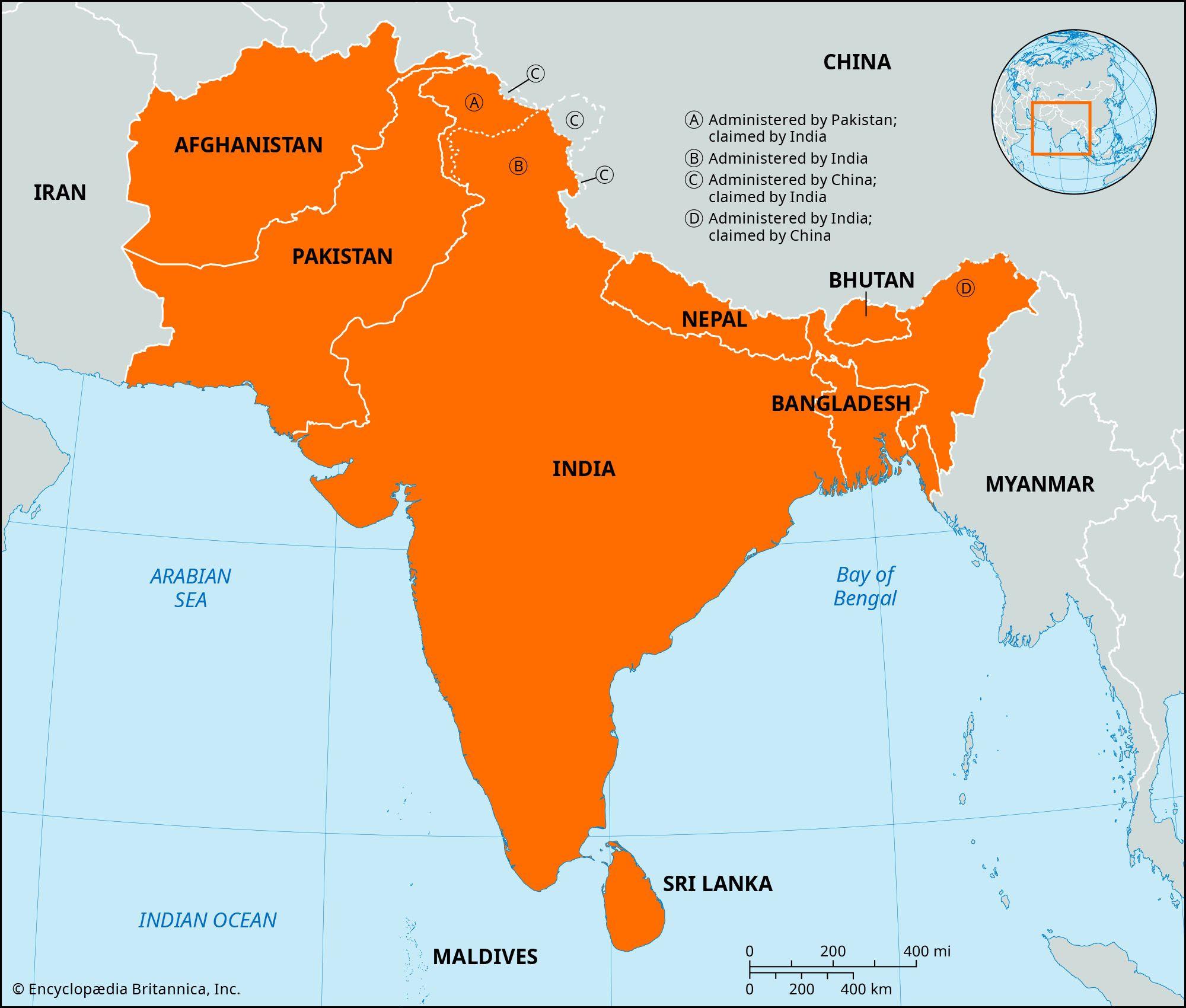
As the global tech rivalry between the United States and China intensifies, South Asia finds itself at a critical crossroads. The region’s emerging markets, vast talent pools, and strategic geopolitical position have made it an increasingly important arena in the unfolding competition for technological dominance. This article explores how South Asian countries are navigating the pressures and opportunities arising from the US-China tech rivalry, examining the implications for regional development, security, and international partnerships.

South Asia’s Strategic Role in the US-China Technology Rivalry

South Asia’s geopolitical position has become a critical chessboard in the ongoing technology standoff between the United States and China. Countries like India, Pakistan, and Bangladesh sit at the crossroads of vital supply chains, 5G infrastructure debates, and semiconductor production plans. The region’s large pool of skilled IT professionals and growing digital economy present both an opportunity and a challenge, making it a focal point where American and Chinese tech ambitions collide.

Key factors shaping the rivalry include:

  • Investment Flows: US-led initiatives are increasing capital injection into South Asian startups and R&D, countering China’s established presence through the Belt and Road Initiative and Digital Silk Road projects.
  • Telecom Infrastructure: The exclusion of Chinese giants like Huawei from markets such as India has repercussions on regional 5G rollout strategies.
  • Policy Influence: South Asian governments are increasingly balancing regulatory frameworks to attract Western technology partnerships while cautiously navigating ties with Beijing.
South Asian CountryUS Technology EngagementChinese Technology Influence
IndiaSignificant IT outsourcing; growing R&D hubs; US semiconductor investmentsInitial telecom infrastructure projects; constrained due to security concerns
PakistanLimited engagement; emerging start-up ecosystemNavigating Opportunities and Risks for Regional Tech Industries

As the US-China tech rivalry intensifies, South Asian tech industries find themselves at a crossroads filled with both promising prospects and daunting challenges. The region’s burgeoning digital infrastructure and talent pool offer a unique chance to attract investments and partnerships from global players seeking alternatives to traditional hubs. However, this opportunity is coupled with the risk of becoming an unwitting pawn in geopolitical tensions, as companies may face pressures regarding data sovereignty, supply chain alignments, and intellectual property protocols. Stakeholders must, therefore, balance openness with caution to foster sustainable innovation ecosystems.

Key factors shaping this landscape include:

  • Strategic partnerships: Collaborations with either US or Chinese firms can accelerate technological adoption, but may also influence regulatory frameworks.
  • Regulatory agility: Governments must swiftly adapt policies to protect domestic interests while encouraging foreign investments.
  • Skill development: Investment in local talent is paramount for long-term competitiveness amid shifting tech alliances.
OpportunityRisk
Access to diversified supply chainsPotential technological fragmentation
Increased FDI in tech sectorsHeightened cybersecurity concerns
Enhanced innovation through partnershipsDependence on foreign technologies

Policy Recommendations for Enhancing Tech Collaboration and Resilience

To strengthen technological collaboration between South Asia and global partners amid intensifying US-China competition, policymakers must prioritize multilateral cooperation frameworks that encourage knowledge sharing and reduce dependency on singular technology sources. Regional tech ecosystems can benefit from initiatives that promote open data standards, intellectual property protections, and joint research ventures. Emphasizing digital infrastructure investment, including 5G and AI capabilities, will help South Asian countries build resilience to external technological disruptions. Additionally, fostering public-private partnerships tailored to local innovation needs can nurture startups and scale-ups, positioning the region as a competitive hub in critical emerging technologies.

Equally critical is the establishment of comprehensive regulatory mechanisms that balance national security concerns with economic growth imperatives. These frameworks should facilitate cross-border data flows while ensuring robust cybersecurity protocols to safeguard sensitive technologies. The table below outlines key policy focus areas and their potential impacts:

Policy FocusExpected Outcomes
Multilateral Research CollaborationAccelerated innovation and shared expertise
Digital Infrastructure InvestmentImproved connectivity and tech adoption
Regulatory Balancing ActsSecure yet open technological environments
Public-Private PartnershipsEnhanced startup ecosystem growth
  • Prioritize strategic autonomy without sacrificing global integration
  • Standardize interoperable technology protocols for seamless collaboration
  • Implement robust cybersecurity frameworks to shield critical infrastructure
  • Leverage regional organizations like SAARC to promote unified tech policies

In Conclusion

As the US-China tech rivalry intensifies, South Asia finds itself at a critical juncture. Balancing economic opportunities with geopolitical pressures will require nuanced strategies from regional governments and stakeholders. How South Asian countries navigate this complex landscape could not only redefine their technological futures but also reshape broader regional dynamics in the years to come. The unfolding interplay between global powers and emerging markets remains a story worth watching closely.

You may also like