

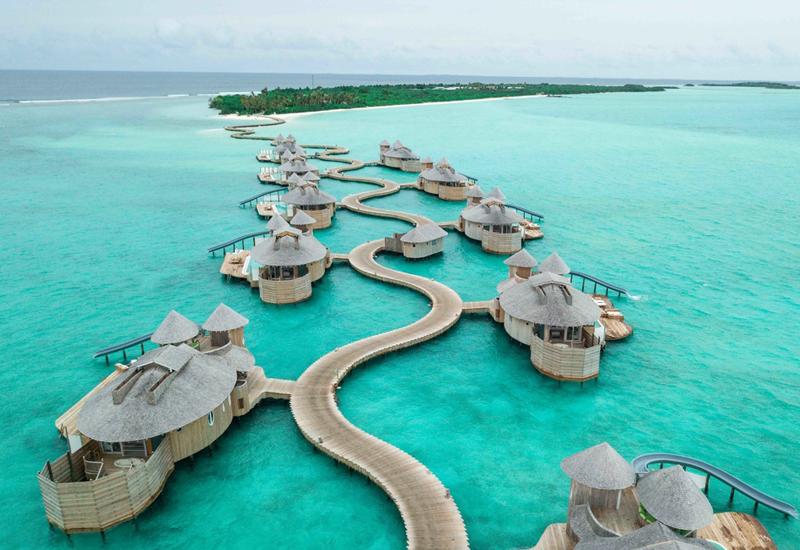
The Maldives, renowned worldwide for its pristine beaches and luxury resorts, is setting its sights on a bold tourism milestone for 2025. As the island nation grapples with environmental challenges and shifting global travel trends, the question looming over the Indian Ocean paradise is whether it can successfully achieve its ambitious visitor targets. This article explores the strategies, hurdles, and potential outcomes as the Maldives strives to reinforce its position as a premier travel destination in an increasingly competitive market.
Maldives Sets Ambitious Tourism Targets for 2025 Amid Global Challenges
The Maldives has unveiled a bold plan to skyrocket its tourism arrivals by 2025, targeting a milestone that could redefine its standing as a luxury travel destination. Despite ongoing global economic uncertainties and travel restrictions, the island nation remains committed to expanding its hospitality infrastructure and diversifying visitor experiences. Key initiatives include the development of eco-friendly resorts, enhanced connectivity through new airline partnerships, and targeted marketing campaigns aimed at emerging markets in Asia and Europe.
Core strategies driving the 2025 tourism vision:
- Investment in sustainable tourism projects to protect fragile ecosystems
- Leveraging digital technologies for personalized travel experiences
- Strengthening health and safety protocols post-pandemic
- Expanding cultural and wellness tourism offerings beyond beach resorts
| Metric | 2023 Actual | 2025 Target | Growth % |
|---|---|---|---|
| International Arrivals (millions) | 1.8 | 3.2 | 78% |
| New Resort Openings | 5 | 12 | 140% |
| Average Stay Duration (days) | 7.4 | 8.2 | 11% |
| Tourism Revenue (USD Billion) | 3.5 | 6.0 | 71% |
Analyzing Key Strategies to Boost Sustainable Tourism in the Island Nation
The Maldives is actively reshaping its tourism industry by prioritizing sustainable practices that harmonize economic growth with environmental preservation. Key strategies include investing in renewable energy across resorts, implementing stringent waste management protocols, and promoting eco-friendly transportation options such as electric boats and bicycles. These initiatives not only reduce the carbon footprint but also preserve the delicate marine ecosystems that attract millions of visitors annually. Stakeholders are collaborating closely with local communities to ensure that development projects respect cultural heritage and benefit island populations directly.
To provide a clear overview of these strategies, consider the following core focus areas critical to the Maldives’ sustainable tourism agenda:
- Environmental conservation: Protected marine areas and coral reef rehabilitation.
- Community engagement: Empowering locals through eco-tourism employment and training.
- Green infrastructure: Adoption of solar energy and water conservation technology.
- Regulatory frameworks: Enforcement of limits on visitor numbers to fragile islands.
| Strategy | Implementation Status | Expected Impact |
|---|---|---|
| Renewable Energy Adoption | 60% Resorts Equipped | Reduce Emissions by 40% |
| Waste Management Systems | Island-wide Rollout | Lower Ocean Pollution |
| Community Training Programs | 90% Local Participation | Boost Sustainable Jobs |
| Visitor Cap Policies | Trial Phase Ongoing | Protect Sensitive Habitats |
Expert Recommendations for Navigating Economic and Environmental Pressures
Amid mounting economic and environmental challenges, industry leaders emphasize the need for strategic adaptability paired with sustainable innovation. Experts advise Maldives to diversify its tourism offerings by promoting eco-friendly resorts and community-based tourism, which not only preserve natural habitats but also provide resilient income streams. Key recommendations include:
- Investing in renewable energy infrastructure to reduce the carbon footprint of tourism facilities and enhance operational efficiency.
- Enhancing digital marketing to reach eco-conscious travelers seeking unique and responsible holiday experiences.
- Strengthening local partnerships to ensure equitable economic benefits and cultural preservation within island communities.
- Implementing rigorous environmental regulations to protect coral reefs, marine life, and coastal ecosystems essential to the Maldives’ appeal.
To illustrate the economic-environmental balance, the following table outlines projected benefits if these recommendations are implemented effectively by 2025: