

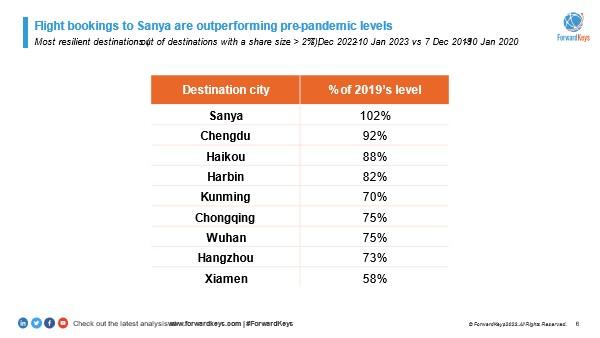
Asia’s rapid rebound in international travel is emerging as a key catalyst for steady global economic growth, according to recent analysis by Skift. After years of pandemic-induced restrictions, the region’s reopening has ignited a surge in tourism activity, fueling demand across airlines, hospitality, and related sectors. This resurgence is not only revitalizing local economies but also contributing to a broader, moderate upswing in global travel trends, signaling cautious optimism for the industry’s recovery trajectory.
Asia’s Tourism Rebound Fuels Global Economic Recovery
Across Asia, the resurgence in travel activity is injecting fresh momentum into economies previously stymied by pandemic restrictions. Key markets such as Japan, South Korea, Thailand, and Vietnam are experiencing a surge in international visitors, coupled with an uptick in domestic tourism. This rebound is creating a ripple effect, boosting sectors like hospitality, transportation, and retail.
Critical factors driving this recovery include:
- Relaxed visa policies and streamlined border procedures
- Increased consumer confidence fueled by improved vaccination rates
- Government stimulus packages aimed at revitalizing tourism infrastructure
| Country | Tourism Growth (%) | Key Industry Impact |
|---|---|---|
| Japan | 24% | Hotel Bookings |
| Thailand | 31% | Airport Traffic |
| Vietnam | 28% | Local Tour Operators |
Key Drivers Behind the Region’s Accelerated Travel Demand
Several pivotal factors have coalesced to fuel the region’s rapid travel momentum. Increasing disposable incomes and expanding middle-class populations in key Asian economies have empowered more travelers to explore beyond their borders. Coupled with the easing of travel restrictions, enhanced connectivity through new airline routes, and competitive pricing, the market is witnessing an unprecedented uptick in outbound and inbound journeys.
Technological advancements also play a crucial role, with mobile booking platforms and AI-driven personalized travel experiences lowering barriers and sparking demand. Additionally, government initiatives aimed at boosting tourism infrastructure and promoting cultural events have successfully attracted both leisure seekers and business travelers.
- Growing middle class: Increased spending power across multiple countries
- Competitive airline landscape: New low-cost carriers expanding route options
- Digital innovations: Seamless booking and tailored itineraries
- Government policies: Tourism campaigns and visa facilitation measures