

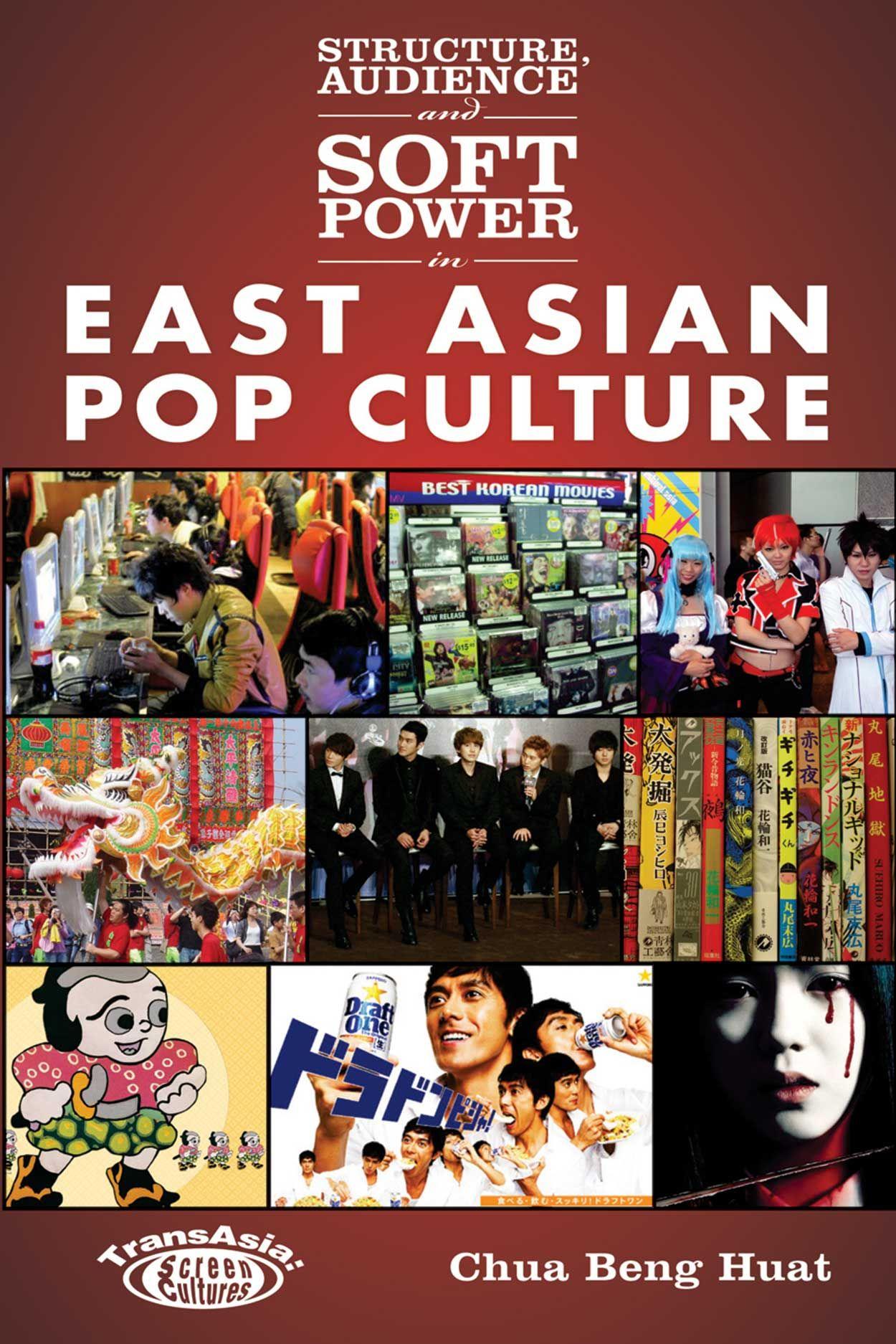
In the evolving landscape of global influence, Asia is leveraging more than just economic might and military strength to reshape international relations. Beyond the traditional arenas of power, countries across the continent are increasingly turning to soft power-cultural exports, media, and diplomatic engagement-as a strategic tool to challenge Western dominance. This subtle yet impactful shift is redefining modern diplomacy, as Asian nations use entertainment, language promotion, and technology to win hearts and minds worldwide. In this article, we delve into how Asia’s soft power initiatives are crafting a new front in the geopolitical contest with the West.
Asia’s Cultural Exports Reshaping Global Influence and Perceptions
Asian nations are leveraging their rich cultural heritage and modern creativity to build a new paradigm of global influence. Beyond blockbuster movies and catchy pop songs, elements such as traditional cuisine, philosophical values, fashion trends, and even cutting-edge technology are shaping perceptions and fostering deeper international connections. Countries like South Korea and Japan have transformed their cultural exports into soft power tools, seamlessly blending authenticity with modern appeal. This multidimensional cultural diplomacy challenges Western dominance by promoting a more nuanced and balanced global narrative.
Key drivers of this shift include:
- Gastronomic diplomacy: From Korean kimchi to Japanese sushi, Asian cuisines are becoming ambassadors of culture and wellness worldwide.
- Digital innovation: Asian tech giants and gaming industries offer immersive experiences that influence global digital culture.
- Philosophical exports: Concepts like mindfulness and Confucian values find increasing relevance in global discourse on leadership and ethics.
| Country | Dominant Cultural Export | Global Reach (Regions Influenced) |
|---|---|---|
| South Korea | K-Pop & Dramas | Asia, Americas, Europe |
| Japan | Technology & Anime | Asia, North America, Europe |
| India | Bollywood & Yoga | Global, especially Africa & Middle East |
Strategic Use of Media and Innovation in Asia’s Diplomatic Arsenal
Asian nations are redefining diplomatic engagement through a sophisticated blend of media strategies and technological innovation that extends far beyond traditional statecraft. Leveraging globally consumed entertainment platforms such as K-pop, Nollywood, and anime, these countries foster cultural affinity while subtly embedding narratives that challenge Western dominance. This approach capitalizes on viral social media campaigns, strategic content placement, and collaborations with international influencers to craft a persuasive image aligned with their geopolitical interests. The result is a dynamic, multi-layered soft power mechanism that mobilizes public opinion and shapes international perceptions with unprecedented agility.
Technological advancements are equally integral to this paradigm, with artificial intelligence-driven analytics and immersive virtual experiences becoming key tools in a modern diplomatic toolbox. Governments in Asia invest heavily in digital diplomacy, where data-driven decision-making enhances message targeting across diverse audience segments. Key tactics include:
- Utilizing adaptive storytelling on platforms like TikTok and WeChat to engage younger demographics abroad
- Deploying multilingual AI chatbots that provide real-time cultural and policy insights
- Orchestrating virtual cultural festivals and diplomatic roundtables to sustain continuous engagement
- Integrating smart analytics to monitor global sentiment and fine-tune messaging promptly
| Country | Media Innovation | Strategic Outcome |
|---|---|---|
| South Korea | K-pop Global Streaming Platforms | Heightened cultural influence and tourism growth |
| Japan | AI-Powered Virtual Diplomacy Hubs | Enhanced bilateral communication efficiency |
| India | Bollywood-Themed Social Campaigns | Amplified diaspora engagement and soft power resonance |
Policy Recommendations for Strengthening Asia’s Soft Power in the Western Sphere
To elevate Asia’s cultural and diplomatic influence in the West, policymakers must prioritize strategic initiatives that extend beyond popular entertainment. Enhancing educational exchange programs, boosting language training, and encouraging cultural festivals outside Asia are critical steps. Governments should also invest in cross-sector public diplomacy campaigns that highlight Asia’s technological advancements, environmental leadership, and historical narratives. Such efforts will foster a multidimensional image that respects tradition while embracing innovation, ultimately creating a more relatable and admired presence.
Equally important is harnessing digital platforms to tailor content that resonates with Western audiences, while amplifying Asian voices within global conversations. This requires sustained collaboration between states, private sectors, and diaspora communities to curate authentic stories and facilitate cultural dialogue. Initiatives can be structured around key themes:
- Intercultural collaboration: Joint artistic projects and research partnerships
- Inclusive storytelling: Promote diverse Asian perspectives and counter stereotypes
- Media literacy campaigns: Equip audiences to critically engage with content
| Policy Focus | Target Outcome | Western Sphere Impact |
|---|---|---|
| Educational Exchanges | Long-term cultural empathy | Stronger academic and professional ties |
| Digital Storytelling | Enhanced narrative control | Broader audience engagement |
| Public-Private Partnerships | Resource pooling & innovation | Increased soft power sustainability |
Wrapping Up
As Asia continues to harness its rich cultural assets and innovative media industries, the region’s soft power strategies are reshaping global diplomatic landscapes. Moving beyond traditional political and economic influence, countries across Asia are engaging the West through storytelling, entertainment, and cultural exchange-crafting a new era of modern diplomacy. As this subtle yet impactful “soft power war” unfolds, observers will be watching closely to see how these efforts redefine international relations and the balance of global influence in the years ahead.