

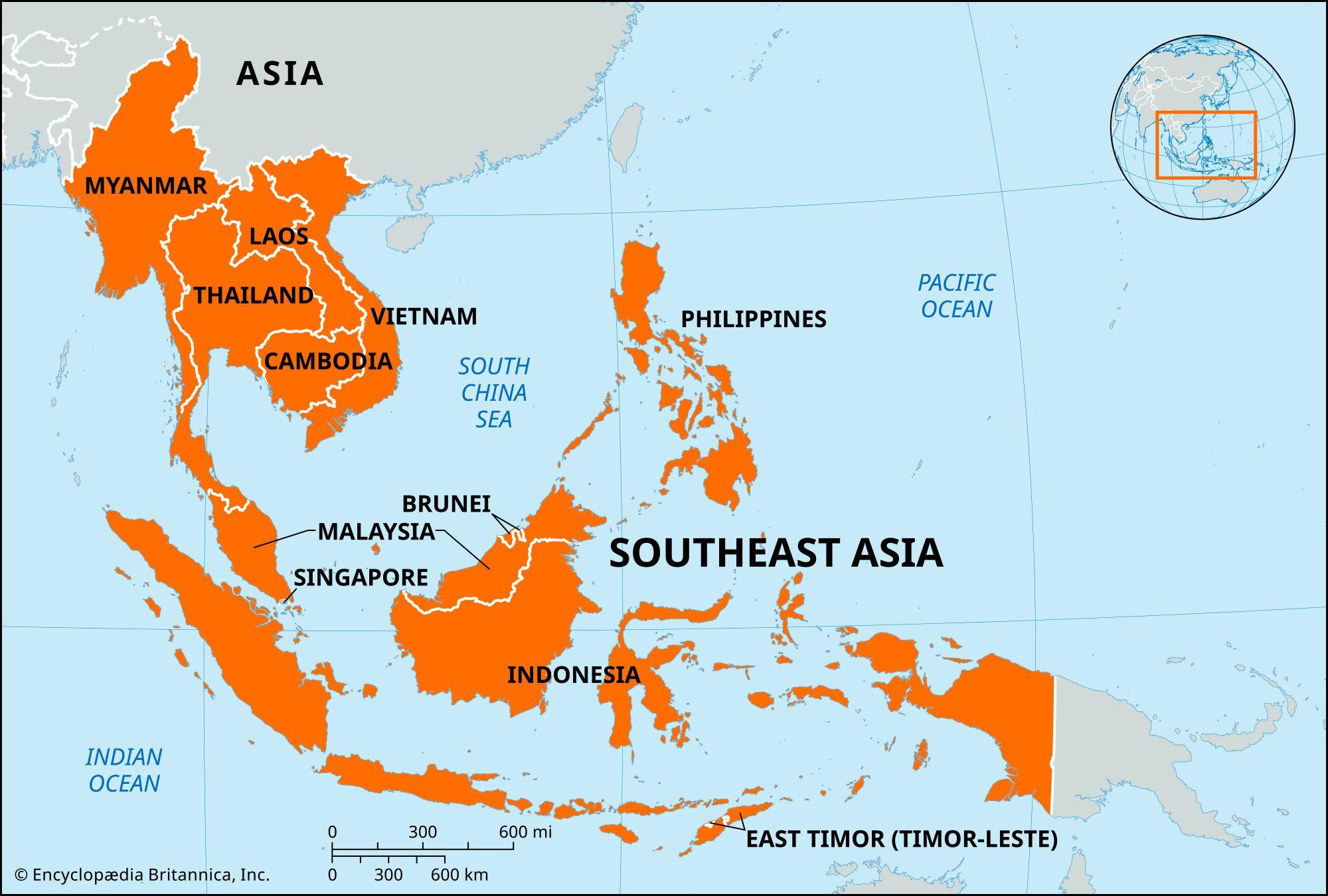
Southeast Asia’s health technology sector is showing signs of a strong recovery, with funding reaching $108 million in the first half of the year, according to recent reports. This rebound highlights renewed investor confidence in digital health innovations across the region, following a period of slowed capital inflows. The surge in funding underscores the growing importance of health tech solutions in addressing ongoing healthcare challenges and improving access to medical services in Southeast Asia.
Southeast Asia Health Tech Investment Sees Strong Recovery in First Half
The first half of the year witnessed a remarkable resurgence in health technology investments across Southeast Asia, with total funding soaring to $108 million. This uptick signals renewed confidence from investors targeting digital health platforms, telemedicine solutions, and AI-driven diagnostics. Notable sectors attracting capital include remote patient monitoring, electronic health records, and mobile health applications, reflecting growing consumer demand for accessible and innovative healthcare options.
Key factors contributing to this revival include:
- Improved regulatory frameworks facilitating faster market entries for startups.
- Increased government support for tech-driven healthcare initiatives.
- Heightened public interest in digital health services post-pandemic.
| Country | Investment Amount (H1) | Top Focus Areas |
|---|---|---|
| Indonesia | $42M | Telemedicine, Health Apps |
| Singapore | $38M | AI Diagnostics, Health Data |
| Vietnam | $18M | Remote Monitoring, EHR |
| Thailand | $10M | Wearables, Digital Clinics |
Key Drivers Behind the Surge in Health Tech Funding Across the Region
Several factors are fueling the recent upswing in health tech investments across Southeast Asia. Rapid digital adoption, accelerated by the pandemic, has created a fertile environment for innovators to address longstanding healthcare challenges. Investors are particularly drawn to startups offering telemedicine, AI-driven diagnostics, and remote patient monitoring solutions, which promise to expand access and enhance quality of care across diverse populations. Additionally, governments in the region are increasingly supportive, introducing policies and funding initiatives that encourage private-sector collaboration and technology-driven improvements in public health infrastructure.
Another crucial driver lies in the demographic and economic landscape: a growing middle class with increasing health awareness and disposable income is demanding more convenient healthcare options. This trend is reflected in rising consumer engagement with apps for wellness, mental health, and chronic disease management. Venture capital firms are responding by channeling more funds into scalable platforms that capitalize on these behaviors. Below is a snapshot of key sectors attracting the most attention from investors in the first half of the year:
| Health Tech Segment | Funding Share (%) | Major Applications |
|---|---|---|
| Telemedicine | 40 | Remote consultations, virtual clinics |
| AI & Diagnostics | 30 | Predictive analysis, imaging interpretation |
| Health & Wellness Apps | 20 | Mental health, fitness tracking |
| Remote Monitoring | 10 | Wearables, chronic disease management |
Strategic Recommendations for Startups to Capitalize on Growing Investor Interest
To effectively leverage the recent surge in health tech investments across Southeast Asia, startups must prioritize building strong value propositions tailored to regional healthcare challenges. Demonstrating measurable impact on patient outcomes and cost efficiencies will resonate most with investors looking for scalable, sustainable solutions. Additionally, forging strategic partnerships with established medical institutions and leveraging local market insights can enhance credibility and accelerate product adoption in these diverse, complex healthcare ecosystems.
Moreover, startups should adopt agile fundraising strategies that emphasize transparency and robust data governance to align with increasing investor expectations. Cultivating a clear roadmap for regulatory compliance and technology integration will further differentiate candidates in a competitive funding landscape. Below is a snapshot of critical focus areas for startups aiming to maximize this funding climate:
| Focus Area | Investor Priority | Recommended Action |
|---|---|---|
| Market Fit | High | Conduct targeted user research |
| Regulatory Alignment | Medium | Engage local legal experts early |
| Data Security | High | Implement HIPAA/GDPR standards |
| Partnerships | Medium | Collaborate with healthcare providers |
Concluding Remarks
As Southeast Asia’s health tech sector demonstrates a strong rebound in funding, reaching $108 million in the first half of the year, investors are signaling renewed confidence in the region’s digital healthcare innovations. This uptick underscores the growing demand for accessible and technology-driven medical solutions across Southeast Asia, suggesting a positive outlook for continued growth and development in the months ahead. Industry stakeholders will be closely watching how these investments translate into expanded healthcare services and improved patient outcomes throughout the region.