

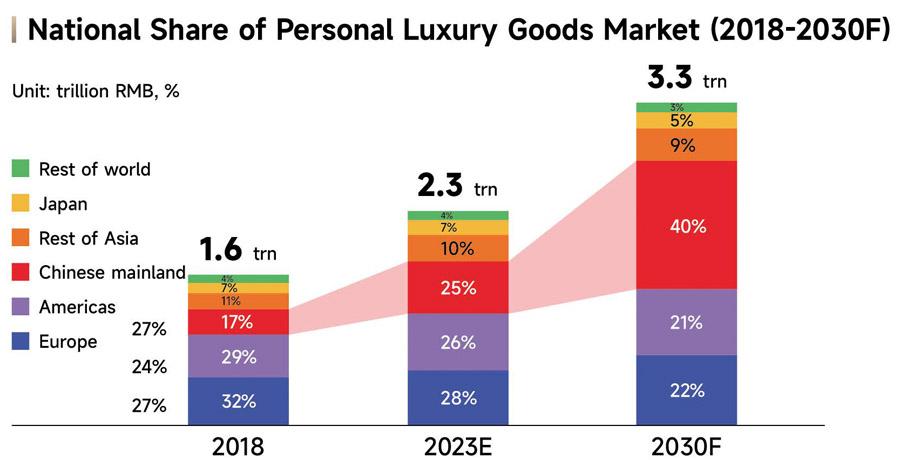
Asia’s luxury consumer landscape is undergoing a notable transformation, as shifting economic conditions and evolving lifestyle preferences reshape shopping priorities across the region. According to recent insights from Bluebell Group, a leading luxury fashion distributor and retailer, discerning buyers in key Asian markets are increasingly prioritizing sustainable brands, personalized experiences, and digital engagement over traditional status-driven purchases. This changing dynamic signals a significant recalibration for luxury brands seeking to capture the attention and loyalty of Asia’s affluent consumers, who remain pivotal to the global luxury market’s growth trajectory.
Asia’s Luxury Consumers Embrace Sustainability and Ethical Brands
Across Asia, luxury consumers are redefining their purchasing habits by prioritizing sustainability and ethical practices. Recent insights from the Bluebell Group reveal a distinct movement towards brands that demonstrate environmental responsibility and social consciousness. This shift is particularly pronounced among millennial and Gen Z shoppers, who now expect transparency in sourcing, production, and corporate social responsibility initiatives as part of their luxury experience. Key factors influencing their decisions include:
- Eco-friendly materials: Preference for natural, recycled, or renewable fabrics.
- Fair labor practices: Support for brands ensuring ethical treatment of workers.
- Carbon footprint reduction: Emphasis on brands with sustainable logistics and packaging.
- Community engagement: Brands investing in local communities and social causes.
The adoption of sustainable luxury is not only a reaction to global environmental concerns but also a reflection of evolving cultural values within Asia’s affluent markets. The table below highlights how different Asian regions prioritize specific sustainability attributes in luxury shopping:
| Region | Top Sustainability Priority | Consumer Percentage (Focus on Sustainability) |
|---|---|---|
| China | Eco-friendly fabrics | 68% |
| Japan | Carbon footprint reduction | 54% |
| South Korea | Fair labor practices | 61% |
| Singapore | Community engagement | 49% |
Impact of Digital Innovation on Shopping Behaviors in Asia’s High-End Market
Digital innovation is radically reshaping consumer behavior in Asia’s luxury market, where discerning buyers increasingly prioritize convenience, personalization, and immersive experiences over traditional shopping methods. The integration of augmented reality (AR) and artificial intelligence (AI) tools allows brands to create bespoke virtual try-ons and curated product recommendations, elevating the purchasing journey beyond physical store visits. This tech-driven shift has empowered consumers to engage with luxury brands seamlessly across multiple digital touchpoints, from mobile apps to social commerce platforms.
Key trends shaping this transformation include:
- Rise of social commerce as a primary discovery and buying channel
- Demand for hyper-personalized marketing fueled by data analytics
- Preference for eco-conscious brands with transparent digital storytelling
- Greater reliance on seamless omnichannel experiences blending online and offline
| Digital Feature | Impact on Shopping Behavior |
|---|---|
| AR Virtual Try-Ons | Boosts buyer confidence and reduces return rates |
| AI-Powered Recommendations | Enhances personalization, increasing average order value |
| Social Commerce Integration | Accelerates impulse purchases via influencer engagement |
| Eco-Transparency Platforms | Builds brand trust among eco-conscious millennials |
Expert Recommendations for Luxury Retailers to Adapt to Evolving Consumer Preferences
To successfully navigate the shifting landscape of luxury consumption in Asia, retailers must prioritize personalization and experiential engagement. Experts emphasize leveraging data analytics to gain deeper insights into individual customer behaviors and preferences. This approach enables luxury brands to tailor product offerings, communication, and exclusive experiences that resonate on a personal level. Moreover, integrating seamless omnichannel strategies-combining in-store luxury ambiance with the convenience of digital platforms-has become crucial to satisfy the demand for both tactile and instant access shopping.
Additionally, sustainability and ethical sourcing are increasingly influencing buyer decisions among Asian luxury consumers. Retailers who transparently communicate their commitment to environmental stewardship and social responsibility can build stronger brand loyalty. Incorporating innovative technologies, such as virtual try-ons and AI-driven style advisors, further enhances the luxury narrative by blending tradition with modern convenience. The following table highlights key areas luxury retailers should focus on to adapt effectively:
| Adaptation Strategy | Consumer Impact |
|---|---|
| Advanced Data Analytics | Enhanced personalization, relevant offers |
| Omnichannel Integration | Seamless luxury experience across touchpoints |
| Sustainability Transparency | Increased trust and brand loyalty |
| Innovative Tech Adoption | Modernized, immersive shopping journey |
- Focus on culturally tailored marketing campaigns to resonate with diverse Asian consumer bases.
- Invest in staff training It looks like your list got cut off at the second item. Here’s a suggestion to complete it based on the tone and content of the section:
- Focus on culturally tailored marketing campaigns to resonate with diverse Asian consumer bases.
- Invest in staff training to provide exceptional, personalized service that reflects cultural nuances and luxury standards.
- Enhance digital platforms to streamline the online shopping experience with easy navigation and personalized recommendations.
- Prioritize transparency in sourcing and sustainability efforts to build consumer trust.
- Leverage virtual and augmented reality tools to create immersive, engaging luxury experiences remotely.
If you want, I can also help reformat or expand on any of these points!
The Way Forward
As Asia’s luxury consumers continue to evolve, the insights from Bluebell Group underscore a significant shift in shopping priorities-favoring personalized experiences, sustainability, and digital engagement. Industry players looking to thrive in this dynamic market will need to adapt swiftly to these changing preferences. As the region remains a pivotal driver of global luxury consumption, staying attuned to these trends will be crucial for brands aiming to maintain relevance and capture the discerning Asian clientele.