

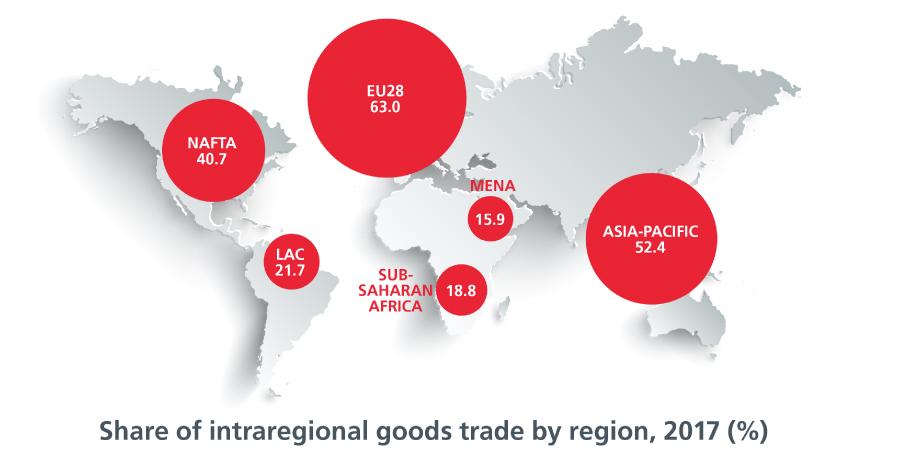
As Asia’s economies accelerate toward greater integration, the intra-Asia trade landscape is experiencing an unprecedented boom. Logistics giant DHL highlights the immense opportunities unlocked by this regional surge, urging businesses worldwide to capitalize on the dynamic growth fueling cross-border commerce within Asia. With supply chains evolving and demand shifting closer to home, companies poised to navigate this transformative market stand to gain a crucial competitive edge in the global economy.
Unlocking Economic Growth Through Enhanced Intra-Asia Trade Connectivity
Asia’s economic landscape is undergoing a remarkable transformation, driven by the expansion of trade corridors and infrastructure developments that enhance regional connectivity. By fostering seamless logistics networks and reducing barriers, the region is poised to become an even more dynamic hub for commerce. Businesses tapping into these improved routes gain faster access to emerging markets, reduced shipping costs, and enhanced supply chain resilience – factors vital for sustaining competitive advantage in the global economy.
Key factors fueling this intra-Asia trade surge include:
- Strategic investments in smart ports and digital customs clearance
- Strengthened bilateral and multilateral trade agreements
- Integration of advanced AI-powered logistics and tracking systems
- Growing consumer demand within Asia’s expanding middle class
| Trade Corridor | Annual Growth Rate | Key Export Goods |
|---|---|---|
| China-ASEAN | 8.5% | Electronics, Machinery |
| Japan-South Korea | 5.2% | Automotive, Chemicals |
| India-Southeast Asia | 9.1% | Textiles, Pharmaceuticals |
Leveraging Technology and Infrastructure to Streamline Regional Supply Chains
The rapid advancement of digital technologies and the continuous enhancement of infrastructure are reshaping how regional supply chains operate across Asia. Companies are increasingly integrating IoT devices and real-time tracking systems to gain unprecedented visibility into their logistics networks. This not only minimizes delays but also empowers businesses to anticipate and react to disruptions swiftly. Moreover, emerging technologies like AI-driven analytics and blockchain are enabling secure and transparent transactions, helping to build trust among diverse intra-regional partners.
Strategic investment in multimodal transport infrastructure-ranging from high-speed railways to smart ports-is further accelerating the flow of goods between countries. Key benefits of leveraging such technology-driven infrastructure include:
- Reduced transit times through optimized routing and automated customs clearance.
- Lower operational costs via enhanced resource allocation and predictive maintenance.
- Greater scalability to handle increasing trade volumes seamlessly.
| Technology | Impact | Key Benefit |
|---|---|---|
| IoT Sensors | Real-time supply chain visibility | Proactive disruption management |
| AI Analytics | Demand forecasting | Inventory optimization |
| Smart Ports | Automation of cargo handling | Faster throughput |
Strategies for Businesses to Navigate and Capitalize on Asia’s Trade Surge
To effectively harness the momentum of Asia’s intra-regional trade surge, businesses must adopt a multi-faceted approach centered on agility and local insight. Establishing regional supply hubs in strategic locations such as Singapore, Vietnam, and Malaysia allows companies to optimize logistics, reduce transit times, and minimize costs. Additionally, leveraging advanced data analytics to monitor shifting trade patterns and demand signals can provide a competitive edge in fast-evolving markets. Collaborations with local partners and customs experts further enable smoother navigation of diverse regulatory landscapes, ensuring compliance and accelerating market entry.
Another pivotal strategy lies in embracing digital trade technologies that facilitate seamless cross-border transactions. Employing blockchain for transparency and smart contracts, alongside AI-driven inventory management, empowers firms to respond dynamically to market fluctuations while enhancing supply chain resilience. Companies should also prioritize sustainable practices aligned with regional environmental standards, as eco-conscious consumers increasingly influence buying behaviors. The table below highlights key focus areas for businesses positioning themselves at the forefront of Asia’s trade expansion:
| Focus Area | Benefit | Example |
|---|---|---|
| Regional Supply Hubs | Lower logistics costs | Distribution center in Vietnam |
| Data-Driven Decision Making | Market adaptability | Demand forecasting via AI |
| Digital Trade Tools | Faster clearance processes | Blockchain-based documentation |
| Sustainability Initiatives | Brand loyalty & compliance | Eco-friendly packaging |
In Summary
As Asia continues to solidify its position as a global economic powerhouse, the surge in intra-Asia trade presents unprecedented opportunities for businesses looking to expand their reach and maximize growth. DHL’s insights underscore the critical importance of leveraging regional supply chains, embracing digital innovation, and navigating evolving trade policies to fully capitalize on this boom. For companies ready to engage with Asia’s dynamic markets, the time to act is now – unlocking the region’s vast potential could well be the key to sustained success in the years ahead.