

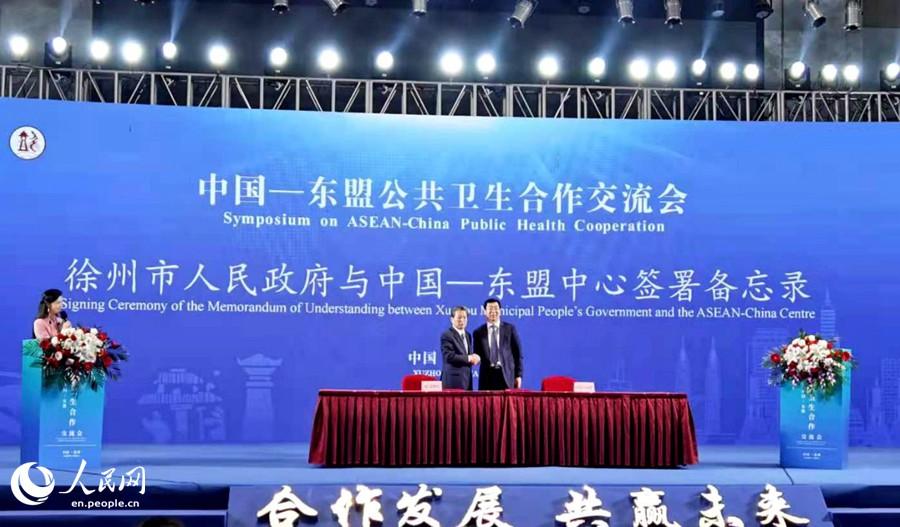
In recent years, health cooperation between China and Central Asian countries has been rapidly gaining momentum, marking a significant milestone in regional public health collaboration. As the world continues to navigate complex challenges posed by pandemics and emerging diseases, this growing partnership underscores a shared commitment to strengthening healthcare systems, enhancing disease control, and promoting medical research. Driven by strategic initiatives under the Belt and Road framework and supported by multilateral engagements, China-Central Asia health cooperation is increasingly becoming a cornerstone of regional stability and development, as highlighted in recent reports by news.cgtn.com.
Expanding Collaborative Healthcare Infrastructure Across Central Asia
Efforts to bolster healthcare across Central Asia have taken a significant leap forward, with multiple joint initiatives and infrastructure projects now underway. Key investments aim to enhance medical facilities, improve training programs for healthcare professionals, and expand access to cutting-edge medical technology. These developments underscore a shared commitment to tackling regional health challenges such as infectious diseases, chronic illnesses, and emergency response capacity. The collaboration is not only a diplomatic success but also a critical step towards sustainable health security in the region.
Recent achievements include:
- Establishment of regional telemedicine centers linking specialists across borders
- Launch of cross-border epidemic monitoring systems to ensure rapid data sharing
- Joint training workshops focused on advanced diagnostic and surgical techniques
- Expansion of pharmaceutical supply chains to guarantee essential medicines availability
| Project | Partner Countries | Expected Completion | Impact |
|---|---|---|---|
| Central Asian Telehealth Network | Kazakhstan, Uzbekistan, Kyrgyzstan | 2025 | Remote clinical consultations |
| Regional Emergency Response Unit | Tajikistan, Turkmenistan, China | 2024 | Improved disaster response times |
| Pharmaceutical Supply Chain Hub | All Central Asian States | 2026 | Steady medicine availability |
Strengthening Disease Prevention and Response Systems Through Joint Initiatives
Collaborative efforts between China and Central Asian nations are intensifying to enhance public health infrastructure, enabling quicker detection and more effective management of emerging diseases. Leveraging advanced surveillance technologies and shared data platforms, health authorities are working together to establish an integrated network capable of responding to outbreaks in real time. Joint training programs for healthcare professionals emphasize cross-border cooperation, ensuring that medical teams can coordinate smoothly during health emergencies. This unified approach has already led to the rapid containment of several infectious disease threats in the region.
Key components of this collaboration include:
- Shared laboratories: Facilitating research and diagnosis of contagious diseases
- Resource pooling: Coordinated distribution of vaccines and medical supplies
- Emergency response drills: Enhancing preparedness through simulated outbreak scenarios
- Information exchange: Real-time communication channels supporting policy decisions
| Initiative | Focus Area | Status |
|---|---|---|
| Central Asia Disease Surveillance Network | Real-time data sharing | Operational |
| China-Central Asia Medical Exchange Program | Training & capacity building | Ongoing |
| Joint Vaccine Stockpile | Resource readiness | In development |
Enhancing Medical Training and Technology Transfer for Sustainable Health Development
Recent collaborations between China and Central Asian countries are transforming the landscape of medical education and technology exchange. Joint initiatives have focused on establishing advanced training programs that equip healthcare professionals with cutting-edge skills, ensuring a robust response to public health challenges. These efforts include hands-on workshops, online certification courses, and the deployment of expert teams to remote areas, fostering knowledge sharing and capacity building across borders.
- Telemedicine platforms enabling real-time consultations and remote diagnostics.
- Research exchanges encouraging innovation in disease prevention and treatment.
- Infrastructure upgrades with state-of-the-art medical devices supplied through cooperative agreements.
| Focus Area | Benefit | Key Stakeholders |
|---|---|---|
| Professional Training Programs | Enhanced clinical skills and knowledge | Universities, Hospitals, Health Ministries |
| Technology Transfer | Access to modern medical equipment | Government Agencies, Tech Firms |
| Research Collaboration | Joint innovations in healthcare | Scientists, Research Institutes |
Wrapping Up
As China and Central Asian nations continue to deepen their health cooperation, the momentum gained signals a promising shift toward enhanced regional public health security and medical innovation. With ongoing collaborative efforts in disease prevention, healthcare infrastructure, and knowledge exchange, this partnership not only addresses immediate health challenges but also lays the groundwork for sustained development and resilience across Central Asia. Observers will be watching closely as these initiatives evolve, potentially setting a new standard for multilateral health diplomacy in the region.