

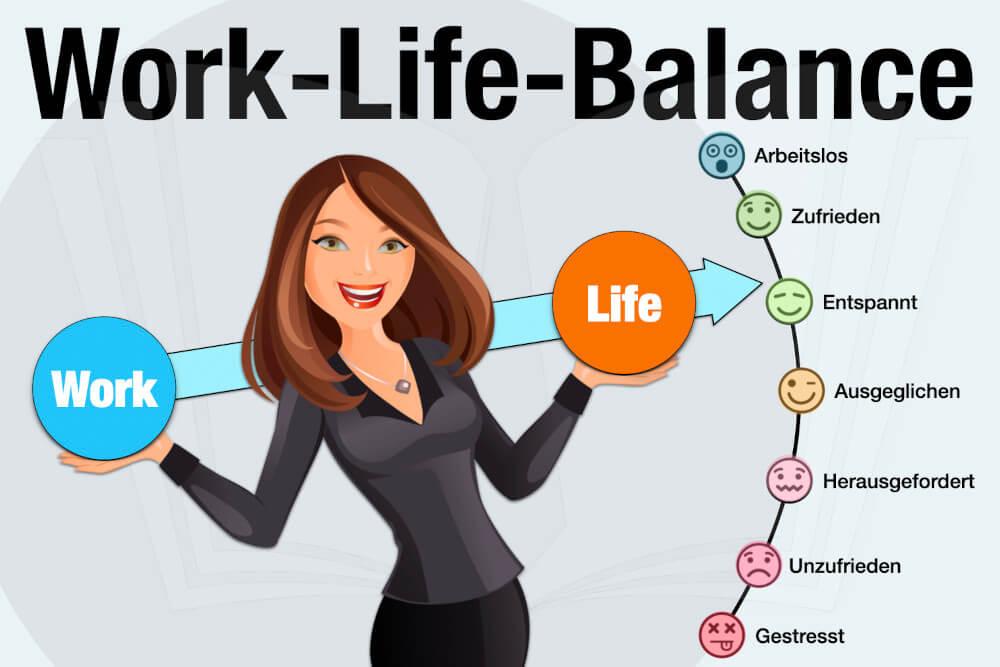
Japan’s longstanding culture of exhaustive work hours and corporate devotion, often linked to the tragic phenomenon of “karoshi” or death from overwork, appears to be facing a pivotal shift. Recent reports and government initiatives suggest that the nation, renowned for its relentless work ethic, is beginning to embrace a new approach that prioritizes work-life balance and employee well-being. This article explores whether Japan is genuinely moving away from its grueling labor traditions, assessing the social, economic, and cultural factors driving this potential transformation.
Japan’s cultural shift towards work life balance challenges decades of overtime expectations
For decades, Japan’s corporate culture has been synonymous with long hours, relentless dedication, and an unspoken expectation to put work above all else. However, a growing number of companies and government initiatives are beginning to challenge this entrenched norm. Efforts such as the “Premium Friday” campaign and stricter enforcement of overtime laws aim to curb the notorious phenomenon of karōshi-death from overwork-as younger generations increasingly prioritize personal well-being and family life over exhaustive office hours.
Despite resistance from some traditional sectors, data suggests a subtle but significant transformation underway:
- Reduced average monthly overtime: Down by 15% in key urban areas over the past three years
- Rise of telecommuting: Especially among tech and creative industries
- Increased awareness: Mental health and work satisfaction now part of corporate KPIs
| Year | Average Monthly Overtime Hours | Percentage Reduction |
|---|---|---|
| 2018 | 45 | – |
| 2021 | 38 | 15.6% |
| 2023 | 36 | 20% |
Government initiatives and corporate reforms aim to curb the deadly phenomenon of karoshi
In response to the alarming rates of karoshi, Japan’s government has launched a series of comprehensive measures aimed at transforming its grueling work culture. The introduction of stricter overtime regulations, mandatory rest periods, and nationwide awareness campaigns reflects an urgent push to protect employees from the physical and mental toll of excessive work. Notably, the Work Style Reform Bill enacted in recent years enforces a legal cap on overtime hours, while encouraging companies to offer more flexible schedules and remote work options.
Corporate Japan is also undergoing significant shifts as businesses recognize the moral and economic costs of chronic overwork. Many leading firms have adopted wellness programs and restructured workloads to foster better work-life balance. Key initiatives include:
- Mandatory “Premium Fridays”: Encouraging employees to leave early once a month
- Implementation of paid leave quotas: Ensuring workers take their allotted holidays
- Promotion of mental health support: Offering counseling and stress management workshops
| Initiative | Target Outcome | Year Introduced |
|---|---|---|
| Work Style Reform Bill | Limit overtime to 45 hours/month | 2019 |
| Premium Fridays | Early leave for better rest | 2017 |
| Mandatory Paid Leave | Ensure minimum holidays taken | 2019 |
Experts suggest practical steps for companies and employees to prioritize well-being and productivity
Industry leaders and mental health professionals are urging Japanese companies to cultivate workplace environments that support both well-being and sustainable productivity. Central to their advice is the adoption of flexible working hours and enhanced remote work options, allowing employees to better balance their personal and professional lives. Additionally, experts emphasize the importance of regular breaks during the workday and the establishment of «no overtime» policies to counter the entrenched culture of long hours.
To facilitate this cultural shift, many organizations are investing in training programs that focus on stress management and emotional resilience. Employers are also encouraged to implement clear performance metrics that reward efficiency rather than sheer time spent at the desk. The table below outlines some recommended practices that can help businesses foster a healthier, more engaged workforce:
| Initiative | Benefit | Implementation Tip |
|---|---|---|
| Flexible scheduling | Improves work-life balance | Allow employees to choose start/end times |
| Mandatory breaks | Reduces burnout and boosts focus | Introduce scheduled pauses every 90 minutes |
| Remote work support | Increases autonomy and reduces commute stress | Provide home office equipment and connectivity |
| Stress management training | Enhances emotional resilience | Offer regular workshops and mental health resources |
Insights and Conclusions
As Japan grapples with the long-standing culture of excessive work hours, recent shifts in policy and public attitude suggest a gradual move away from the deadly toll of overwork. While deep-rooted social and economic pressures remain, these changes signal a growing recognition of the need to balance productivity with well-being. Whether this marks a lasting transformation or a tentative step forward, Japan’s evolving approach to work-life balance will continue to be closely watched both domestically and around the world.