

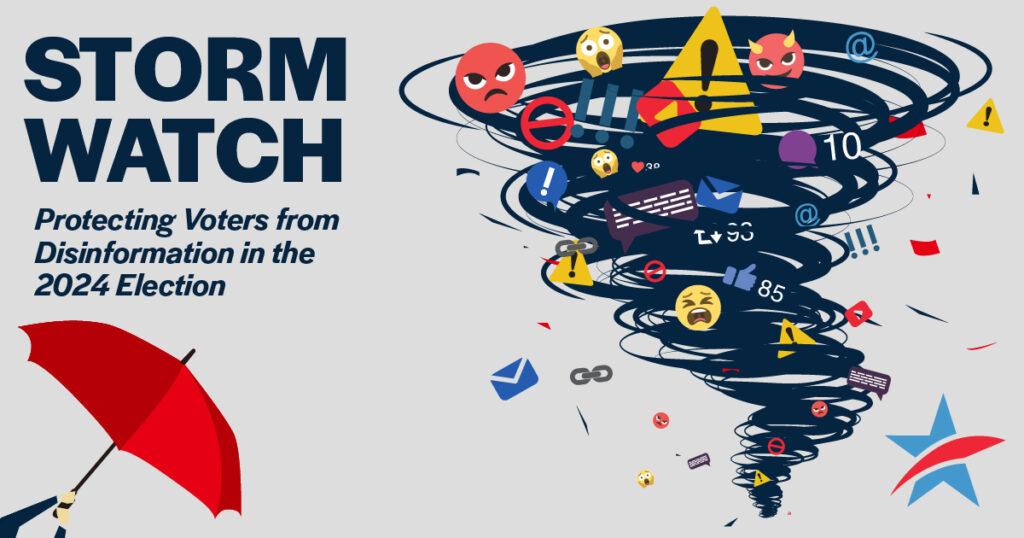
As election seasons unfold across Southeast Asia, the interplay between social media algorithms and political agendas is reshaping the region’s democratic landscape. Increasingly sophisticated methods of disinformation and misinformation are being deployed to influence voter perceptions and undermine electoral integrity. The Tech For Good Institute has launched an in-depth examination into how digital platforms amplify false narratives during elections, spotlighting the challenges governments, civil society, and technology companies face in combating these threats. This report sheds light on the mounting risks posed by algorithm-driven content distribution and the urgent need for coordinated response strategies to safeguard the region’s electoral processes.
The Role of Social Media Algorithms in Amplifying Election Falsehoods
Social media platforms rely heavily on complex algorithms designed to maximize user engagement by curating content tailored to individual preferences. However, this approach often leads to the unintended consequence of amplifying election-related falsehoods, as sensational or emotionally charged posts tend to receive higher visibility. These algorithms prioritize content that generates rapid interaction, inadvertently elevating misinformation and disinformation that exploit divisive political narratives. As a result, voters in Southeast Asia are increasingly exposed to distorted realities, which can undermine democratic processes and distort public perception during critical election periods.
Several factors contribute to the pervasive spread of false election information on these platforms:
- Echo Chambers: Algorithmic curation creates feedback loops where users encounter content that reinforces their existing beliefs.
- Rapid Dissemination: False content propagates faster than fact-checking interventions can respond.
- Manipulative Campaigns: Organized efforts leverage algorithms to target vulnerable demographics with tailored misinformation.
| Algorithm Feature | Impact on Election Content |
|---|---|
| Engagement Metrics | Elevates sensational claims |
| Personalization | Reinforces biases |
| Virality Triggers | Spreads misinformation rapidly |
Unpacking Regional Disinformation Campaigns and Their Political Agendas
Across Southeast Asia, disinformation campaigns have evolved into sophisticated operations that blend local grievances with wider political objectives. These campaigns often exploit ethnic, religious, and socio-economic fault lines, aiming to sow discord and manipulate public opinion ahead of critical elections. State and non-state actors alike harness the anonymity and reach of social media platforms, deploying tactics such as fake news, doctored images, and coordinated bot networks to amplify divisive narratives. The result is a complex information landscape where truth becomes malleable and citizen trust in democratic processes faces significant erosion.
- Targeted messaging: Leveraging demographic data to tailor disinformation that resonates with specific communities.
- Cross-border influence: Neighboring countries and transnational groups injecting their agendas under the guise of local concerns.
- Algorithmic amplification: Leveraging engagement-driven algorithms to spread polarizing content rapidly.
| Country | Common Disinformation Themes | Primary Platforms Used |
|---|---|---|
| Indonesia | Religious polarization, voter fraud claims | Facebook, WhatsApp |
| Philippines | Political smear campaigns, fake endorsements | Twitter, TikTok |
| Myanmar | Ethnic conflict misinformation, military propaganda | Facebook, Telegram |
Analyzing these trends clarifies how disinformation is not random but a calculated strategy embedded within larger political agendas. By understanding the content, channels, and timing of these campaigns, stakeholders can develop targeted countermeasures. This includes enhancing media literacy, promoting transparency in algorithmic processes, and fostering collaboration between governments, civil society, and technology platforms. Only through a multi-faceted, region-specific approach can the persistent threat of electoral disinformation be mitigated, safeguarding democracy from manipulation at its core.
Strategies and Tech Innovations to Combat Election Misinformation in Southeast Asia
Amidst the rising tide of electoral misinformation across Southeast Asia, technology stakeholders and civil society organizations have championed a mix of *cutting-edge tools* and *community-driven initiatives* to stem the spread of false narratives. Advanced machine learning algorithms are now being deployed to detect and flag suspicious content in multiple local languages, enhancing early intervention capabilities. Meanwhile, collaborations with social media platforms enable real-time monitoring, allowing swift removal of fabricated posts before they gain traction. These tech innovations are complemented by digital literacy campaigns tailored to diverse demographics, empowering voters to discern fact from fiction in a rapidly evolving information ecosystem.
Several regional governments and NGOs have also invested in open-source platforms that aggregate verified data, fostering transparency and accountability in electoral processes. The integration of blockchain technology for secure vote tallying and verification further exemplifies efforts to bolster public trust. Below is a snapshot of some prominent initiatives making a tangible impact:
| Initiative | Technology Used | Primary Focus |
|---|---|---|
| SpeakUp Pilipinas | AI-Powered Fact-Checking | Disinformation Detection |
| TruthGuard SEA | Blockchain Verification | Election Transparency |
| VerifyLocal | Mobile Literacy Apps | Public Awareness |
| SignalWatch | Real-Time Content Monitoring | Social Media Surveillance |
- Multi-lingual AI models help overcome language barriers and regional dialects.
- Community feedback loops ensure that flagged content is reviewed locally for cultural context.
- Partnerships between tech companies and governments facilitate policy-backed countermeasures.
- Enhanced user reporting tools encourage civic participation in misinformation identification.
Insights and Conclusions
As Southeast Asia continues to witness the growing influence of digital platforms in shaping public opinion, the challenge of election-related disinformation and misinformation remains a critical concern. Addressing this complex issue requires a multifaceted approach-one that combines technological innovation, regulatory oversight, and public awareness. The Tech For Good Institute’s work sheds important light on how algorithms can both propagate and combat deceptive narratives during elections, underscoring the need for transparency and accountability in digital ecosystems. As the region moves toward future electoral cycles, stakeholders must prioritize collaboration to safeguard democratic processes and ensure that voters can make informed decisions free from manipulation.