

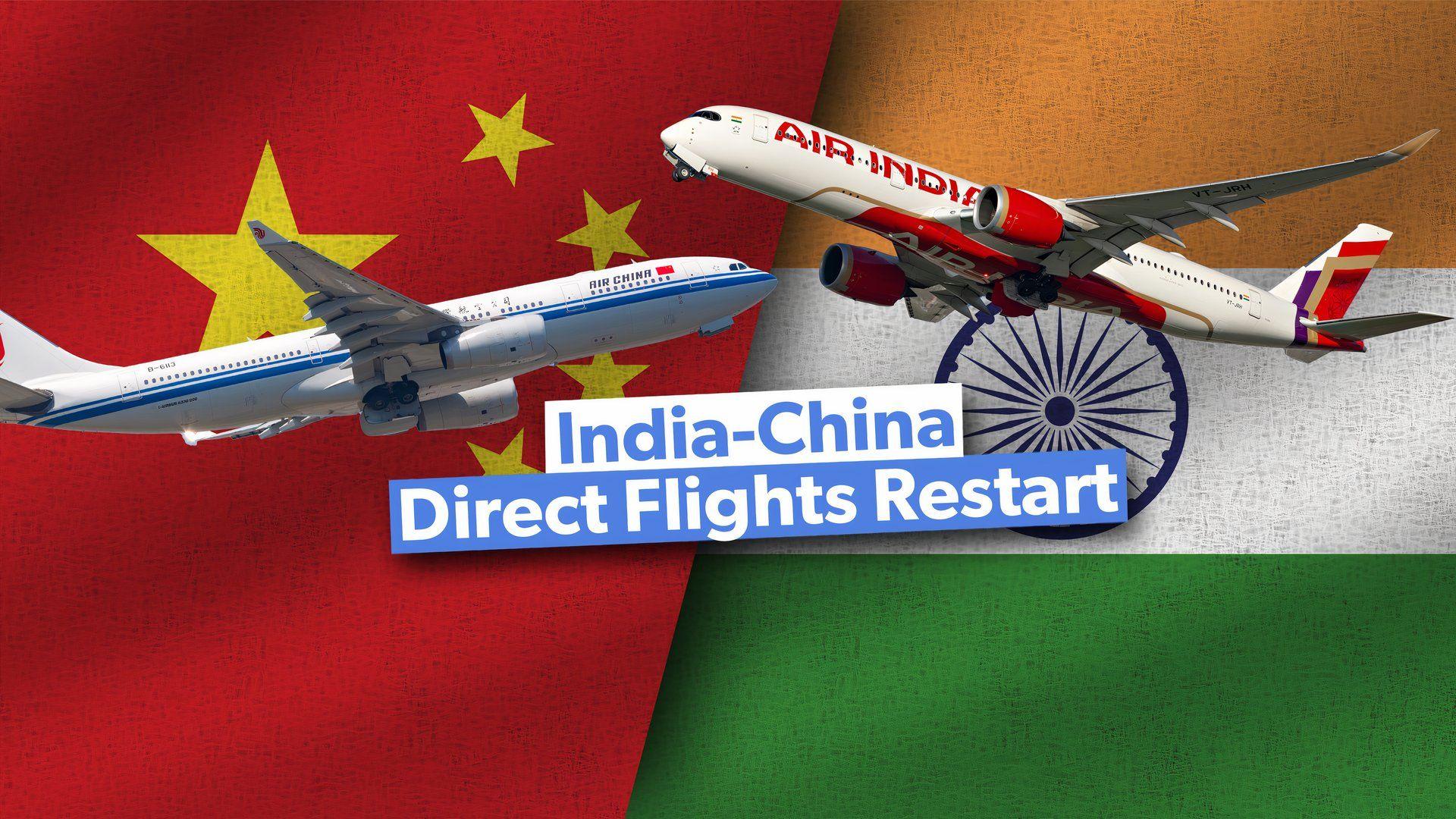
After a prolonged suspension due to the COVID-19 pandemic and geopolitical tensions, India-China flights have officially resumed, marking a significant milestone in the restoration of bilateral connectivity. The return of these air services has been widely welcomed by governments, businesses, and travelers alike, signaling a hopeful revival of trade, tourism, and cultural exchange between the two Asian giants. This development, reported by the Asia News Network, underscores a gradual easing of restrictions and a step toward normalizing relations amid ongoing regional challenges.
India China Flight Resumption Marks Milestone in Post-Pandemic Connectivity
The revival of regular flights between India and China signals a significant step toward restoring mutual economic and cultural ties that were heavily impacted by the pandemic. Airlines from both countries have resumed operations after a break of nearly three years, enabling smoother people-to-people exchanges and enhanced business collaboration. This move is widely expected to fuel tourism, trade, and investment opportunities, rejuvenating sectors that are vital for the bilateral relationship.
Highlights of the Flight Resumption:
- Initial routes include direct flights between Delhi to Beijing and Mumbai to Shanghai.
- Enhanced health and safety protocols remain in place to ensure traveler safety.
- Expected boost in cargo flights to facilitate faster movement of goods.
- Renewed aviation agreements reflect diplomatic goodwill and mutual trust.
| Route | Flight Frequency (weekly) | Airlines Operating |
|---|---|---|
| Delhi – Beijing | 5 | Air India, China Eastern |
| Mumbai – Shanghai | 3 | IndiGo, China Southern |
Boost to Trade and Tourism Expected as Air Links Reopen
The resumption of direct flights between India and China marks a pivotal moment for both nations, promising a significant uplift in bilateral trade and tourism. Industry experts anticipate an increase in cross-border business ventures, facilitated by smoother logistics and reduced transit times. This connectivity is expected to stimulate economic activities, particularly benefiting export-import sectors and boosting regional markets.
Key advantages include:
- Enhanced accessibility for tourists and business travelers
- Reduced airfare, promoting budget-friendly travel options
- Strengthened cultural and educational exchanges
- Improved supply chain efficiency across major commercial hubs
| Sector | Projected Growth | Impact Timeline |
|---|---|---|
| Tourism | 25% | 6-12 months |
| Trade | 18% | 1 year |
| Hospitality | 22% | 6 months |
| Education | 15% | 1-2 years |
Experts Urge Enhanced Bilateral Collaboration to Sustain Aviation Growth
Industry leaders emphasize that the resumption of India-China flights is not merely a return to pre-pandemic connectivity but a critical step towards stabilizing and expanding the aviation sector across Asia. Experts argue that fostering deeper cooperation between the two countries will unlock new routes, increase passenger capacity, and promote economic growth through enhanced tourism and trade. Central to this vision is the integration of safety protocols, streamlined customs procedures, and shared real-time data to minimize operational disruptions.
Key proposals for sustained aviation growth include:
- Joint task forces to oversee bilateral route optimization and capacity enhancement
- Collaborative training programs focused on airport security and eco-friendly aviation technologies
- Regular diplomatic dialogues to resolve regulatory barriers and improve bilateral air service agreements
| Priority Area | Expected Benefit |
|---|---|
| Route Expansion | 25% increase in weekly flights |
| Safety Collaboration | Reduced delays by 15% |
| Customs & Immigration | Faster processing times |
To Wrap It Up
The resumption of India-China flights marks a significant step towards restoring bilateral connectivity and easing travel restrictions that had been in place for over three years. As both nations navigate complex geopolitical dynamics, the revival of direct air links is being welcomed by governments, businesses, and travelers alike, signaling a cautious yet hopeful move towards normalizing ties. Stakeholders will be watching closely to see how this development influences broader diplomatic and economic relations in the region.