

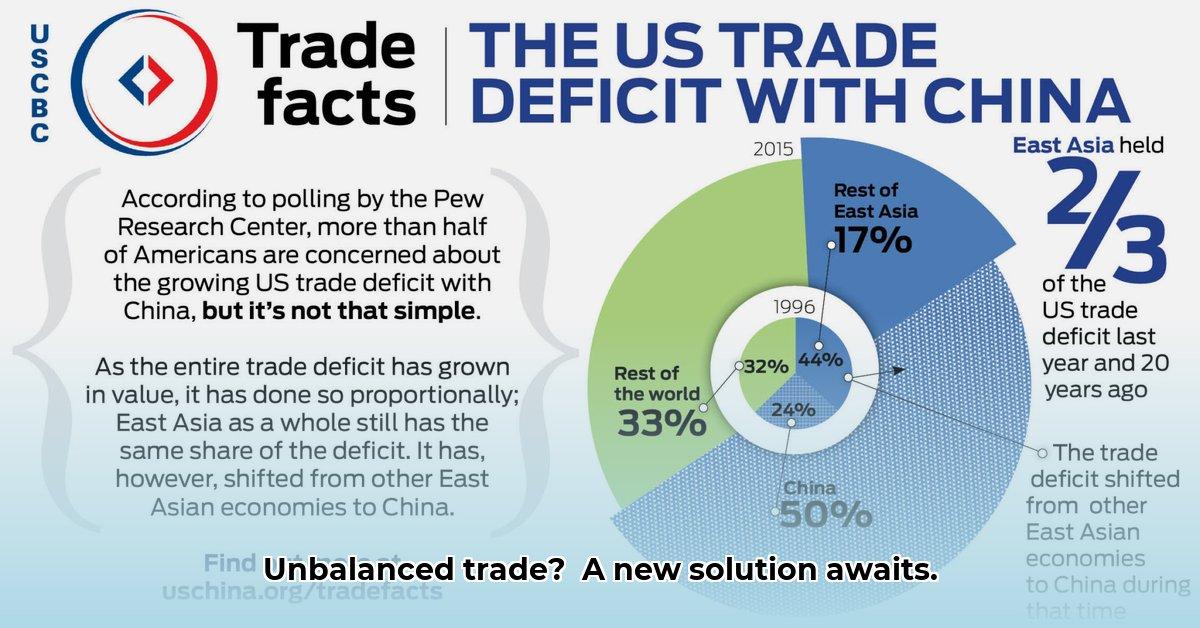
As global trade dynamics continue to shift, much attention has focused on the disruptions stemming from former U.S. President Donald Trump’s protectionist policies. Yet, beneath the headlines dominated by Western tensions lies a significant but often overlooked issue: Asia’s own self-inflicted trade challenges. From rigid supply chains to conflicting regional priorities, the continent faces structural and policy-driven obstacles that threaten its role as the world’s manufacturing powerhouse. This article explores how Asia’s trade problems are not merely collateral damage from external pressures but the result of decisions and dynamics within the region itself.
Asia’s internal trade barriers undermine regional growth and integration
Despite Asia’s rapid economic growth, the region continues to grapple with a web of protectionist policies and bureaucratic hurdles that stifle the free flow of goods and services. National interests often take precedence over regional cooperation, creating a patchwork of tariffs, regulatory discrepancies, and customs procedures that inflate costs and delay shipments. Such barriers disproportionately impact small and medium-sized enterprises, curtailing their ability to participate in cross-border trade and limiting the benefits of regional supply chains. Experts warn that without concerted efforts to harmonize standards and simplify trade protocols, Asia’s potential as a cohesive economic bloc will remain unfulfilled.
Key factors contributing to these internal frictions include:
- Non-tariff barriers: Complex licensing requirements and opaque certification processes.
- Infrastructure gaps: Inadequate transport and logistics frameworks between countries.
- Political sensitivities: Border disputes and nationalist policies that discourage cooperation.
| Trade Barrier Type | Impact on Regional Trade | Example Countries |
|---|---|---|
| Customs clearance delays | Increased lead times, higher costs | India, Indonesia |
| Divergent standards | Product rejection, compliance costs | China, Vietnam |
| Import quotas | Restricted market access | Thailand, South Korea |
The challenge for Asian economies lies in striking a balance between protecting domestic industries and embracing deeper integration. If progress stalls, Asia risks fragmenting into selective trading blocs, missing out on the economic dynamism that comes from seamless regional markets. For policymakers, the message is clear: overcoming internal barriers is just as crucial as managing external trade tensions, if not more so.
Complex regulations and infrastructure gaps stall supply chain efficiency
Across Asia, supply chains are increasingly tangled in a web of bureaucratic hurdles and outdated infrastructure, hampering the region’s ability to capitalize on global trade opportunities. Despite being home to some of the world’s busiest ports and manufacturing hubs, many countries face cumbersome customs procedures, fragmented regulations, and inconsistent standards. These inefficiencies lengthen shipment times, increase costs, and reduce overall competitiveness in a marketplace that demands speed and agility.
Key challenges include:
- Complex multi-layered regulations that vary not only between countries but often within regions, creating uncertainty for exporters and importers alike.
- Insufficient investment in logistics infrastructure, notably in hinterland connectivity such as roads and rail links that delay last-mile delivery.
- Limited adoption of digital technologies for customs clearance and inventory management, preventing streamlined operations.
| Country | Average Customs Clearance Time | Logistics Performance Index (LPI) |
|---|---|---|
| Indonesia | 5 days | 3.18 |
| Malaysia | 3 days | 3.53 |
| Vietnam | 4 days | 3.27 |
| Philippines | 6 days | 2.90 |
Policy reforms aimed at harmonizing standards and boosting cross-border cooperation essential for future resilience
In an increasingly interconnected Asia, inconsistent regulatory frameworks and diverging standards have emerged as significant barriers to seamless trade. Addressing these discrepancies requires bold policy initiatives focused on synchronization and mutual recognition of regulations across borders. Governments must prioritize the establishment of unified norms for product safety, environmental compliance, and data protection, which would not only reduce administrative overhead but also eliminate redundancies that currently slow down supply chains.
Key areas for reform include:
- Standardizing customs procedures to expedite cross-border clearance
- Developing interoperable digital trade platforms for transparent transactions
- Enhancing cooperation frameworks that foster dispute resolution and joint economic development
| Policy Focus Area | Current Challenge | Projected Benefit |
|---|---|---|
| Regulatory Harmonization | Fragmented standards | Lower compliance costs |
| Customs Integration | Time-consuming border checks | Faster trade flows |
| Digital Infrastructure | Lack of interoperability | Increased transparency |
Only by embracing cooperative reforms can Asia build the resilience necessary to withstand global shocks while unlocking its full economic potential. The region’s future depends on transcending nationalistic protectionism and fostering an environment where collaboration is prioritized, enabling businesses to thrive across borders with confidence and agility.
Insights and Conclusions
As Asia grapples with its own complex trade challenges-ranging from protectionist policies to fragmented supply chains-the region’s economic future hinges on its willingness to address these issues head-on. While much attention has focused on external pressures such as US-China tensions and the legacy of the Trump administration, the deeper, structural problems within Asian trade frameworks cannot be ignored. Resolving these internal obstacles will be crucial for Asia to sustain its growth and maintain its central role in the global economy.