

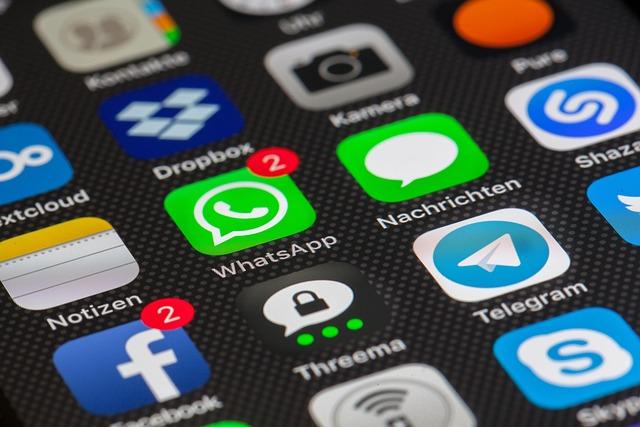
Indonesian children are voicing growing anxiety over a proposed social media ban that they say could upend both their education and daily lives. As policymakers in Jakarta debate tighter online restrictions in the name of safety and national security, students from primary school to high school warn that sweeping controls risk cutting off vital learning tools, classroom resources and a key source of entertainment and social connection. Their concerns highlight a widening generational divide over how to balance digital protection with digital opportunity in one of the world’s most active social media markets.
Impact on Indonesian childrens education as social media restrictions threaten online learning access
Teachers, parents and students across the archipelago warn that sweeping curbs on social media platforms risk tearing down the fragile digital ladder that has connected millions of children to classrooms since the pandemic. In remote districts from Papua to North Kalimantan, WhatsApp groups, Instagram broadcasts and TikTok Live sessions double as low-cost learning channels for schools with few books and irregular teacher attendance. Education activists caution that without clear exemptions for verified learning accounts, a blanket ban could cut off lesson announcements, assignment submissions and video tutorials that have become a lifeline for pupils juggling weak infrastructure and long travel distances.
Child-rights groups note that the same apps often serve as a bridge between study and leisure, sustaining attention and motivation in a system grappling with high dropout rates. For many low-income families, a single data package funds both schoolwork and after-class entertainment, blurring any neat line between “educational” and “non-educational” use. Stakeholders are urging policymakers to prioritize:
- Zero-rated access to accredited learning channels on major platforms
- Transitional guidelines so schools can migrate materials to alternative portals
- Safeguards for vulnerable students who rely on group chats for homework support
- Monitoring mechanisms to track any spike in absenteeism or dropout linked to the policy
| Group | Main Online Use | Risk if Restricted |
|---|---|---|
| Primary pupils | Homework videos, teacher voice notes | Falling behind in basic literacy, numeracy |
| Junior high students | Exam prep groups, digital worksheets | Lower test performance, higher anxiety |
| Senior high students | University info, scholarship updates | Missed opportunities, widening inequality |
Entertainment and social connection at risk as young Indonesians brace for life without digital platforms
For many teenagers in Jakarta, Surabaya and Makassar, evenings once filled with shared memes, livestreamed concerts and collaborative fan projects now feel uncertain. Group chats that sustained friendships across provinces, and online communities that allowed shy students to find their voice, could dissolve overnight if popular apps go dark. Young Indonesians say they rely on platforms not only for distraction, but also for crucial social cues: how to dress, speak, and even understand current events. Without them, they fear a return to isolated neighbourhood cliques, fewer chances to interact across class and island divides, and a shrinking space for self-expression.
Parents and educators are divided over whether the looming restrictions will protect or isolate the country’s youth. While some welcome a slowdown in screen time, others warn that cutting off digital avenues may also erase affordable leisure options for families already stretched by rising costs. Teen users point out that their entertainment feeds have become intertwined with informal learning, from language challenges to short explainers on science and civics. A sudden shutdown, they argue, would disrupt:
- Fan communities that organise charity drives and local meet-ups
- Online gaming circles where friendships form across islands
- Music and dance trends that give rural youths a national stage
- Comedy and satire channels that help decode serious news
| Age Group | Main Online Activity | Key Concern |
|---|---|---|
| 13-15 | Short videos, gaming | Losing friends made online |
| 16-18 | Fan culture, live streams | Missing creative outlets |
| 19-21 | Content creation, side gigs | Impact on income and networking |
Policy options to protect minors from online harms while preserving educational and recreational benefits
Instead of sweeping bans, experts urge Jakarta to pursue a layered approach that keeps children online, but safer. Regulators are weighing requirements for platforms to deploy age-appropriate design, defaulting young users into stricter privacy settings and disabling addictive features such as endless scrolling for verified minors. Policymakers are also considering clearer obligations for companies to remove illegal content within fixed deadlines, alongside independent audits of their child-safety tools. At the same time, education officials argue that any new rules must preserve access to digital classrooms, public information campaigns and government learning portals that already rely heavily on social media distribution.
Advocates say the most sustainable protections will come from combining smart regulation with strong community support. Proposed measures under discussion include:
- Digital literacy curriculum in schools, focusing on critical thinking, privacy and cyberbullying.
- Parental control toolkits in Bahasa Indonesia and local languages, co-developed with civil society.
- Time-use safeguards, such as app-level “study modes” negotiated with major platforms.
- Targeted subsidies for safe educational apps so low-income families are not forced onto riskier free products.
| Policy Tool | Main Goal | Risk if Absent |
|---|---|---|
| Age-appropriate design rules | Reduce exposure to harmful content | Children face unfiltered feeds |
| Platform accountability audits | Verify safety promises | Opaque, voluntary self-policing |
| School-based digital literacy | Teach safe, critical use | Students rely on peer myths |
| Subsidised edu-tech access | Protect learning continuity | Learning shifts to unsafe channels |
Final Thoughts
As Indonesia’s authorities weigh tighter controls on digital platforms, the voices of its youngest users highlight what stands to be lost alongside efforts to curb online harms. For now, classrooms, homes and streets remain caught between competing imperatives: protecting children from the worst of the internet while preserving the access that has quietly become essential to their education and daily lives.
How the government balances those demands – and whether it can craft regulations that safeguard without silencing – will shape not only the country’s social media landscape, but also the futures of a generation that has grown up online.