

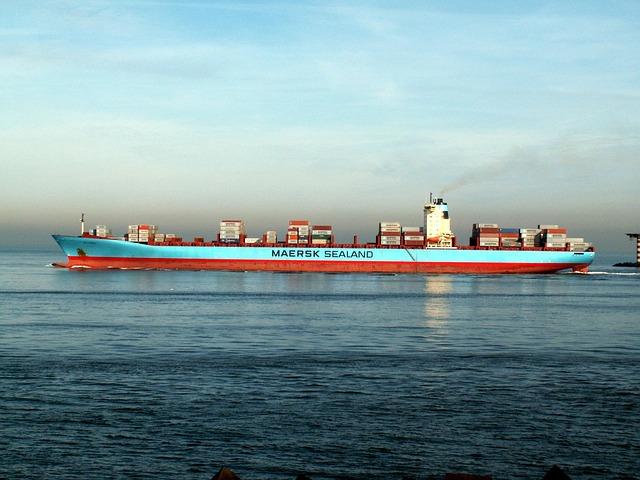
Maersk Asia Pacific Shipping Brief – August 2026
A concise, tactical guide to rates, capacity shifts and routing choices
Overview
AP Moller‑Maersk’s August 2026 market commentary underscores an Asia Pacific shipping environment that is steady in demand but increasingly shaped by localized port stresses, shorter contracting horizons and a structural rebalancing of trade toward Southeast and South Asia. This briefing distils Maersk’s observations into actionable intelligence for shippers, 3PLs and supply‑chain planners operating across the region in H2 2026, and adds pragmatic examples and checklist items to apply immediately.
What’s changed this month – the headlines
- Divergence between contracted and spot pricing has widened: spot exposure is producing sharper, more frequent spikes on selected routes.
- Contract windows are shrinking as shippers value flexibility; index‑linked pricing and volume bands are becoming common.
- Carriers are fine‑tuning capacity by blanking sailings selectively, up‑topping vessels on core strings and routing more cargo through secondary hubs to manage terminal congestion.
- China+1 and broader nearshoring trends continue to redirect flows to Vietnam, Indonesia and India, increasing north-south and intra‑regional activity.
Trade‑lane pulse: practical implications and tactical moves
Asia → North Europe
- Market tone: firmer on the spot market, with carriers tightening effective capacity on high‑demand sailings.
- Capacity behavior: selective upsizing on primary loops; some consolidation of direct calls to preserve load factors.
- Tactical response: protect immediate season volumes with short‑term indexed contracts and consider splitting shipments across sailings or gateways to manage both lead times and cost.
Asia → West Coast North America
- Market tone: relatively range‑bound to soft, but pockets of volatility remain.
- Capacity behavior: operators are redeploying tonnage to alternative Pacific hubs and pushing more cargo onto feeder networks.
- Tactical response: evaluate Pacific Northwest routings, consider increased pooling with regional carriers and plan earlier equipment repositions.
Intra‑Asia
- Market tone: strengthening demand driven by nearshoring and intra‑regional sourcing.
- Capacity behavior: more services and strings calling Southeast Asian hubs; higher transshipment and feeder activity.
- Tactical response: negotiate flexible capacity blocks, embrace rail‑sea or short‑sea options where useful to mitigate berth delays.
Illustrative case (new example)
A mid‑tier electronics component supplier shifted a tranche of Q3 outbound loads from a Shanghai terminal to Port Klang and used short‑sea feeders plus a longer inland leg. The change cut variability in vessel acceptance and reduced late‑slot penalties, enabling the manufacturer to hit tight assembly timelines despite a modest increase in inland transport. This mirrors a broader strategy: accept slightly longer door‑to‑door transit in exchange for predictable vessel intake and fewer schedule surprises.
Underlying forces reshaping networks
1) Supply‑base diversification (China+1 / nearshoring)
Manufacturers are moving more sourcing and factories into Southeast and South Asia. The effect: stronger north-south flows, more intra‑regional sailings and growing pressure on secondary hubs.
2) Contract evolution
Procurement teams are shifting from fixed, long‑dated contracts to shorter tenors with index links, volume bands and explicit service KPIs. This reduces long‑tail exposure to spot spikes while preserving responsiveness.
3) Operational concentration and tactical capacity management
Carriers are optimising rotations-blank sailings, up‑topping, and multi‑hub rotations-to protect yields. The result is tighter effective capacity on affected strings, even without a decline in nominal vessel capacity.
Operational pressures: ports, equipment and corridor risk
Maersk’s regional data, corroborated by industry trackers, points to recurring congestion at several major gateways and equipment imbalances during peak export windows. Rather than viewing these as isolated terminal issues, leading logistics teams are designing resilience across corridors-mixing primary ports with reliable secondary gateways and pre‑planned multimodal alternatives.
Practical operational steps
- Plan corridors, not single ports: sequence inland moves with sea legs to prevent terminal stacking.
- Secure earlier allocations for promotional or seasonal peaks and maintain contingency blocks.
- Build regional buffer hubs to absorb short‑term swings and reduce roll‑overs.
- Increase depot diversity and participate in shared empty‑container pools to mitigate equipment shortages.
Contracting and procurement: practical clauses to adopt
Typical clauses that are gaining traction in 2026:
- Volume bands with call‑off flexibility instead of fixed box counts.
- Indexed pricing with agreed caps and floors around published route benchmarks to limit downside/upside volatility.
- Performance triggers that automatically activate contingency capacity (extra sailings or alternate ports) if schedule reliability or berth productivity deteriorates beyond a defined threshold.
How leading Asia Pacific shippers are adapting (snapshot)
- Contract length: moving from 12-24 month fixed agreements to 6-12 month tenors with index adjustment clauses.
- Carrier strategy: expanding from 2-3 core carriers to a 4-6 carrier panel to spread exposure.
- Gateway approach: replacing single‑gateway dependence with multi‑gateway, multimodal routing plans.
- Risk posture: evolving from reactive rebookings to scenario planning with pre‑agreed contingency plays.
Action checklist – what to implement now
1) Establish monthly corridor scorecards that combine berth productivity, blank sailing occurrence and average dwell times to guide routing choices.
2) Shorten contracting cycles; embed index linkage with transparent caps/floors to preserve budget control and flexibility.
3) Diversify ports and carrier partners; secure standing contingency allocations with at least two alternate gateways for each major origin.
4) Invest in end‑to‑end visibility – integrate ETA, berth and equipment tracking to reduce blind spots that trigger costly re‑routing.
5) Codify disruption playbooks with clear triggers (for example, X% rise in waiting times) and pre‑negotiated mode‑shift options (rail‑sea, air‑sea) to accelerate execution.
Short‑term outlook through Q4 2026 – watchpoints
- Expect continuing separation between contract and spot markets; spot spikes may occur around holiday peaks, promotional events and during severe weather.
- Reliable secondary hubs are likely to capture more throughput as shippers adopt multi‑hub strategies.
- Carriers will continue tactical capacity moves-blank sailings and upsizing-to defend yields, which may produce episodic supply squeezes on particular strings.
- Monitor industry rate indices and Maersk releases for early signals on rate direction and carrier capacity adjustments as companies set plans for 2027.
Concluding perspective
Maersk’s August 2026 observations describe an Asia Pacific market that is shifting from single‑track optimisation to a flexibility‑first paradigm. Shippers and logistics providers that shorten decision cycles, broaden routing choices, and bake contingency into contracts and operations will be best positioned to manage volatility and capitalise on the region’s trade reconfiguration. Maintain corridor‑level monitoring, diversify your carrier/ gateway mix, and institutionalise disruption responses so that contingency becomes a standard operating mode rather than an emergency fix.
Stay current
Keep reviewing Maersk’s regional releases and key market indices through Q4 2026 for directional guidance on rates and capacity as you finalise plans for 2027.