

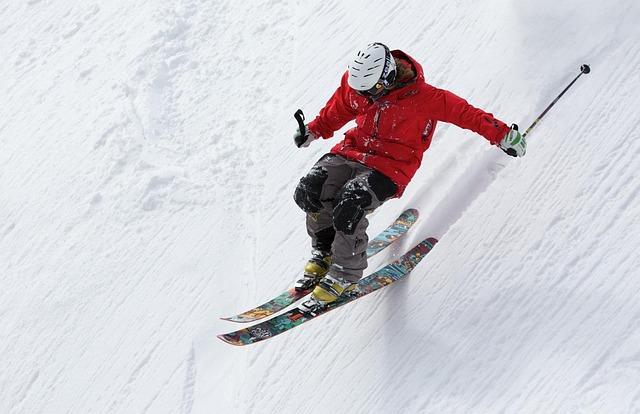
East Asia is poised to take center stage once again as the world’s top winter athletes converge under the Olympic spotlight, turning icy arenas and snow-covered slopes into a high-stakes proving ground of regional ambition. Long dominated by traditional powerhouses from Europe and North America, winter sports are increasingly shaped by the rising competitiveness of countries like South Korea, Japan and China – nations now determined not only to claim more medals, but to cement their status as global sporting heavyweights. As the latest Winter Games unfold, the Olympics are emerging as a critical test of both mettle and medals for East Asia, revealing how far the region has come – and how much further it is prepared to go.
East Asia chases winter glory as Olympic pressure exposes gaps in depth and funding
As the winter showcase unfolds, traditional East Asian powerhouses are discovering that a handful of headline-grabbing stars can no longer mask structural frailties. National federations are under pressure to deliver not just podiums, but sustainable pipelines, yet funding still skews heavily toward a few marquee disciplines. Coaches and athletes point to persistent gaps in support structures, from inadequate medical teams to outdated training facilities, even as governments trumpet ambitious medal targets. In several countries, the public expects a repeat of past glories, but insiders warn that without deeper investment, success will remain cyclical and vulnerable to the retirement of a single superstar.
This strain is most evident in events that demand long-term infrastructure and broad participation bases, where East Asia lags behind European and North American rivals. Performance staff quietly note that sports science and analytics remain underutilized, while junior athletes often rely on short-term scholarships or corporate patronage that can disappear after one bad season. The fault lines are clear in the contrast between elite hubs and regional clubs, where equipment is scarce and international exposure is a luxury rather than a norm. Amid spiraling expectations, national committees are weighing how to diversify their portfolios, with some targeting previously neglected disciplines through:
- Targeted grassroots programs in smaller cities and colder rural regions
- Public-private partnerships to modernize rinks, tracks and training centers
- Exchange schemes with European clubs for year-round on-ice experience
- Performance-based funding models tied to depth, not just medals
| Country | Key Focus Sport | Main Weakness |
|---|---|---|
| South Korea | Short track | Limited diversification |
| Japan | Figure skating | Regional facility gaps |
| China | Freestyle & aerials | Post-Games funding drop-off |
Host nations leverage home advantage but structural weaknesses threaten long term medal prospects
From PyeongChang to Beijing and now to Sapporo’s potential bid horizon, East Asian hosts have consistently ridden a wave of roaring crowds, familiar ice and snow, and tailored preparation cycles to inflate their medal tallies. Federations quietly reshuffle funding in the quadrennial lead-up, national teams secure priority access to newly built rinks and slopes, and athletes gain an almost forensic knowledge of local conditions-from wind corridors on ski jumps to the quirks of indoor ice humidity. That mix of logistical control and psychological lift has translated into podium spikes for Korea, Japan and China whenever the flame is lit on home soil.
Yet beneath the televised spectacle, sports economists and high-performance directors warn that the scaffolding remains fragile. Once the cauldron is extinguished, budgets often contract, talent pipelines thin out and venues slip into underuse. Analysts point to a pattern of short-lived surges followed by stagnation, underpinned by structural flaws:
- Overconcentration of funds in a handful of medal-heavy disciplines
- Limited grassroots participation outside major metropolitan hubs
- Short Olympic planning cycles with weak legacy mandates
- Dependence on imported coaching instead of domestic expertise
| Host | Games | Medals at Home | Medals Next Winter Games |
|---|---|---|---|
| South Korea | PyeongChang 2018 | 17 | ↓ to low double digits |
| China | Beijing 2022 | 15 | Legacy impact still uncertain |
| Japan | Nagano 1998 | 10 | Plateaued in following cycles |
Experts urge investment in youth pipelines and regional cooperation to turn fleeting success into sustained winter sports power
Coaches and policy analysts across the region warn that podium finishes in a single Olympic cycle mean little without a deep bench of teenage and pre-teen prospects. They are calling for long-term funding guarantees, closer links between schools and elite clubs, and athlete-career programs that prevent early burnout. In Korea, Japan and China alike, winter federations are being pressed to shift resources from last-minute elite training camps to year-round talent identification in smaller cities and mountain towns. The goal, they say, is to replace one-off breakthroughs with a steady stream of athletes who are comfortable on ice and snow before they enter high school.
- Cross-border training exchanges to share coaching expertise
- Joint junior championships rotating among East Asian venues
- Shared sports science hubs for injury prevention and data analysis
- Scholarship programs targeting underrepresented regions and sports
| Country | Key Focus | Target Year |
|---|---|---|
| South Korea | Nationwide youth skating academies | 2030 |
| Japan | Integrated school-ski club pathways | 2032 |
| China | Winter-sport schools in northern provinces | 2034 |
Regional sports officials argue that collaboration, not rivalry alone, will determine whether East Asia can rival Europe and North America over the long term. They note that shared ice rinks and alpine facilities, coordinated competition calendars and harmonized coaching standards could reduce costs and stabilize athlete development. With climate change squeezing natural snowfall and tightening government budgets, experts say pooling resources may be the only way to keep medal surges from fading into historical footnotes once the Olympic flame is extinguished.
Insights and Conclusions
As the flame prepares to dim on another Winter Games cycle, what happens next in East Asia’s rinks, slopes and sliding tracks will matter as much as any medal table. Investments in coaching and infrastructure, support for grassroots athletes, and the ability to withstand mounting political and economic pressures will determine whether this surge in winter sports is fleeting or foundational.
For Korea, Japan and China alike, the Olympics remain a rare arena where national ambition meets individual resilience on brutally cold ice and snow. How each country responds to both its triumphs and shortcomings in the coming years will reveal whether East Asia’s rise in winter sports is nearing its peak-or only just beginning.