

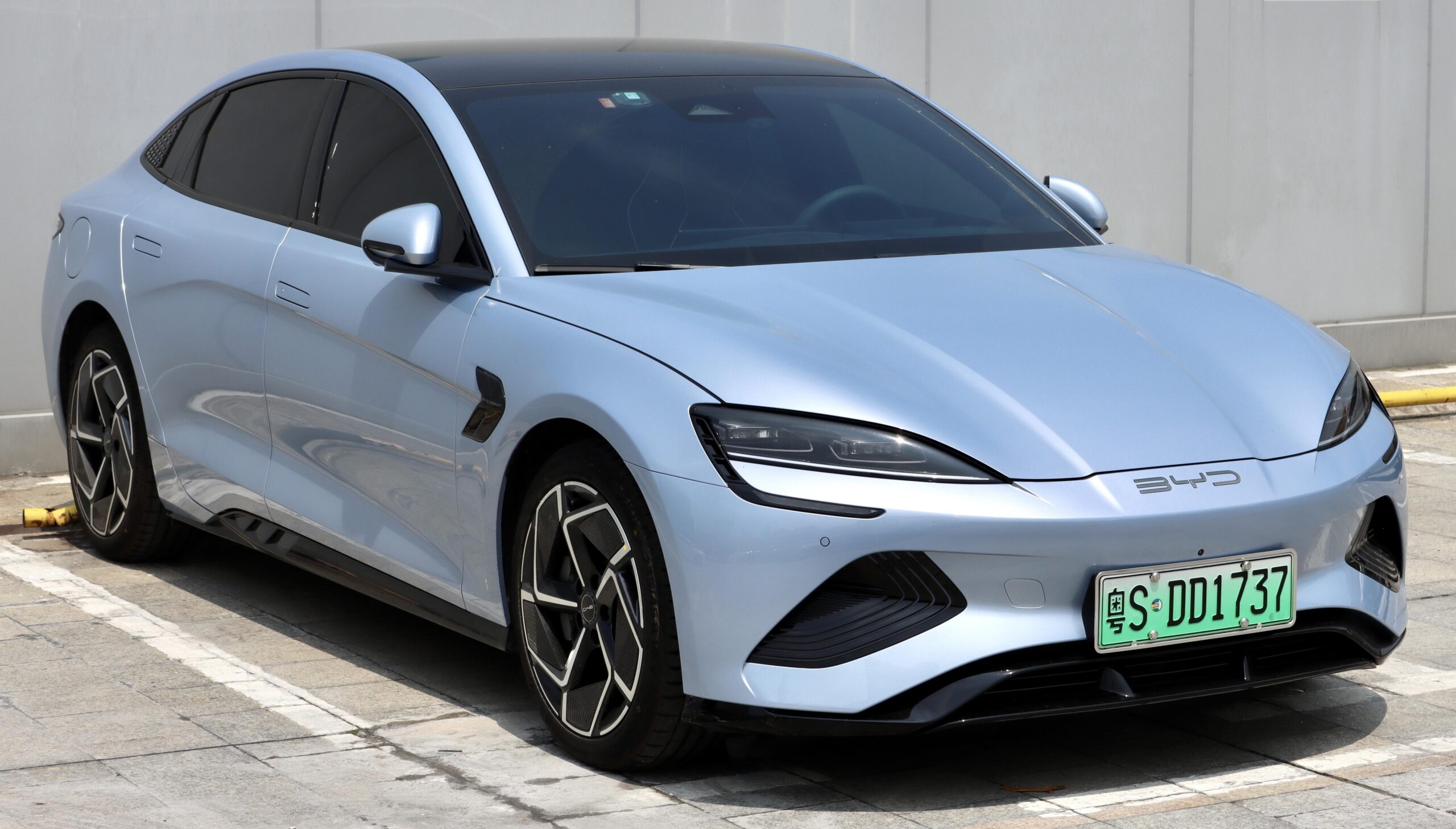
China’s electric vehicle behemoth BYD has recently reported a notable dip in sales, raising questions about its ambitious goal to reach 5.5 million vehicle deliveries by 2025. As one of the key players driving the global shift toward green mobility, BYD’s performance is closely watched by industry analysts and investors alike. This article examines the factors behind the sales slowdown, the challenges facing the company, and whether BYD can still stay on track to meet its high-reaching targets amid an increasingly competitive market landscape.
China’s EV Market Dynamics Challenge BYD’s Growth Trajectory
The once unstoppable surge of BYD in China’s electric vehicle sector is now encountering headwinds as the market experiences a noticeable slowdown. This deceleration is largely driven by intensifying competition from both domestic newcomers and international giants ramping up EV investments within China. Moreover, government policy adjustments, including tightening subsidies and stricter emissions regulations, are reshaping consumer preferences and dealer strategies. While BYD’s diversified product portfolio has allowed it to maintain substantial market presence, the company faces difficulties in sustaining its torrid pace of growth amidst these multifaceted challenges.
Key market factors impacting BYD’s trajectory include:
- Rising competition from emerging domestic brands offering budget-friendly EVs
- Increased import of foreign EV models with advanced technology
- Shifts in government EV incentives creating uncertainty for manufacturers
- Fluctuating raw material prices impacting production costs
| Metric | 2023 | Projected 2025 | Notes |
|---|---|---|---|
| BYD EV Sales (million) | 3.8 | 5.5 | Target amid market uncertainty |
| Market Share | 22% | ~25% | Challenged by new entrants |
| Average EV Price (RMB) | 140,000 | 135,000 | Competitive pricing expected |
Analyzing BYD’s Sales Performance and Key Market Pressures
After an impressive streak of growth, BYD’s recent sales figures have raised eyebrows across the EV industry. The company reported a modest decline in monthly deliveries, breaking its upward momentum amid intensifying competition both domestically and globally. Several key factors have converged to pressure BYD’s performance, chiefly increased raw material costs and supply chain disruptions that have impacted production timelines. Moreover, aggressive pricing strategies by emerging local startups and established global players are squeezing BYD’s market share, especially in tier-2 and tier-3 cities where price sensitivity remains high.
Despite these hurdles, BYD continues to leverage strategic initiatives aimed at sustaining growth. The company’s diversified product lineup, which includes affordable models alongside luxury EVs, bolsters its resilience. Additionally, its expansion into overseas markets is gaining traction. Below is a concise snapshot of the critical pressures impacting BYD’s sales dynamics:
- Raw material inflation: Nickel and cobalt prices have surged over 20% year-on-year.
- Regulatory adjustments: Shifts in subsidy policies have affected buyer incentives.
- Competitive pricing: Rivals undercutting BYD’s traditional price points.
- Supply chain bottlenecks: Semiconductor shortages delaying key components.
| Quarter | Sales Volume (Units) | Year-on-Year Growth |
|---|---|---|
| Q1 2024 | 380,000 | +5% |
| Q2 2024 | 365,000 | -3% |
| Q3 2024 | 350,000 | -7% |
Strategic Recommendations for BYD to Reclaim Momentum and Achieve Growth Targets
To regain market traction and meet its ambitious 5.5 million vehicles sales target by 2025, BYD must intensify its focus on innovation and market penetration. Prioritizing investments in next-generation battery technologies, like solid-state batteries, will not only boost vehicle range and reduce costs but also position BYD ahead of global rivals. Expanding localized production capabilities in key emerging markets such as Southeast Asia and Europe can mitigate supply chain risks while catering to region-specific consumer preferences. Additionally, forging strategic alliances with tech firms to enhance autonomous driving features and connected car ecosystems will reinforce BYD’s image as a forward-looking leader in electric mobility.
- Accelerate R&D on sustainable, cost-effective battery solutions.
- Expand assembly plants closer to high-growth international hubs.
- Leverage partnerships for AI-driven vehicle software advancements.
- Increase marketing efforts targeting younger, eco-conscious buyers.
| Strategic Focus | Expected Impact | Timeline |
|---|---|---|
| Battery Innovation | 15% cost reduction in production | 2024-2025 |
| New Market Entrances | 20% sales uplift | 2023-2025 |
| AI-Enabled Features | Improve brand differentiation | 2023-2024 |
| Digital Marketing Campaigns | Expand younger demographic reach | Immediate – 2024 |
To Conclude
As BYD navigates a challenging market environment marked by increasing competition and evolving consumer preferences, the road to its ambitious 5.5 million sales target in 2025 remains uncertain. While recent setbacks have raised concerns among investors and industry analysts, the company’s strategic initiatives and innovation capabilities could play a crucial role in reclaiming momentum. Stakeholders will be closely watching BYD’s next moves as it strives to reaffirm its position as a leading force in the rapidly growing electric vehicle market across Asia and beyond.