

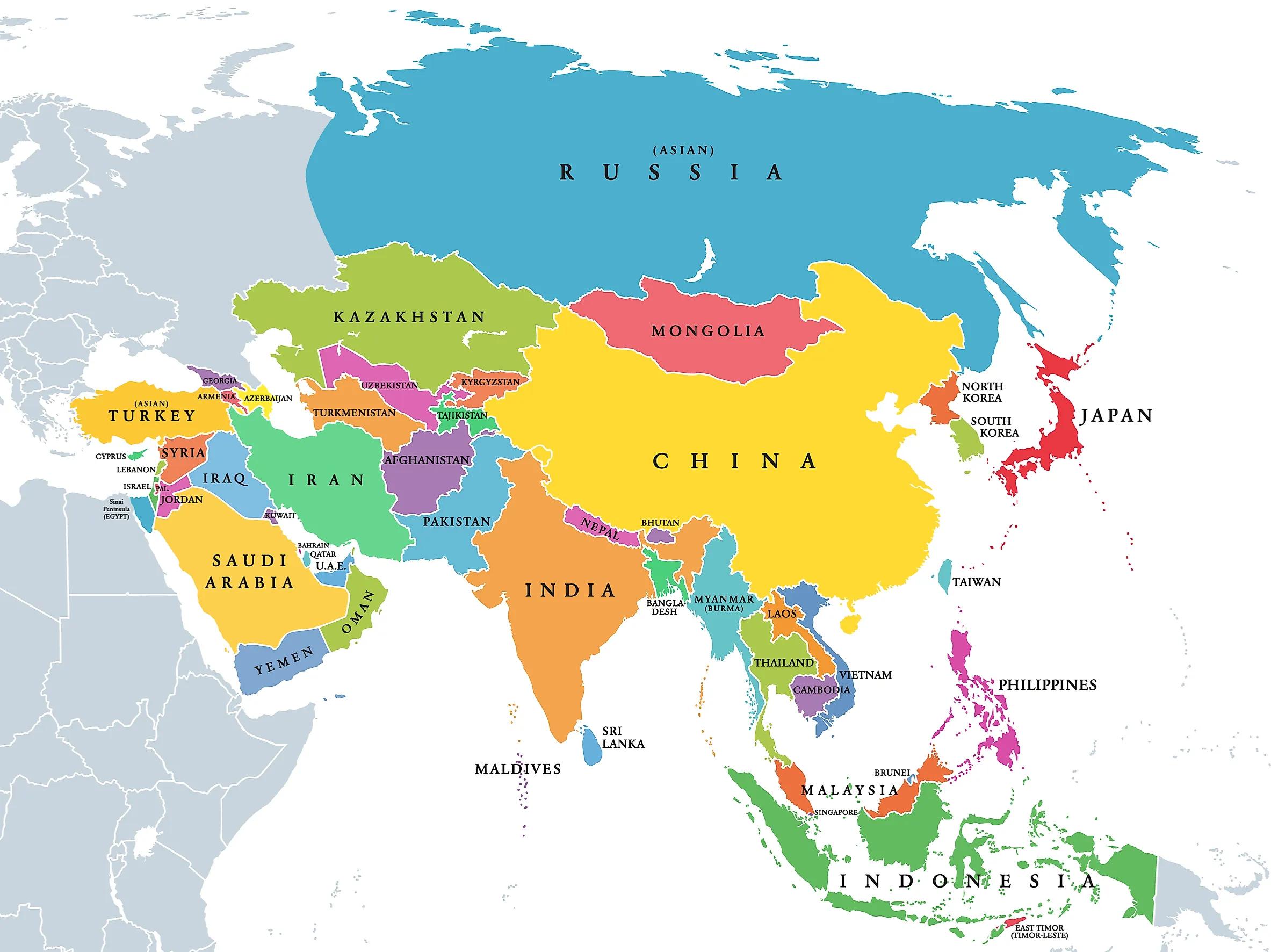
In a region renowned for its rapid economic growth and entrepreneurial dynamism, Asia’s most generous philanthropists are setting new standards for giving back. As business leaders who have amassed significant wealth, these three entrepreneurs are channeling their resources into transformative initiatives that address pressing social challenges across the continent. This article profiles Asia’s top philanthropists whose impactful contributions are reshaping communities and inspiring a new wave of socially responsible entrepreneurship.
Profiles of Asia’s Leading Philanthropists Transforming Communities
Ratan Tata, the iconic Indian industrialist, has consistently leveraged his wealth to foster education, healthcare, and rural development across the subcontinent. Through his philanthropic trusts, he has championed projects that empower marginalized communities, improve access to quality education, and support innovation-driven startups that tackle social challenges. His discreet yet impactful giving has set a benchmark in responsible entrepreneurship, proving that business success can go hand in hand with social commitment.
Li Ka-Shing, one of Asia’s wealthiest figures, has diverted billions toward improving public health and education infrastructure in Hong Kong and beyond. His foundation prioritizes sustainable development and has launched numerous initiatives supporting medical research and disaster relief. Meanwhile, Tan Kah Kee’s
| Name | Primary Focus | Notable Initiative |
|---|---|---|
| Ratan Tata | Education & Rural Development | Innovation in Social Enterprises |
| Li Ka-Shing | Healthcare & Disaster Relief | Global Medical Research Funding |
| Tan Kah Kee | Talent Development & Poverty Alleviation | Founding Educational Institutions |
How Their Strategic Giving is Shaping Social and Economic Development
Through targeted investments in education, healthcare, and sustainable infrastructure, these philanthropists are not just donating funds-they are catalyzing long-term transformation across Asia’s most underserved communities. Their strategic giving emphasizes capacity building, enabling local populations to become active contributors to their own social and economic progress. By partnering with governments and NGOs, they ensure that projects maintain momentum and produce measurable outcomes, such as increased literacy rates and improved public health standards.
Crucially, their approach goes beyond immediate aid, focusing on systemic change that fosters innovation and entrepreneurship. Below is a snapshot of key initiatives and their impacts:
| Philanthropist | Primary Focus Area | Impact Metrics |
|---|---|---|
| Rina Matsuda | Vocational Education | 20,000 graduates employed yearly |
| Arjun Singh | Renewable Energy Projects | 10,000+ homes powered sustainably |
| Lihua Chen | Healthcare Accessibility | Reduced infant mortality by 15% |
- Leveraging technology to bridge rural-urban divides;
- Creating scalable models that inspire similar efforts regionally;
- Promoting inclusive growth by targeting marginalized groups.
Lessons for Entrepreneurs Looking to Make a Lasting Impact Through Philanthropy
Authenticity and alignment with personal values stand out as the cornerstone in the philanthropic journeys of Asia’s prolific donors. Successful entrepreneurs have demonstrated that impact is maximized when their giving reflects not just financial power but also deeply held beliefs and aspirations. Instead of spreading resources thinly across numerous causes, focusing efforts on specific sectors-whether education, healthcare, or environmental sustainability-amplifies the potential for transformative change. This focused commitment also fosters stronger relationships with beneficiary communities and partner organizations, enabling a more nuanced understanding of challenges and devising innovative, culturally relevant solutions.
Moreover, these philanthropists emphasize the importance of leveraging entrepreneurial skills within their charitable initiatives. They harness data-driven decision-making, scalability models, and efficient management practices to ensure that donations catalyze sustainable development. For entrepreneurs eager to leave a lasting legacy, collaboration with government bodies, NGOs, and local leaders is key-creating synergy between sectors that drives systemic change. Below is a snapshot of essential approaches gleaned from their strategies:
- Long-term engagement: Commit resources and time beyond one-off donations to nurture enduring outcomes.
- Transparency and accountability: Maintain clear communication about goals, impact metrics, and fund utilization.
- Innovation-driven giving: Incorporate technology and novel ideas to solve entrenched social issues.
- Community empowerment: Involve local voices in planning and execution to ensure relevance and acceptance.
| Philanthropic Strategy | Entrepreneurial Application |
|---|---|
| Focused Impact | Identify niche sectors for targeted investment |
| Scalability | Adapt programs that can expand regionally or nationally |
| Data Utilization | Use analytics to measure and improve outcomes |
| Collaborative Networks | Build partnerships across private and public sectors |
In Summary
In spotlighting Asia’s three most generous philanthropists, it becomes clear that their impact extends far beyond business success. Through substantial contributions and strategic initiatives, these entrepreneurs are actively shaping the region’s social and economic landscape. Their commitment to philanthropy not only addresses pressing challenges but also sets a powerful example for future leaders. As Asia continues to grow as a global economic powerhouse, the philanthropic efforts of its most influential figures will remain a critical force in driving positive change across communities.