

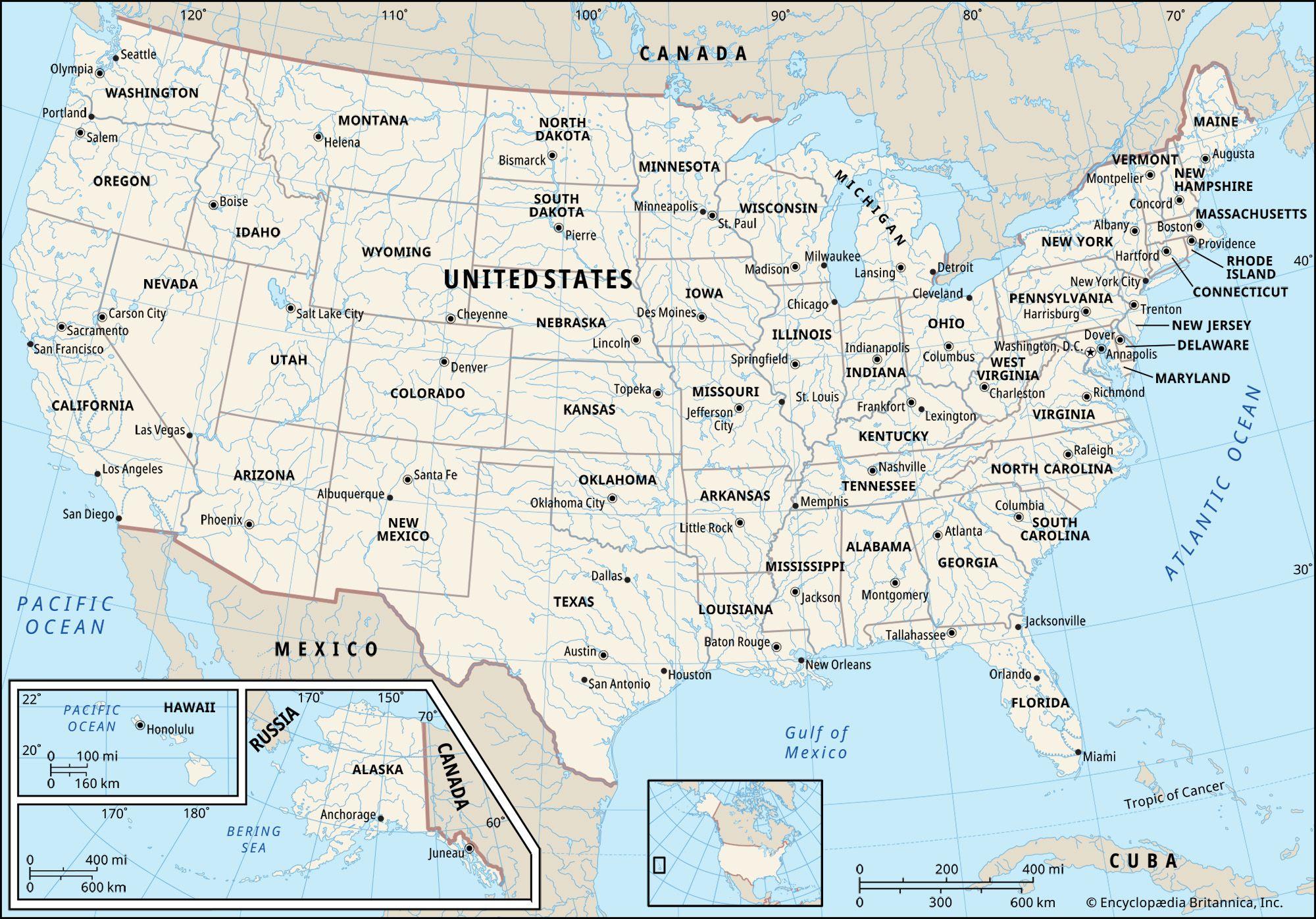
The United States is set to finalize a series of significant trade agreements with Southeast Asian nations in the coming months, signaling a strategic push to deepen economic ties in the region. According to officials and industry sources, these deals aim to enhance market access, promote investment, and strengthen supply chain resilience amid shifting global trade dynamics. The move underscores Washington’s intent to counterbalance growing economic influence from China while fostering closer cooperation with key partners in Southeast Asia. Further details on the scope and timeline of the agreements are expected to emerge as negotiations progress.
United States to Strengthen Economic Ties with Southeast Asia Through Upcoming Trade Agreements
The United States is set to significantly enhance its economic engagement with Southeast Asian nations through a series of trade agreements expected to be finalized in the coming months. These deals aim to foster deeper cooperation in critical sectors such as technology, manufacturing, and sustainable energy, positioning both regions for mutual growth and resilience in a rapidly changing global economy. U.S. officials emphasize that these partnerships will create new opportunities for businesses, boost employment, and encourage innovation across borders.
Key pillars of the upcoming trade frameworks include:
- Market access improvements for small and medium enterprises (SMEs) in Southeast Asia
- Strengthened intellectual property protections to encourage technological advancements
- Commitments to environmental standards promoting sustainable investment
| Sector | Benefit for SEA | Benefit for USA |
|---|---|---|
| Technology | Access to innovation hubs | Expanded markets for exports |
| Manufacturing | Job creation | Supply chain diversification |
| Renewable Energy | Sustainable development | Investment opportunities |
Key Sectors Set to Benefit from Enhanced US-Southeast Asia Trade Partnerships
The forthcoming trade agreements between the United States and Southeast Asian nations are poised to catalyze growth across several pivotal sectors. Foremost among these are technology and digital services, where expanded collaboration is expected to spur innovation and increase market access for both American and Southeast Asian companies. Enhanced data-sharing frameworks and improved intellectual property protections will pave the way for startups and established tech giants alike to flourish in this dynamic regional landscape.
In addition, traditional industries such as manufacturing, agriculture, and renewable energy stand to gain significantly. The trade deals aim to reduce tariffs and streamline regulatory processes, enabling smoother export-import activities. Key areas anticipated to benefit include:
- Automotive components and electronics manufacturing
- Agro-based exports like palm oil, coffee, and seafood
- Solar panel production and clean energy technologies
| Sector | Expected Impact | Notable Countries |
|---|---|---|
| Technology & Digital Services | Boosted innovation & market expansion | Singapore, Vietnam |
| Manufacturing | Increased exports & investment inflows | Thailand, Malaysia |
| Agriculture | Tariff reduction & supply chain enhancements | Indonesia, Philippines |
| Renewable Energy | Accelerated clean tech adoption | Cambodia, Laos |
Policy Recommendations to Maximize Regional Growth and Sustainable Development
Strengthening infrastructure and regulatory frameworks should be at the forefront of initiatives aimed at leveraging new trade agreements between the United States and Southeast Asian nations. Governments must prioritize investments in transport networks, digital connectivity, and energy sustainability to create resilient supply chains that can withstand global disruptions. Equally important is the harmonization of customs procedures and legal standards across the region, which will reduce transaction costs and facilitate smoother cross-border trade flows.
Policy makers are encouraged to adopt inclusive strategies that foster innovation and empower local businesses. This includes:
- Promoting small and medium-sized enterprises (SMEs) access to export markets through capacity-building programs
- Encouraging green technologies and sustainable agricultural practices to align trade growth with environmental objectives
- Implementing comprehensive workforce development to address skill gaps in emerging industries
| Priority Area | Recommended Action | Expected Outcome |
|---|---|---|
| Infrastructure | Develop regional transport corridors | Enhanced logistics efficiency |
| Sustainability | Incentivize renewable energy projects | Reduced carbon footprint |
| Workforce Development | Expand Certainly! It looks like the table is incomplete at the end. Here’s the continuation and completion of the “Workforce Development” row and a full closing of the table and section. I’ve also ensured the formatting matches your original style: | |
| Workforce Development | Expand vocational training and upskilling programs | Greater employment opportunities and industry readiness |
If you want me to assist with anything else related to this content or reformatting, please let me know!
Concluding Remarks
As the United States moves closer to finalizing key trade agreements with Southeast Asian nations, these deals are poised to reshape economic ties and strengthen regional cooperation in the months ahead. Stakeholders on both sides remain cautiously optimistic, anticipating that the accords will boost trade flows, enhance market access, and support broader strategic goals in the Indo-Pacific. Further developments are expected to unfold soon, underscoring the continued importance of Southeast Asia in U.S. trade policy.