

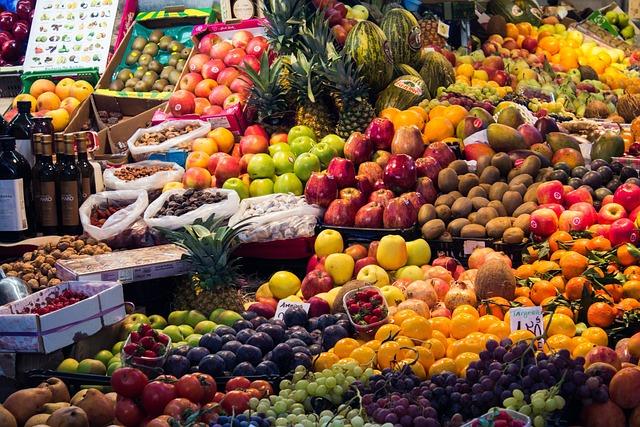
As Southeast Asia’s food and beverage industry races to meet rising consumer demand for healthier options, a new culinary conversation is emerging: how to adapt the celebrated Mediterranean diet to ASEAN palates, cooking traditions and product lines. Long regarded by nutritionists as a gold standard for heart health and longevity, the Mediterranean pattern-rich in vegetables, fruits, whole grains, legumes, nuts, olive oil and seafood-is gaining traction among Asian manufacturers, restaurant operators and policymakers seeking evidence-based ways to curb non-communicable diseases without sacrificing flavor or cultural identity.
From Jakarta to Manila, brands are experimenting with olive oil in familiar stir-fries, fortifying noodle and rice products with whole grains and pulses, and reformulating ready-to-eat meals with fewer processed meats and more plant-based proteins. At the same time, chefs across the region are exploring how staples like tempeh, tofu, leafy greens, herbs and tropical fruits can be repositioned within a Mediterranean-style framework. This convergence of culinary innovation and public health priorities is reshaping product development, menu design and marketing strategies in ASEAN’s dynamic F&B sector-raising both opportunities and questions about cost, supply chains and consumer acceptance.
This article examines how the core principles of the Mediterranean diet are being localized in Southeast Asia, the science driving this shift, and what it means for food manufacturers, foodservice operators and regulators across the region.
Mediterranean staples meet Southeast Asian flavors how chefs are reimagining traditional dishes for better health
Across ASEAN capitals, chefs are quietly rewriting menus by pairing olive oil, chickpeas and whole grains with regional herbs, spices and cooking techniques. In Singapore, Manila and Bangkok, restaurant kitchens are swapping heavy cream sauces for extra-virgin olive oil dressings, replacing deep-frying with chargrilling and steaming, and integrating fresh herbs like basil, mint and coriander to amplify flavor without adding sodium. At the same time, staples such as tempeh, tofu and fresh river fish are being recast in Mediterranean-style preparations, allowing F&B operators to retain local identity while delivering evidence-based health benefits linked to improved heart health, weight management and better glycemic control.
- Olive oil replacing animal fats in stir-fries and dipping sauces
- Whole grains such as brown rice and barley mixed with jasmine rice
- Legumes like chickpeas and lentils integrated into local curries and soups
- Fresh vegetables added at the end of cooking to preserve nutrients
- Herb-forward seasoning reducing reliance on salt and sugar
| Local Dish | Health-Focused Remix | Key Mediterranean Twist |
|---|---|---|
| Nasi goreng | Brown rice pilaf with mixed vegetables | Olive oil sauté, reduced salt, added legumes |
| Thai grilled fish | Herb-crusted seabass with lemon | Olive oil, oregano, parsley and citrus marinade |
| Philippine adobo | Lean chicken adobo with chickpeas | Less soy, more garlic, bay leaf and fiber-rich pulses |
| Vietnamese rice paper rolls | Wholegrain wraps with hummus | Chickpea spread replacing mayonnaise-based sauces |
From hawker stalls to supermarket shelves practical strategies for integrating olive oil whole grains and legumes in ASEAN F and B
Across ASEAN, street vendors and food manufacturers are quietly redesigning recipes to accommodate Mediterranean staples without diluting local identity. Hawker stall operators in cities such as Bangkok, Kuala Lumpur and Jakarta are swapping a portion of palm or peanut oil with extra virgin olive oil during low-heat cooking, then finishing dishes with a light drizzle to preserve aroma and antioxidants. Noodle carts are experimenting with whole grain noodles and brown rice blends, often offering dual options on the same menu board to test demand. Meanwhile, soy-based dishes, satays and rice bowls are being reformulated with additional legumes-such as chickpeas, lentils and cannellini beans-mixed into familiar ingredients to maintain texture and affordability. Simple front-of-house strategies are emerging as well, including small table-top tags that highlight “olive oil stir-fry” or “whole grain upgrade” to signal healthier choices without alienating regular customers.
On supermarket shelves, F&B brands are leveraging R&D kitchens to embed Mediterranean components into high-volume products while staying within local price expectations and taste profiles. Product developers report success using:
- Olive oil blends (olive + canola or rice bran) to manage cost in mayonnaise, dressings and instant noodle seasoning packs.
- Whole grain formats in ready-to-eat rice pouches, multigrain congee cups and snack crackers with higher fiber claims.
- Legume enrichment in instant soups, plant-based satay skewers and fortified beverages using chickpea or lentil protein.
| Category | Practical Shift | Consumer Cue |
|---|---|---|
| Hawker Meals | Olive oil finishing for stir-fries | “Cooked with olive oil” stickers |
| Instant Noodles | Whole grain noodles + olive oil sachet | “High fiber” icon on pack front |
| Snacks | Legume-based crackers and puffs | “Source of plant protein” claim |
Balancing taste cost and culture policy and product innovation paths to scale Mediterranean style eating across ASEAN markets
Industry analysts observe that replication of Mediterranean-style benefits in ASEAN hinges on simultaneous advances in flavour engineering, price strategy, and regulatory alignment. Food technologists are working with chefs to localisation-test herbs, oils and grain blends so that reformulated dishes remain familiar while gradually reducing sodium and saturated fat. At the same time, manufacturers are quietly rebalancing cost structures by substituting part of imported olive oil with regionally available monounsaturated-rich oils, and by leveraging contract farming for chickpeas, lentils and high-fibre grains. Policy signals are beginning to support this shift: some governments are considering front-of-pack labelling, fiscal incentives for healthier oils, and school canteen guidelines that privilege plant-forward menus. These moves are catalysing a new generation of ready-to-eat and foodservice offerings that can scale across borders while respecting local taste codes.
Product developers across ASEAN report that consumer acceptance rises sharply when reformulation is framed as culinary innovation rather than restriction. Leading brands are piloting:
- Street-food inspired SKUs that integrate grilled fish, legumes, and spice-forward vegetable sides.
- Private-label sauces and dressings with higher extra-virgin and cold-pressed oils but unchanged flavour notes.
- Quick-service menus pairing wholegrain bases with familiar proteins, supported by in-store nutrition nudges.
| Pathway | Key Lever | ASEAN Example |
|---|---|---|
| Product Innovation | Reformulated oils & grains | Olive-rice bran oil blends |
| Pricing & Access | Value meal sets | Plant-forward lunch combos |
| Cultural Fit | Local chef collaborations | Mediterranean-style laksa broth |
| Policy Support | Healthier-choice logos | Retail shelf tagging |
Collectively, these strategies are pushing the region’s F&B sector toward a model where taste integrity, affordability and cultural identity are preserved, even as nutritional profiles
…even as nutritional profiles shift closer to Mediterranean-style benchmarks for healthy fats, fibre, and plant diversity.
In practice, this means ASEAN consumers can encounter “Mediterranean-equivalent” benefits without feeling they are eating foreign or restrictive food. Instead, the experience is framed as:
- Familiar formats (street food, canteen sets, quick-service meals)
- Recognisable flavours (local spices, cooking methods, comfort dishes)
- Gradual, invisible changes (oil swaps, wholegrain blends, more legumes and vegetables)
As these ready-to-eat and foodservice offerings scale, three outcomes become more likely:
- Normalisation of healthier defaults
Wholegrains, legumes, and monounsaturated-rich oils become standard in everyday meals, rather than niche “health foods.”
- Cross-border, locally rooted menus
Chains can roll out similar nutritional architectures (e.g., wholegrain + legume + vegetables + moderate animal protein) but express them through Thai, Indonesian, Filipino, Vietnamese or Malay flavour codes.
- Reinforcement by policy and retail ecosystems
Front-of-pack labels, healthier-choice logos, and shelf tags help steer both procurement (canteens, QSRs, retailers) and individual choices toward these reformulated options, without requiring high nutrition literacy.
If you tell me the target audience (e.g., policy brief, investor deck, internal R&D report, or trade press article), I can turn this into a polished section with a strong concluding paragraph and heading options.
Concluding Remarks
As consumer priorities continue to shift toward health, sustainability, and cultural authenticity, the convergence of Mediterranean principles with ASEAN culinary traditions and F&B innovation is set to accelerate. From reformulated packaged foods to restaurant menus and home kitchens, the region’s producers and policymakers are already testing how olive oil, whole grains, legumes, nuts, seafood and plant-forward recipes can be integrated without compromising local taste expectations or price sensitivity.
The coming years will likely determine whether these early efforts remain niche or move into the mainstream. Success will depend not only on R&D and supply chain adaptation, but also on clear communication, nutrition education and regulatory support that encourage incremental, realistic changes rather than radical dietary overhauls.
For ASEAN’s food and beverage industry, the Mediterranean model offers less a strict template than a flexible framework – one that can be translated into sambals, stir-fries, snacks, sauces and street foods as readily as into premium health products. If stakeholders can balance familiarity with innovation, the region may be able to deliver on a powerful proposition: foods that are recognisably local, commercially viable, and measurably better for long-term health.