

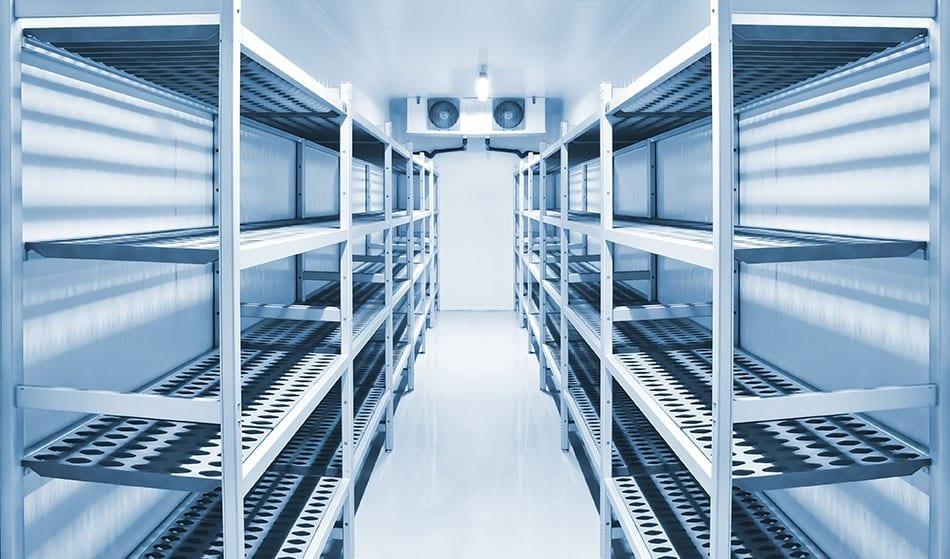
The global cold storage market is poised for significant growth, with projections indicating a potential rise of 25% by 2030, according to recent insights reported by Asia Food Journal. This surge is driven by increasing demand for perishable goods, expansion in the food and pharmaceutical sectors, and advancements in refrigeration technology across Asia. As consumers increasingly prioritize food safety and freshness, the cold storage industry is emerging as a critical component in supply chain management, promising substantial opportunities and challenges for stakeholders in the coming decade.
Cold Storage Demand Driven by Rapid Growth in Asia Pacific Food Sector
Asia Pacific’s booming food industry is fueling unprecedented demand for cold storage facilities. As per recent market reports, the rapid urbanization and increasing consumer preference for fresh and frozen food products have compelled distributors and retailers to enhance their cold chain infrastructure. Countries such as China, India, and Southeast Asian nations are investing heavily in technologically advanced storage solutions to accommodate the surge in perishable goods requiring temperature-controlled environments.
Key factors driving this growth include:
- Expansion of e-commerce platforms specializing in food delivery
- Rising middle-class population with higher disposable incomes
- Government initiatives promoting food safety and export enhancement
- Integration of IoT and automation for efficient inventory management
| Country | Projected Cold Storage Growth (%) | Main Driving Sector |
|---|---|---|
| China | 28% | Frozen seafood & meat |
| India | 24% | Dairy & fresh produce |
| Indonesia | 22% | Fruits & vegetables |
Technological Innovations Shaping the Future of Cold Storage Facilities
Advancements in automation and IoT are significantly transforming cold storage operations, enhancing efficiency and reducing operational costs. Intelligent sensors now monitor temperature and humidity in real-time, ensuring optimal conditions for perishable goods while minimizing energy consumption. Robotics integration is accelerating loading and unloading processes, reducing human error and labor dependency. Additionally, AI-powered predictive analytics are enabling facility managers to forecast demand fluctuations and maintenance needs, facilitating proactive resource management and reducing downtime.
- Smart HVAC systems for energy-efficient cooling
- Automated guided vehicles (AGVs) for streamlined logistics
- Blockchain technology improving traceability and compliance
- Renewable energy solutions driving sustainability goals
| Technology | Impact | Benefit |
|---|---|---|
| IoT Sensors | Continuous Monitoring | Reduced Spoilage |
| AI Analytics | Demand Prediction | Optimized Storage |
| Robotics | Automated Handling | Labor Efficiency |
| Blockchain | Supply Chain Transparency | Improved Trust |
Strategic Investments Key to Capitalizing on Market Expansion Opportunities
With the cold storage market expected to soar by 25% by 2030, companies are increasingly channeling resources into technology-driven infrastructure and scalable facilities to gain a foothold in emerging markets. Investing in state-of-the-art refrigeration systems and IoT-enabled monitoring not only enhances operational efficiency but also mitigates risks related to product spoilage and energy consumption. Furthermore, targeting regions with growing food production and export potential allows stakeholders to capitalize on favorable regulatory environments and increasing consumer demand for fresh and frozen products.
Successful market expansion relies heavily on a multifaceted investment approach, including:
- Development of strategically located distribution hubs
- Partnerships with logistics providers for streamlined supply chain management
- Adoption of renewable energy solutions to reduce carbon footprint
- Training programs for workforce upskilling in cold chain management
| Investment Area | Projected ROI | Impact on Market Expansion |
|---|---|---|
| Technology Upgrade | 15-20% | Improved product integrity and efficiency |
| New Facility Development | 18-25% | Access to untapped regional markets |
| Workforce Training | 10-12% | Enhanced operational reliability |
Future Outlook
As the demand for fresh and frozen food products continues to surge across Asia, the cold storage market is poised for significant growth, projected to expand by 25% by 2030. This upward trend underscores the critical role of cold chain infrastructure in supporting food security and reducing waste across the region. Industry stakeholders and investors will be closely watching market developments as technological advancements and strategic expansions drive this evolving sector forward.