

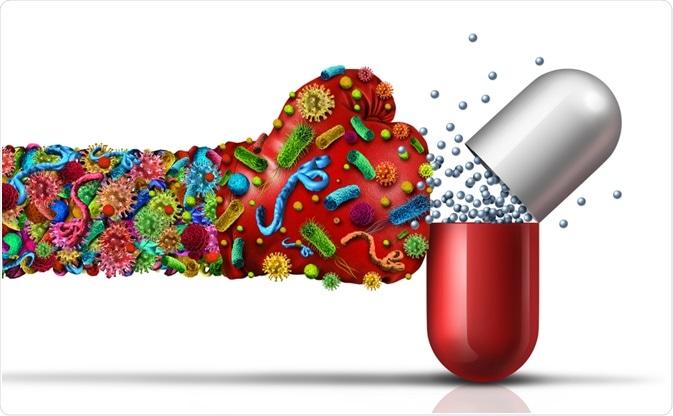
A recent report by the BBC has revealed a stark and alarming reality: drug-resistant infections are now linked to the deaths of three million children worldwide. This growing public health crisis highlights the urgent need for global action as antibiotic resistance threatens to undermine decades of progress in treating common childhood illnesses. Experts warn that without immediate intervention, drug resistance could push mortality rates even higher, particularly in low-income countries where access to effective treatments is already limited.
Child Mortality Crisis Exacerbated by Rising Drug Resistance
The global health landscape faces a daunting challenge as drug resistance intensifies, contributing significantly to childhood mortality. Recent analyses reveal that over three million children have succumbed to infections where conventional treatments failed due to resistant pathogens. This alarming trend is particularly acute in low-income regions where access to advanced medical interventions is limited, further complicating efforts to treat common bacterial and parasitic diseases effectively. The rise in antimicrobial resistance undermines decades of progress in pediatric healthcare, jeopardizing survival rates for vulnerable children under five.
Efforts to combat this crisis emphasize the urgent need for:
- Enhanced surveillance of drug-resistant infections within pediatric populations.
- Investment in novel antibiotics and treatments tailored for children.
- Improved sanitation and vaccination coverage to reduce infection rates.
- Global collaboration for responsible antibiotic use and awareness campaigns.
Without rapid intervention, the burden on health systems will escalate, leading to potentially irreversible setbacks in child survival worldwide.