

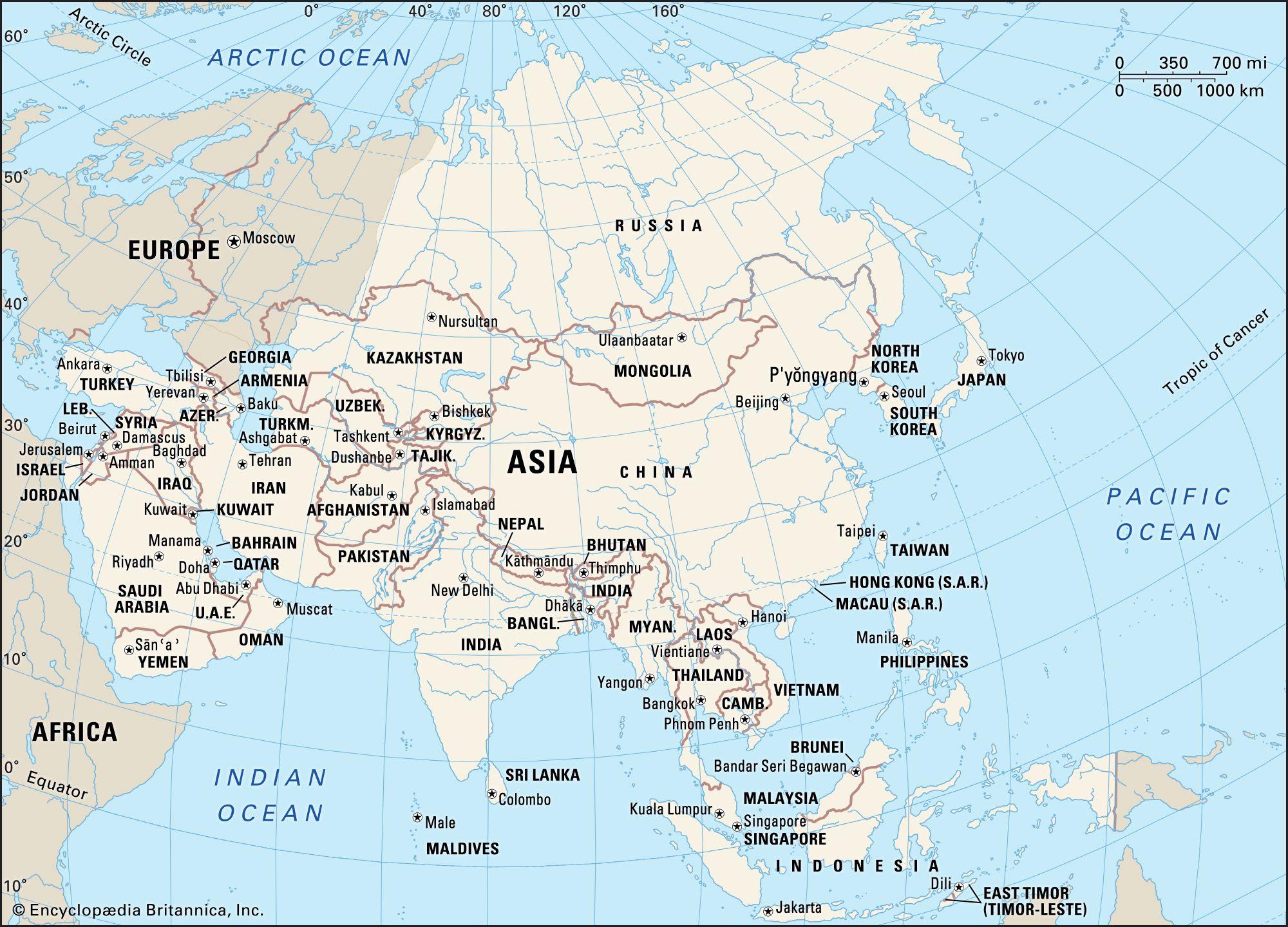
As global healthcare systems grapple with unprecedented challenges, Asia stands at a pivotal crossroads in the race for talent. “Seizing the Opportunity: Asia’s Moment to Reclaim Global Healthcare Talent,” a new report from Access Partnership, highlights the region’s emerging potential to attract and nurture skilled healthcare professionals amid shifting international dynamics. With countries worldwide facing workforce shortages, policy reforms, and technological advancements, Asia is uniquely positioned to reclaim its role as a global hub for healthcare expertise-offering fresh strategies to address both regional and global demands. This article explores the key findings and implications of the report, shedding light on how Asia can leverage this moment to strengthen its healthcare landscape and influence worldwide talent flows.
Asia’s Growing Appeal as a Hub for Global Healthcare Professionals
In recent years, Asia has emerged as an increasingly attractive destination for healthcare professionals across the globe. Rapid advancements in medical technology, combined with government-led initiatives to upgrade healthcare infrastructure, have created a fertile environment for both clinical innovation and professional growth. Countries such as Singapore, India, and South Korea now offer competitive salaries, extensive training programs, and the unique opportunity to engage with diverse patient populations, making the region a magnet for talent seeking dynamic and rewarding careers.
Several factors contribute to this rise in Asia’s healthcare magnetism:
- Expanding pharmaceutical and biotech sectors providing robust research and development opportunities.
- Improved professional mobility through streamlined visa processes and regional cooperation agreements.
- Growing demand for specialized services fueled by aging populations and rising chronic diseases.
- Investment in cutting-edge medical education attracting top-tier talent and fostering international collaborations.
| Country | Key Advantage | Annual Growth in Healthcare Jobs |
|---|---|---|
| Singapore | Advanced infrastructure & research hubs | 7% |
| India | Massive training & skill development | 9% |
| South Korea | Cutting-edge technology adoption | 6.5% |
| Thailand | Medical tourism & specialized care | 5.8% |
Innovative Policies Driving Talent Retention and Upskilling Across the Region
Across Asia, governments and leading healthcare institutions are pioneering policies that prioritize workforce stability and skill enhancement. From targeted incentives that encourage professionals to remain within their home countries, to comprehensive upskilling programs addressing emerging medical technologies, these strategies are reshaping the talent landscape. Countries like Singapore and South Korea have introduced grant schemes that subsidize advanced training, while emerging economies focus on digital health literacy, ensuring their workforce is equipped for a future dominated by telemedicine and AI diagnostics.
The success of these initiatives is evident in recent workforce data, reflecting a marked decrease in talent flight and a surge in continuous professional development enrollment. Below is a snapshot comparing key policy impacts across notable Asian markets:
| Country | Retention Rate Increase (%) | Upskilling Program Enrollment Growth (%) | Key Policy Feature |
|---|---|---|---|
| Singapore | 12 | 25 | Subsidized tech certification courses |
| South Korea | 10 | 30 | Public-private training partnerships |
| Malaysia | 8 | 18 | Career stability grants |
| Vietnam | 6 | 22 | Digital health literacy campaigns |
- Customized financial incentives to retain specialized healthcare workers.
- Collaborative upskilling platforms involving industry leaders and academic institutions.
- Integration of emerging technologies into continuous education curricula.
Strategic Collaborations and Investment Priorities to Sustain Asia’s Healthcare Workforce Expansion
To effectively sustain the rapid expansion of Asia’s healthcare workforce, forging strategic collaborations between governments, educational institutions, and private sector partners is imperative. These alliances not only foster talent retention but also facilitate skill enhancement through cross-border training programs and knowledge exchange initiatives. By pooling resources and expertise, stakeholders can accelerate innovation in healthcare delivery models tailored to the region’s diverse demographic challenges. Key focus areas include:
- Developing standardized competency frameworks to ensure consistent quality of care
- Investing in digital health infrastructure to enable remote training and telemedicine
- Supporting public-private partnerships to expand access to healthcare education
- Encouraging policy reforms that incentivize healthcare professionals to serve in underserved areas
Aligned investment priorities are also vital to maximize returns on workforce expansion efforts. Capital allocation must emphasize sustainable capacity building rather than short-term recruitment drives. Below is a snapshot of priority investment areas driving Asia’s healthcare talent ecosystem:
| Investment Area | Impact | Key Stakeholders |
|---|---|---|
| Healthcare Education & Training | Enhances clinical competencies & scalability | Universities, Certification Bodies |
| Technology & Digital Health | Enables remote care & continuous learning | Tech Firms, Governments |
| Workforce Policy Innovation | Improves retention & distribution equity | Health Ministries, NGOs |
| Infrastructure Development | Supports scalable clinical environments | Private Investors, Public Sector |
Final Thoughts
As Asia stands at a pivotal crossroads in the global healthcare landscape, the opportunity to reclaim and nurture its homegrown talent has never been more critical. By addressing the challenges that have led to talent migration and investing strategically in education, infrastructure, and career development, the region can not only stem the outflow but also position itself as a global leader in healthcare innovation. The coming years will be decisive in determining whether Asia can transform this moment into a lasting advantage-reshaping the future of global healthcare from within.