

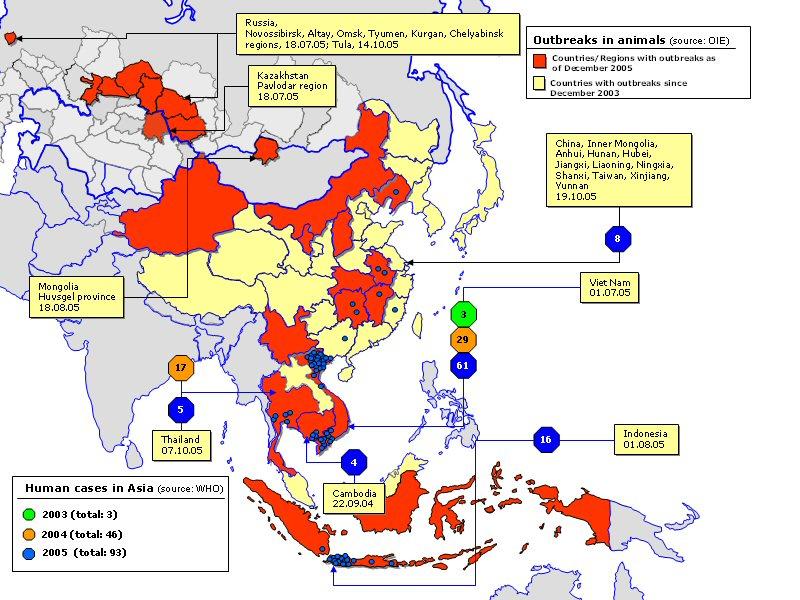
As Asia continues to grapple with a series of health outbreaks, the impact on the region’s travel and tourism industry is becoming increasingly pronounced. From localized epidemics to widespread viral infections, these health crises have prompted governments and health authorities to implement stringent measures aimed at curbing transmission. This article examines the latest developments in Asia’s health outbreaks, their implications for travelers, and the resulting shifts within the tourism sector. Stay informed on how these ongoing challenges are reshaping travel across one of the world’s most dynamic regions.
Recent Health Outbreaks in Asia and Their Impact on Travel Patterns
Recent health outbreaks across various Asian countries have significantly reshaped travel dynamics within the region. From resurgences of viral infections to localized epidemics, these health crises have led to stringent travel advisories and enhanced screening protocols at airports and border checkpoints. Airlines and tour operators have responded by offering flexible booking options and emphasizing health safety measures to regain traveler confidence. Notably, urban centers with high infection rates witnessed steep declines in tourist arrivals, while lesser-affected rural destinations saw a temporary uptick as travelers sought safer alternatives.
Key impacts on travel patterns include:
- Shift in traveler preferences towards domestic and nature-focused destinations.
- Increase in travel insurance uptake accounting for health-related contingencies.
- Acceleration of contactless technology adoption in hotel and transit services.
- Heightened regional collaboration to monitor and respond to outbreaks swiftly.
| Country | Outbreak Type | Travel Impact | Recovery Timeline |
|---|---|---|---|
| Indonesia | Dengue Fever | 25% drop in inbound flights | 6-9 Months |
| India | Chikungunya | Reduced festival tourism by 15% | 3-6 Months |
| Vietnam | H5N1 Bird Flu | Temporary closure of wildlife parks | 4 Months |
| Philippines | Measles Outbreak | Increased vaccination requirements for tourists | Ongoing |
Key Regions Affected and Emerging Disease Trends in Asia
Several key regions in Asia have recently experienced significant health outbreaks, underscoring shifting patterns in disease prevalence. Southeast Asia continues to grapple with dengue fever, particularly in urban centers where dense populations and seasonal rains create ideal breeding grounds for the Aedes aegypti mosquito. Meanwhile, South Asia has seen a resurgence of cholera cases linked to inadequate sanitation and flooding. In East Asia, respiratory infections, including new strains of influenza, have raised alarms, especially in densely populated cities such as Shanghai and Tokyo. Additionally, zoonotic diseases, those transmitted from animals to humans, are gaining traction in rural interfaces where wildlife trade and habitat disruption occur.
Emerging trends across the continent also reveal a disturbing rise in antimicrobial resistance, complicating treatment protocols. Public health officials are observing an increase in co-infections involving viral and bacterial pathogens, which leads to higher morbidity rates. Below is a snapshot of affected regions with the predominant diseases reported:
| Region | Primary Outbreak | Emerging Concern |
|---|---|---|
| Southeast Asia | Dengue Fever | Zoonotic Spillover |
| South Asia | Cholera | Antimicrobial Resistance |
| East Asia | Influenza Strains | Co-infections |
- Urban hotspots remain a critical focus due to population density and mobility.
- Climate change is
climate change is intensifying weather patterns such as heavy rains and flooding, which in turn exacerbate the conditions favorable for outbreaks, particularly waterborne and vector-borne diseases.
- Urban hotspots remain a critical focus due to population density and mobility.
- Climate change is intensifying weather patterns such as heavy rains and flooding, which in turn exacerbate the conditions favorable for outbreaks, particularly waterborne and vector-borne diseases.
- Integrated surveillance systems combining human, animal, and environmental health data are essential for early detection and response, especially given the rise in zoonotic spillovers.
- Addressing antimicrobial resistance requires coordinated policies on antibiotic use across both human and veterinary medicine sectors.
- Public education and infrastructure improvements, like sanitation and vector control, are vital in reducing disease burdens.
Expert Recommendations for Travelers Navigating Health Risks in Asia
As Asia continues to be a dynamic hub for international travel, health experts emphasize the importance of preparation and vigilance for visitors. Understanding regional health risks-ranging from dengue fever outbreaks in tropical zones to respiratory illnesses linked with urban pollution-can dramatically reduce travelers’ chances of illness. Prioritizing vaccinations, carrying essential medications, and frequent hand hygiene are critical measures recommended by medical professionals. Additionally, seeking updated advisories from sources like the World Health Organization and local health departments ensures travelers remain informed amid rapidly changing outbreak scenarios.
Visitors should also take practical steps to safeguard their health while on the move. Key precautions include:
- Consuming only bottled or purified water and avoiding raw street food to prevent waterborne illnesses.
- Wearing insect repellent and long-sleeved clothing during peak mosquito activity times to guard against vector-borne diseases.
- Keeping travel insurance up to date with coverage for medical emergencies and evacuation.
Region Common Health Risk Recommended Precaution South-East Asia Dengue Fever Use insect repellent East Asia Air Pollution Illness Wear masks outdoors South Asia Waterborne Diseases Drink purified water Central Asia Zoonotic Infections Avoid contact with animals In Conclusion
As Asia continues to grapple with recurrent health outbreaks, travelers and local communities alike face ongoing challenges in safeguarding public health. Staying informed through reliable sources and adhering to recommended health guidelines remain crucial for minimizing risks. Authorities across the region are intensifying surveillance and response efforts to contain outbreaks swiftly, underscoring the importance of global cooperation in managing infectious diseases. For those planning trips to Asia, vigilance and preparedness are essential to ensure safety amid evolving health landscapes.