

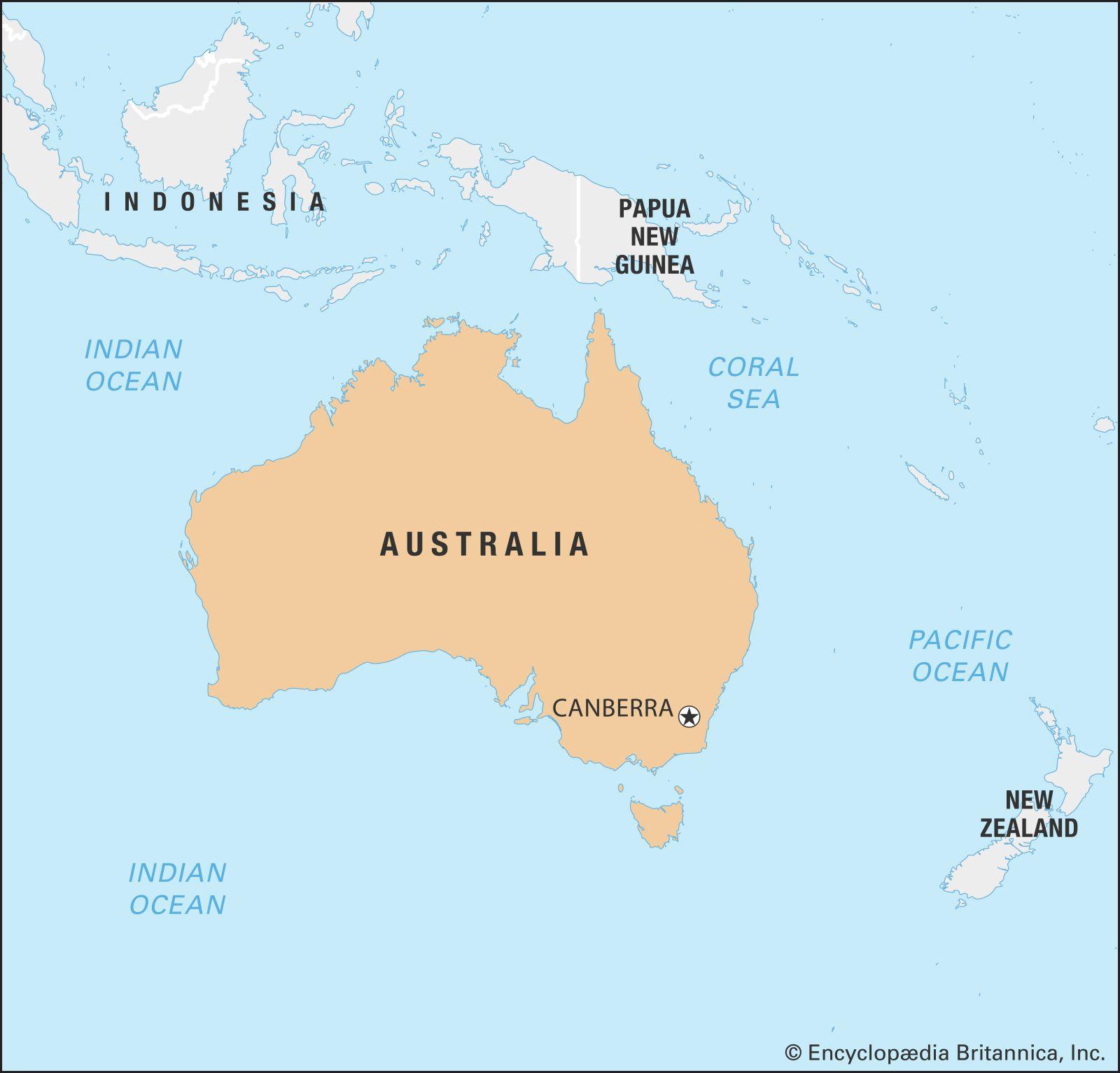
Australia is on the brink of a seismic shift in its approach to social media regulation, a move that is reverberating far beyond its borders and capturing attention across Asia. As Canberra pushes forward with stringent measures aimed at curbing online misinformation and harmful content, the implications of this policy overhaul are prompting widespread debate among regional governments, tech companies, and digital rights advocates. This article explores how Australia’s bold stance on social media governance signals a broader transformation in the Asia-Pacific’s digital landscape, highlighting potential ripple effects for freedom of expression, national security, and cross-border information flows.
Australia’s Social Media Ban Sparks Regional Concerns Over Information Flow
Australia’s unprecedented move to enact a sweeping social media ban has sent ripples far beyond its borders, igniting debate on the future of digital communication across the Asia-Pacific region. Governments and policy makers in neighboring countries are now scrutinizing the implications for cross-border information exchange, with concerns mounting over potential disruptions to the free flow of data vital for commerce, journalism, and social connectivity. Analysts warn that if other nations follow Australia’s lead, the regional digital ecosystem could fragment, restricting access to key platforms and challenging the principles of open internet governance.
Regional stakeholders are particularly wary about the broad ramifications, including:
- Economic Impact: Restrictions may hinder e-commerce and digital startups reliant on social platforms for marketing and consumer engagement.
- Information Access: Journalistic practices and citizen reporting could face significant hurdles, curbing diverse perspectives.
- Diplomatic Strain: Differing national policies on digital expression risk complicating international relations.
A comparative glance at regulatory approaches highlights the emerging divide: