

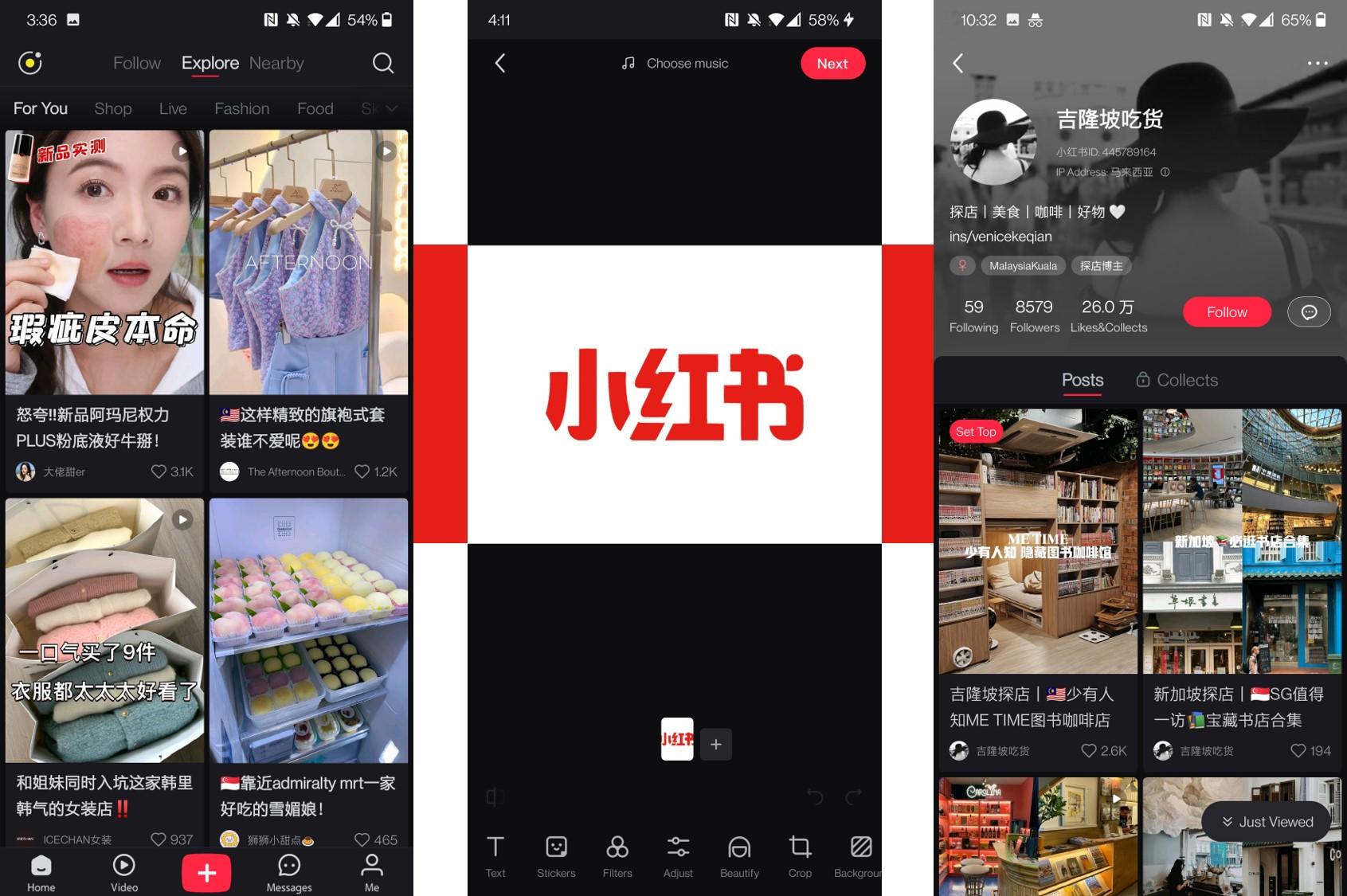
In recent years, Xiaohongshu, also known as Little Red Book, has surged in popularity as a lifestyle and social commerce app, attracting millions of users eager to share and discover trends in fashion, beauty, and travel. However, beneath its image as an innocent platform for millennials and Gen Z lies growing scrutiny over potential security vulnerabilities and data privacy concerns. As governments and cybersecurity experts raise alarms, Radio Free Asia investigates whether Xiaohongshu is truly the harmless lifestyle app it claims to be or if it poses significant risks to user privacy and national security.
Xiaohongshu User Data Under Scrutiny Amid Privacy Concerns
Recent investigations into Xiaohongshu, the popular Chinese lifestyle sharing platform, have raised serious questions over how user data is managed and protected. Privacy experts warn that the app’s data collection practices may extend beyond industry norms, potentially exposing millions of users to unauthorized data sharing and breaches. Concerns surged after cybersecurity analysts revealed that Xiaohongshu’s app requests intrusive permissions that allow access to sensitive device information, including location, contacts, and storage. These revelations have fueled growing apprehension – especially among international users – about the true extent of the data harvesting occurring behind the seemingly innocent façade of lifestyle blogging and product reviews.
A closer examination highlights several troubling aspects:
- Opaque data policies: The platform’s privacy agreements are criticized for vague language that leaves users unclear about what personal information is collected and how it is used.
- Cross-border data flow: Evidence suggests that some user data may be transmitted to servers located in regions with limited data protection laws.
- Third-party access: Xiaohongshu reportedly shares or sells data to undisclosed partners, increasing the risks of misuse or commercial exploitation without explicit consent.
These points contribute to an escalating debate about whether Xiaohongshu should be trusted as a social media tool or regarded as a potential security risk, particularly in a digital landscape marred by increasing data surveillance and cyber threats.
| Data Concern | Implications |
|---|---|
| Excessive Permissions | Potential for unauthorized access to private information |
| Unclear Consent | Users unaware of scope of data usage |
| International Data Transfers | Possible exposure to weak data security environments |
| Third-Party Sharing | Risk of commercialization or abuse of user data |
Potential Security Vulnerabilities in Xiaohongshu’s Platform Architecture
Security analysts have raised alarms about several critical flaws embedded deep within Xiaohongshu’s backend infrastructure that could expose sensitive user data to malicious actors. Notably, the platform’s microservices architecture, while promoting scalability and rapid development, has been criticized for insufficiently segmented service boundaries, increasing the risk of lateral movement in case of a breach. Compounding this vulnerability are outdated third-party libraries and a lack of rigorous input validation across key APIs, creating multiple attack vectors for injection and cross-site scripting (XSS) exploits.
Further concerns center on the storage and transmission of user data, which appears to be protected by encryption algorithms that experts consider below international security standards. A review of Xiaohongshu’s data handling practices revealed irregularities such as unencrypted data caches and insufficient access controls at the database level. The table below encapsulates some of the principal weaknesses identified:
| Component | Vulnerability | Potential Impact |
|---|---|---|
| API Gateways | Weak Authentication | Unauthorized Data Access |
| Data Storage | Unencrypted Cache | Exposure of Personal Information |
| Microservice Communication | Lack of Isolation | Propagation of Breach |
| Third-Party Libraries | Outdated Versions | Remote Code Execution |
Experts Advise Enhanced User Vigilance and Regulatory Oversight
In light of growing concerns over data privacy and platform security, cybersecurity experts emphasize the necessity for heightened vigilance among Xiaohongshu users. They caution that while the app markets itself as a lifestyle and social sharing platform, the potential for unauthorized data harvesting cannot be ignored. Users are advised to regularly review app permissions, be wary of sharing sensitive personal information, and update their devices to the latest software versions to mitigate vulnerabilities.
Regulatory bodies, both domestic and international, are urged to impose stricter oversight on the app’s data management practices to ensure compliance with privacy laws. Transparency in data collection and user consent protocols remains a critical demand. The table below outlines key areas experts believe require immediate attention:
| Focus Area | Recommended Action | Potential Impact |
|---|---|---|
| Data Transparency | Mandatory disclosure of data use policies | Increased user trust |
| Security Audits | Regular third-party assessments | Early detection of breaches |
| User Education | Awareness campaigns on privacy | Improved user behavior |
| Regulatory Compliance | Enforcement of international standards | Enhanced data protection |
Final Thoughts
As Xiaohongshu continues to expand its user base beyond China, questions about data privacy and security remain at the forefront. While the app promotes itself as a curated lifestyle platform, concerns raised by cybersecurity experts and regulators signal a need for greater transparency and oversight. Whether Xiaohongshu can shed its image as a potential security threat or if it will face increased scrutiny in international markets remains to be seen. For now, users and authorities alike are watching closely, weighing the benefits of its community-driven content against the risks lurking behind the app’s seemingly innocent facade.