

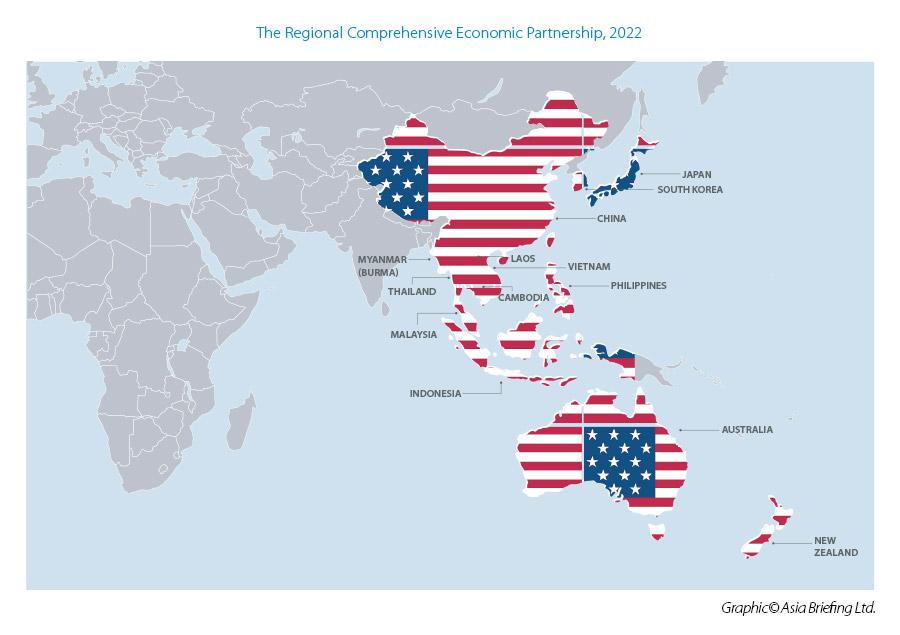
As a critical deadline for tariff increases approaches, trade negotiations between Asia and the United States are accelerating in a bid to avert further economic disruptions. Key stakeholders from both sides are intensifying talks to finalize agreements aimed at easing tensions and fostering smoother commercial exchanges. This surge in diplomatic activity underscores the urgency to resolve outstanding trade issues before new tariffs come into effect, signaling a pivotal moment in the evolving economic relationship between the world’s largest economies.
Asia and United States Accelerate Trade Negotiations Ahead of Tariff Deadlines
Diplomatic channels between Asia and the United States have intensified as both sides push to finalize trade agreements before looming tariff deadlines. Key negotiations are centered around reducing tariffs on crucial goods such as electronics, agricultural products, and automotive parts. Industry insiders report that meetings held this week show promising progress, with negotiators focusing on resolving intellectual property rights issues and market access concerns, which have been longstanding barriers.
Economic analysts emphasize that the timely conclusion of the deals could lead to significant benefits, including:
- Lower consumer prices due to reduced import costs
- Increased export opportunities for manufacturers on both sides
- Strengthened supply chains that have been disrupted in recent years
The stakes remain high as the countdown to tariffs escalates, with the following timeline outlined by trade officials:
| Deadline | Negotiation Focus | Potential Impact |
|---|---|---|
| August 15 | Tariff reductions on semiconductor components | Boost in tech sector exports |
| September 1 | Agricultural tariff adjustments | Improved market access for farmers |
| September 20 | Automotive trade terms | Revival of cross-border auto manufacturing |
Impact of Pending Tariffs on Key Industries and Supply Chains
As the tariff deadline looms, critical sectors across both Asia and the U.S. are bracing for significant disruptions. Manufacturing hubs that rely heavily on imported components face rising costs, forcing companies to reconsider sourcing strategies and production timelines. Particularly affected are electronics, automotive, and consumer goods industries, where intricate supply chains mean tariffs can ripple through multiple tiers of production. Businesses are accelerating negotiations and seeking alternative markets to mitigate the impact, prioritizing flexibility and cost-containment in uncertain trade conditions.
Key implications include:
- Increased raw material prices driving up product costs
- Delayed shipment schedules causing inventory shortages
- Shifts towards regional supply chain realignment in Asia and North America
- Heightened urgency for trade deals to safeguard market access
| Industry | Projected Tariff Impact | Response Strategy |
|---|---|---|
| Electronics | Up to 25% cost increase | Diversifying suppliers; Expanding domestic assembly |
| Automotive | 15% tariff on key components | Regional production hubs; Strategic stockpiling |
| Consumer Goods | Variable tariffs by origin | Negotiating new bilateral agreements |
Strategies for Businesses to Navigate Upcoming Trade Policy Changes
Businesses must proactively adapt to the shifting landscape as new tariffs and trade regulations are poised to take effect. Establishing diversified supply chains is critical to mitigate risks associated with sudden restrictions or cost increases. Companies should consider fostering relationships in multiple markets across Asia to avoid over-reliance on any single country. Additionally, investing in robust compliance frameworks will ensure smoother navigation through evolving customs requirements and documentation standards.
Remaining agile by closely monitoring policy developments enables timely strategic adjustments. Key actions include:
- Leveraging trade advisory services for real-time insights
- Reassessing pricing strategies to accommodate potential tariff impacts
- Engaging in scenario planning to forecast operational cost changes
- Exploring local production or nearshoring options to reduce exposure