

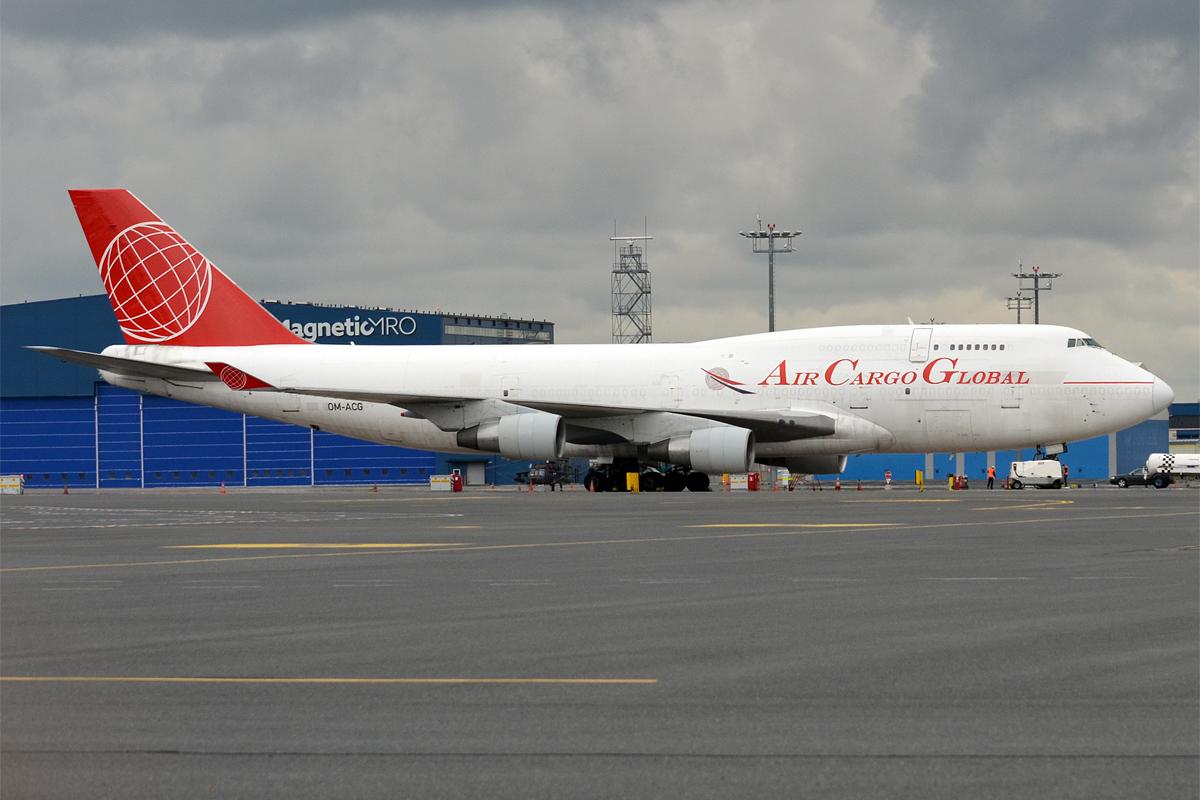
Trade tensions between the United States and Europe have sent ripples through the global air cargo industry, causing notable disruptions and declines in transatlantic freight volumes. Meanwhile, the Asia-Pacific region is experiencing a robust surge, emerging as a vital hub amid shifting trade dynamics. This divergence highlights the evolving landscape of international commerce as businesses adapt to new economic pressures and supply chain realignments.
Trade Disputes Disrupt Air Cargo Flows in US and Europe Impacting Key Industries
Recent trade disputes between the US and Europe have triggered significant upheavals in air cargo operations, causing ripple effects across various key industries. Manufacturers and retailers in sectors such as automotive, pharmaceuticals, and electronics report prolonged delays and soaring logistics costs as air freight volumes decline sharply on transatlantic routes. Supply chain managers are scrambling to find alternatives, with increased reliance on maritime shipping and rerouted cargo flights adding complexity and time to global distribution networks. The disruptions also coincide with surging fuel prices, amplifying the strain on air freight providers struggling to maintain timely deliveries amidst a growing backlog.
In contrast, Asia-Pacific regions are capitalizing on these weaknesses, showing remarkable growth in air cargo capacity and demand. Countries like China, South Korea, and Singapore are reinforcing their status as critical hubs by enhancing cargo handling infrastructure and launching new freight corridors. This shift is attracting businesses eager to sidestep trade barriers and trade wars affecting the West. Below is a snapshot of average monthly cargo volume changes reported in key regions over the last quarter:
| Region | Monthly Volume Change (%) | Key Sectors Impacted |
|---|---|---|
| US-Europe Corridor | -12% | Automotive, Electronics |
| Asia-Pacific | +18% | Pharmaceuticals, Consumer Goods |
| Middle East | +5% | Textiles, Electronics |
| Latin America | -3% | Agriculture, Automotive |
- Critical delays have forced manufacturers to adjust production schedules.
- Alternative routes are being considered to minimize exposure to tariffs and restrictions.
- Investment surge in Asia-Pacific logistics hubs signals a strategic industry pivot.
Asia-Pacific Air Freight Market Experiences Robust Growth Amid Global Uncertainty
Despite mounting trade disputes worldwide, the Asia-Pacific air freight sector has demonstrated remarkable resilience, posting double-digit growth figures over the past year. Fueled by robust manufacturing output and expanding e-commerce activities, key hubs such as Singapore, Hong Kong, and Shanghai have seen a surge in cargo volumes. Industry insiders attribute this momentum to strategic investments in cargo infrastructure and enhanced air connectivity within the region, which have collectively offset the dampening effects seen in Western markets.
Key factors driving growth include:
- Increased intra-Asia trade flows supporting just-in-time inventory models
- Rising demand for high-value electronics and pharmaceutical shipments
- Government incentives aimed at improving cargo handling efficiency
- Adoption of advanced digital tracking and automation technologies
| Region | Year-on-Year Growth (%) | Major Cargo Types |
|---|---|---|
| Asia-Pacific | 12.5 | Electronics, Pharmaceuticals |
| North America | 2.1 | Machinery, Automotive Parts |
| Europe | 1.4 | Luxury Goods, Textiles |
Strategic Recommendations for Businesses Navigating Shifting Air Cargo Landscapes
Businesses are urged to diversify their air cargo routes, leveraging emerging hubs in the Asia-Pacific region where growth is accelerating despite trade tensions affecting traditional US and European corridors. Prioritizing partnerships with carriers that offer flexible capacity arrangements and digital tracking technologies can mitigate risks associated with sudden policy shifts. Additionally, investing in data-driven supply chain analytics enables companies to anticipate disruptions and optimize inventory levels, thereby maintaining resilience amid volatility.
To navigate the evolving air cargo landscape effectively, firms should also focus on sustainable practices that influence regulatory favor and customer preference. Implementing eco-efficient packaging and collaborating with green logistics providers can enhance brand reputation while aligning with global emissions reduction goals. The following table highlights strategic focus areas and corresponding business benefits to consider in this challenging environment:
| Strategic Focus | Key Benefits |
|---|---|
| Route Diversification | Reduced dependency on single markets, enhanced flexibility |
| Technology Integration | Real-time visibility, predictive disruption management |
| Sustainability Initiatives | Regulatory compliance, improved brand image |
| Partnerships & Alliances | Access to new networks, shared risk mitigation |
- Continuously monitor geopolitical developments for timely strategy adjustments.
- Leverage data analytics to forecast demand shifts and capacity constraints.
- Engage in collaborative logistics ecosystems to enhance operational agility.
In Summary
As trade tensions continue to reshape global supply chains, the contrasting trajectories of air cargo markets underscore the evolving economic landscape. While the US and European sectors grapple with headwinds from tariffs and regulatory challenges, the Asia-Pacific region’s robust growth signals shifting dynamics in international trade flows. Industry stakeholders will be closely monitoring these developments as they adapt strategies to navigate an increasingly complex environment.