

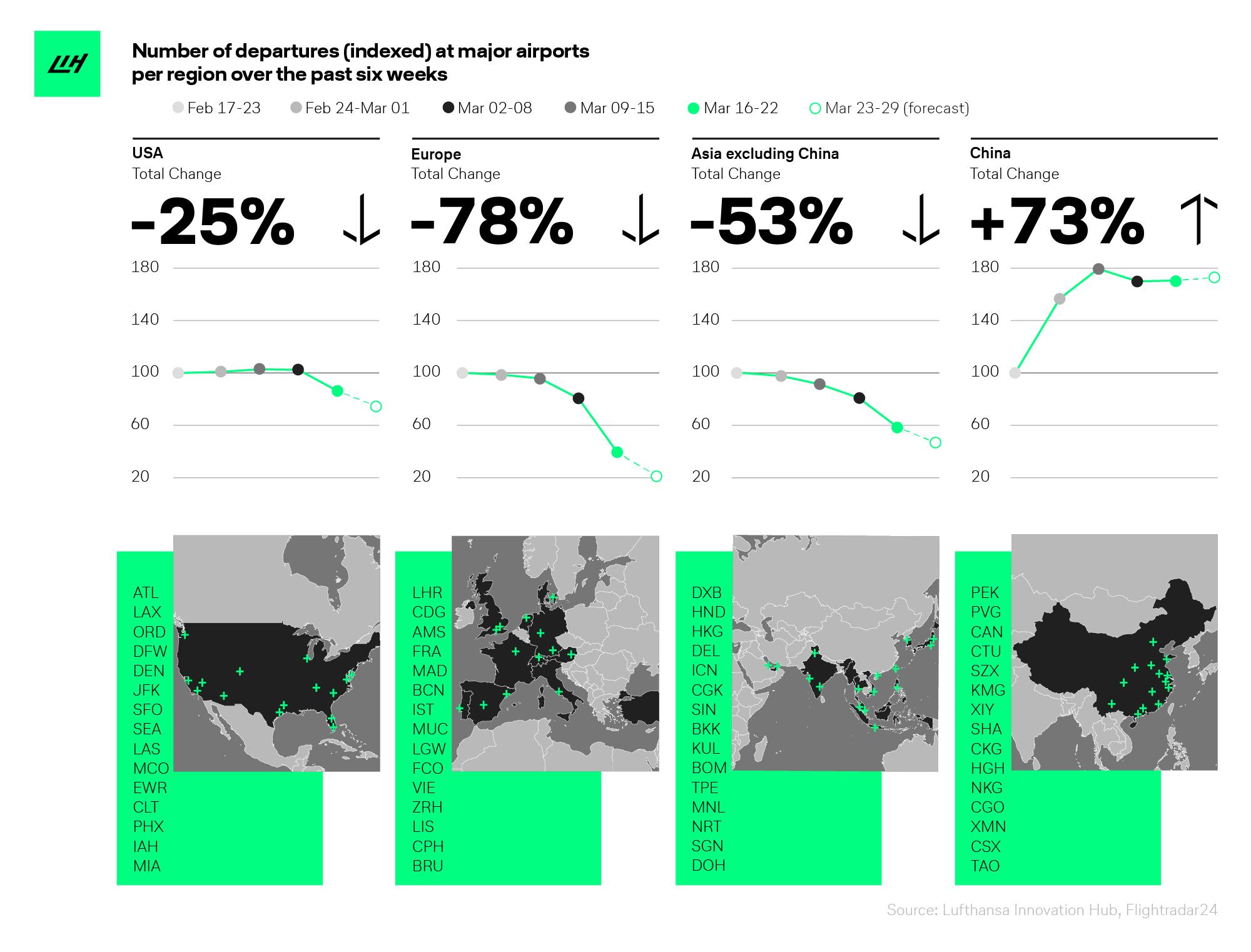
US travel demand continues to lag behind Europe and Asia, according to Booking Holdings’ Chief Financial Officer, highlighting persistent challenges in the recovery of American tourism. Speaking during a recent earnings call, the CFO pointed to a slower rebound in domestic and international travel compared to other major markets, underscoring shifting consumer behaviors and ongoing economic uncertainties. This trend raises critical questions about the pace of recovery for the US travel industry as global competitors regain momentum.
US Travel Demand Trails Europe and Asia Amid Lingering Pandemic Concerns
While global travel markets are showing strong signs of recovery, the United States continues to experience a slower rebound compared to Europe and Asia. Industry experts cite ongoing pandemic concerns and varying regional restrictions as key factors holding back US demand. According to Booking Holdings’ CFO, consumer confidence in domestic and international travel remains cautious, with many travelers opting for flexible booking options and shorter trips. This hesitance contrasts sharply with European and Asian markets, where pent-up demand and eased restrictions have fueled a surge in bookings and international exploration.
Key factors contributing to the US lag include:
- Persistent COVID-19 variant concerns affecting travel sentiment
- Patchwork of state and local regulations causing uncertainty
- Higher travel costs compared to overseas alternatives
- Preference for local destinations over international trips
| Region | Travel Demand Growth Q1 2024 | Average Trip Length (days) |
|---|---|---|
| Europe | +35% | 7.4 |
| Asia | +29% | 8.1 |
| United States | +18% | 5.6 |
Booking CFO Details Economic and Consumer Trends Impacting US Tourism Recovery
Booking’s Chief Financial Officer recently highlighted several economic and consumer factors shaping the pace of tourism recovery in the United States. Inflationary pressures and elevated fuel costs have tightened household budgets, causing American travelers to be more cautious with discretionary spending compared to their European and Asian counterparts. Additionally, shifts in remote work policies and lingering pandemic-related concerns continue to influence travel patterns, with many opting for shorter, domestic trips or delaying vacations altogether.
Key consumer and economic trends impacting US tourism recovery include:
- Rising travel costs: Increased airfare and accommodation prices dampen enthusiasm for long-haul trips.
- Changing traveler preferences: A sustained demand for flexibility and cancellation options reflects ongoing uncertainty.
- Economic disparities: Regional differences in economic recovery affect local tourism resurgence.
| Region | Travel Demand Growth (YoY) | Average Trip Length |
|---|---|---|
| US | +8% | 4.3 days |
| Europe | +15% | 5.7 days |
| Asia | +18% | 6.1 days |
Strategic Recommendations for Boosting US Travel Demand in a Competitive Global Market
To reclaim its position in the global travel market, the US must focus on enhancing the overall travel experience by streamlining visa processes and improving infrastructure at key entry points. Adoption of cutting-edge technology for border control, coupled with targeted marketing campaigns showcasing emerging destinations within the country, can attract a broader range of international visitors. Additionally, partnerships between governmental agencies and private sectors should prioritize sustainable tourism initiatives, which are increasingly influencing traveler preferences worldwide.
Key strategic priorities include:
- Reducing bureaucratic delays and enhancing visa accessibility for high-potential markets
- Investing in regional airports to expand connectivity and ease domestic travel bottlenecks
- Leveraging data analytics to personalize travel experiences and target niche segments
- Expanding multilingual digital platforms to provide comprehensive travel resources
- Encouraging sustainable tourism practices to appeal to environmentally conscious travelers
| Strategy | Expected Impact |
|---|---|
| Visa Process Simplification | +15% Increase in International Visitors |
| Infrastructure Investment | Reduced Transit Delays by 20% |
| Sustainable Tourism Campaigns | Boost in Eco-Tourism Segment |
Wrapping Up
As the global travel market continues to recover, the disparity in demand between the US and other regions such as Europe and Asia highlights ongoing challenges for the American sector. Industry leaders and analysts will be closely monitoring how shifting consumer preferences and economic factors influence future trends. Booking Holdings’ insights underscore the need for targeted strategies to reinvigorate US travel, even as broader international momentum gains pace.