

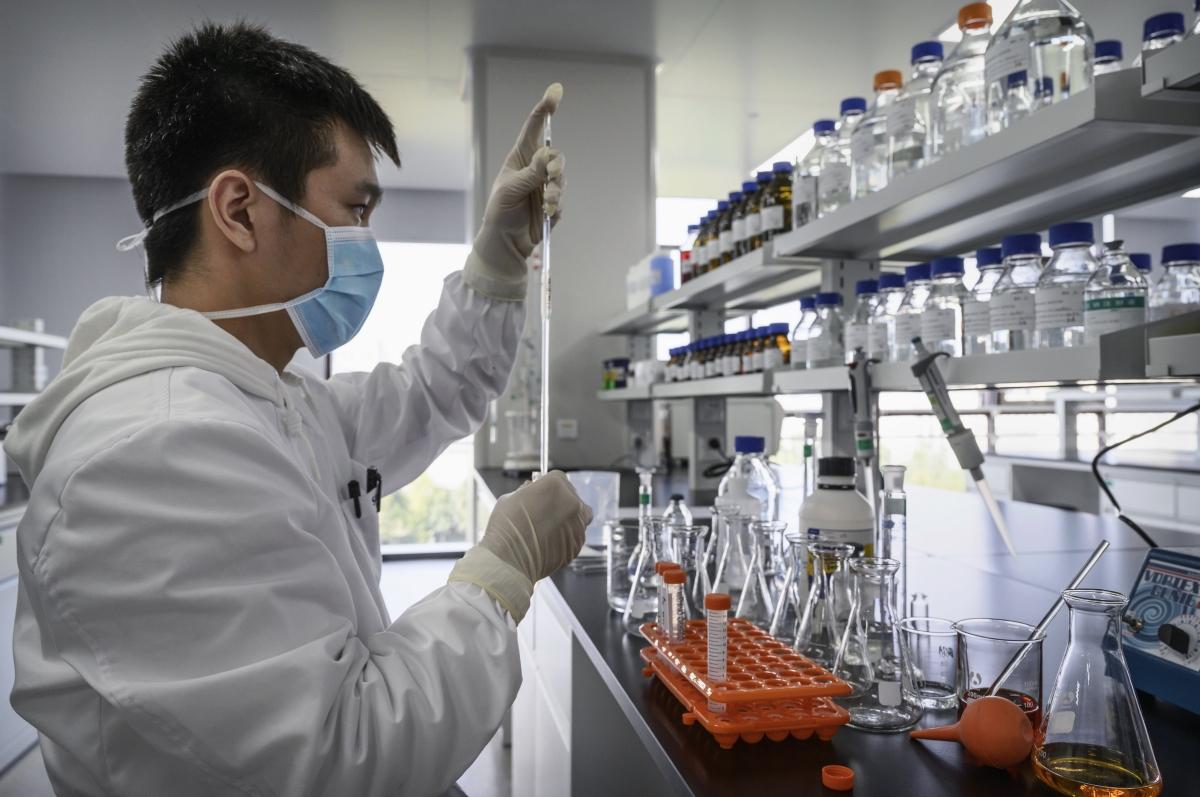
Tensions between the United States and China have far-reaching implications beyond geopolitics, extending deep into the realm of scientific collaboration and innovation. As two of the world’s leading powers in research and technology increasingly find themselves at odds, experts warn that the resulting disruptions could stall progress on critical global challenges. In this report from Asia Society, we explore how strained U.S.-China relations are reshaping the landscape of global science and examine the potential costs to the future of innovation worldwide.
The Impact of U.S.-China Tensions on Scientific Collaboration
Heightened tensions between the U.S. and China have led to a noticeable decline in joint research initiatives, threatening to stall breakthroughs in critical fields such as artificial intelligence, biotechnology, and climate science. As security concerns prompt stricter regulations and funding restrictions on collaborative projects, institutions face obstacles in sharing data, conducting fieldwork, and engaging in academic exchange programs. This fragmentation not only slows innovation but also risks duplicating efforts and raising costs across the global research ecosystem.
Key challenges disrupting global scientific collaboration include:
- Increased visa restrictions limiting researcher mobility
- Heightened scrutiny on technology transfer and intellectual property
- Reduced governmental funding for joint ventures
- Declining trust between scientific communities
| Area of Research | Pre-Tensions | Current Collaboration Level |
|---|---|---|
| Artificial Intelligence | High | Moderate |
| Biotechnology | High | Low |
| Climate Science | Moderate | Reduced |
| Quantum Computing | Low | Minimal |
Navigating Challenges in Technology Sharing and Research Funding
The evolving landscape of technology sharing between the U.S. and China is fraught with complexities that extend beyond simple competition. Restrictions on research funding and collaboration have led to a fragmented global innovation ecosystem, creating barriers that hinder the free flow of knowledge and delay scientific progress. Policymakers face the challenge of balancing national security concerns with the imperative to maintain open channels for cooperative research, particularly in fields like artificial intelligence, biotechnology, and clean energy. As trust diminishes, both countries risk isolating critical scientific communities, which could stunt breakthroughs that rely on diverse expertise and extensive data sharing.
Key challenges contributing to this impasse include:
- Increased scrutiny on joint research projects and funding sources.
- Restrictions on the transfer of advanced technologies and intellectual property.
- Heightened regulatory compliance requirements complicating multinational grants.
- Growing concerns over academic espionage and the misuse of scientific contributions.
| Impact Area | U.S. | China |
|---|---|---|
| Research Funding | Increased oversight, cautious grant awarding | Restricted access to international funds |
| Tech Sharing | Selective collaboration, emphasis on security | Promotion of indigenous innovation, limited openness |
| Academic Mobility | Stricter visa policies for researchers | Encouragement of homegrown talent retention |
Strategies for Sustaining Global Innovation Amid Geopolitical Rivalry
To ensure that innovation continues to thrive despite escalating geopolitical tensions, stakeholders must embrace a multifaceted approach. Cross-border collaboration initiatives can be designed with enhanced transparency protocols, allowing for knowledge sharing while addressing national security concerns. Governments and private sectors alike are urged to invest in joint research frameworks that focus on universal challenges like climate change, public health, and energy sustainability-domains where cooperation yields mutual benefits that transcend rivalry.
Furthermore, fostering diverse innovation ecosystems is critical. Encouraging talent mobility through visa reforms, promoting open-access scientific platforms, and safeguarding intellectual property rights create an environment where creativity can flourish independently of political fluctuations. The table below highlights some strategic levers that could balance innovation continuity with national interests:
| Strategy | Purpose | Impact |
|---|---|---|
| Multilateral Research Funds | Shared financing of key projects | Reduces duplication, fosters trust |
| Innovation Hotspots | Localized centers for global talent | Promotes inclusivity, accelerates breakthroughs |
| Transparent Data Sharing | Open platforms with security layers | Balances openness with protection |
- Encouraging private-public partnerships to mitigate political risks.
- Implementing ethical standards to maintain scientific integrity across borders.
- Leveraging digital diplomacy for continuous dialogue and conflict resolution.
Final Thoughts
As U.S.-China relations continue to evolve amid geopolitical tensions, the stakes for global scientific collaboration have never been higher. The potential cost to innovation-measured in lost opportunities, slowed progress, and fragmented knowledge networks-poses a pressing challenge not only for these two nations but for the international community at large. Navigating this complex landscape will require deliberate policy choices that balance national security concerns with the imperative to sustain open, cross-border scientific exchange. The future of innovation depends on finding common ground where cooperation can thrive despite broader political divides.